WAR IS OBSOLETE
Obsolete Thinking
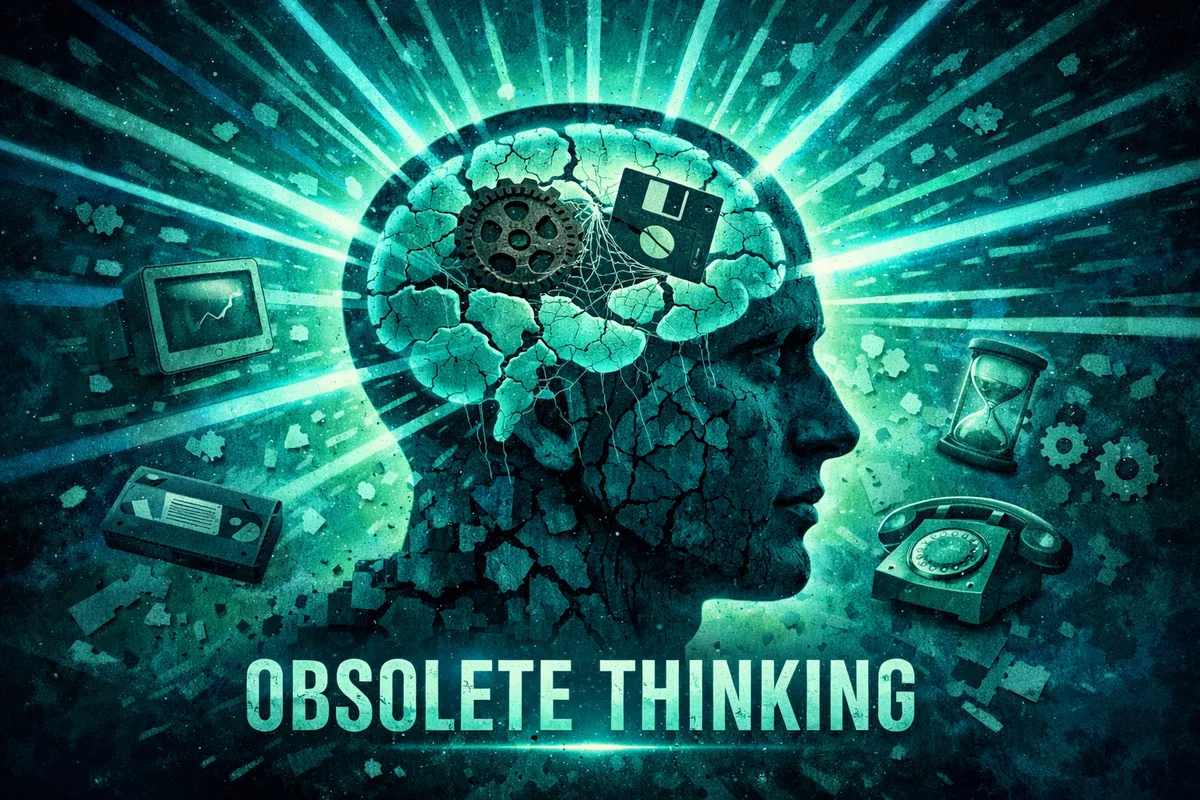
“Obsolete” means something has been replaced by something newer that does the same job better—more efficiently, cheaply, conveniently, safely, or at a larger scale. When a thing becomes obsolete, it doesn’t always disappear overnight. You can still find the older version in museums, rural areas, niche hobbies, legacy industries, or among people who simply prefer it. But culturally and economically, the “center of gravity” shifts to the newer solution, and the old one becomes unnecessary for most people.
Obsolescence is not just about technology. It’s about efficiency and fit. A tool, method, or habit becomes obsolete when a better system makes the old approach less useful. Sometimes the “new thing” is a device (cell phones replacing phone booths). Sometimes it’s a service (streaming replacing video rentals). Sometimes it’s a social advancement: a new way of thinking that makes old behavior less necessary.
That’s why people sometimes say “war is obsolete.” The idea isn’t that conflict has vanished, but that war is an outdated method for solving human problems. The more capable we become at building strong relationships—across families, communities, businesses, and nations—the less we need violence as a problem-solving tool. Relationship builds trust, communication, empathy, trade, interdependence, and shared identity. Those forces don’t guarantee peace, but they reduce the “need” for war by offering better ways to resolve disputes and pursue security. In that sense, relationship is the “new technology” that can make war increasingly obsolete: it doesn’t erase human differences, it replaces destructive methods with constructive ones.
Below are 20 examples of obsolete (or largely obsolete) things, paired with what made them obsolete—plus a brief note on why.
1) Phone booths → Cell phones
Cell phones made public payphones unnecessary by putting calling capability in your pocket.
2) Horse-and-buggy → Automobiles
Cars travel faster, farther, with less daily maintenance and greater carrying capacity.
3) Ice boxes → Refrigerators/freezers
Mechanical refrigeration keeps food safely cold without the daily logistics of buying and storing ice.
4) Film cameras (for most people) → Smartphone cameras/digital cameras
Digital photos are instant, inexpensive per shot, easy to edit, and effortless to share.
5) VHS tapes → Streaming video
Streaming eliminates physical storage, rewinding, tape wear, and limited selection.
6) Video rental stores → On-demand streaming libraries
Convenience, selection, and instant access replaced the need to drive to a store.
7) CDs (mass-market) → Music streaming
Streaming offers vast catalogs without purchasing and storing individual discs.
8) Cassette tapes → Digital audio/streaming
Digital audio is more durable, searchable, and doesn’t degrade with repeated use.
9) Paper maps (for everyday navigation) → GPS navigation apps
GPS updates in real time, reroutes automatically, and can account for traffic and road closures.
10) Encyclopedias in print → Online knowledge databases/search engines
Online sources update faster, link to primary sources, and are searchable in seconds.
11) Fax machines (in many settings) → Email + e-signatures + secure portals
Digital documents are faster, clearer, easier to store, and easier to audit and retrieve.
12) Carbon paper duplicates → Photocopiers/scanners/digital copies
Modern duplication is cleaner, more accurate, and integrates with digital workflows.
13) Typewriters (most offices) → Computers with word processing
Editing, saving, copying, and formatting became dramatically easier and faster.
14) Wired-only home phones → Mobile phones/VoIP
Mobility and cheaper internet-based calling reduced the need for a dedicated landline.
15) Dial-up internet → Broadband/fiber/mobile data
Always-on high-speed connections support modern media, work, and cloud services.
16) CRT televisions → Flat-panel LED/OLED displays
Flatscreens use less space and power, offer higher resolution, and are easier to mount and move.
17) Incandescent light bulbs (in many countries) → LEDs
LEDs last far longer and use far less electricity for the same brightness.
18) Physical airline tickets → Digital tickets/boarding passes
Digital passes reduce printing, speed up check-in, and are harder to lose.
19) Cash-only transactions (in many contexts) → Cards + mobile payments
Electronic payments are faster, trackable, and work well for online commerce.
20) Traditional “classified ads” in newspapers → Online marketplaces and social platforms
Online listings are searchable, photo-based, location-filtered, and updated continuously.
Obsolete Thinking: Questions and Answers
Q1. What does the term "obsolete" actually mean in the context of war, and how can understanding this concept change our view on conflict? I often hear people say that war is becoming outdated, but I'm curious about the precise definition of "obsolete" in this scenario.
The term "obsolete" refers to something that is no longer in use or has fallen out of favor due to advancements or changes in circumstances. In the context of war, it signifies strategies, technologies, or methods of conflict that are deemed ineffective or irrelevant in the modern landscape of warfare. For instance, traditional forms of warfare might be viewed as obsolete due to the rise of cyber warfare, drone technology, and asymmetric tactics employed by non-state actors.
Understanding the concept of obsolescence in war can significantly shift our perspective on conflict. It highlights the need for adaptation and innovation in military strategy, as outdated methods may lead to failure in achieving objectives. Furthermore, it prompts discussions about the future of warfare, suggesting that as societies evolve, so too must their approaches to conflict resolution. Recognizing what is obsolete can also foster a more nuanced understanding of contemporary threats, such as terrorism or cyber attacks, which may not fit traditional definitions of war but are nonetheless impactful. This awareness encourages a reevaluation of how resources are allocated and how nations prepare for conflicts in an ever-changing global landscape.
────────────────────
Q2. How do I foster meaningful relationships that can help make war feel unnecessary in today's world? I'm interested in practical steps I can take to build connections that promote peace rather than conflict.
Fostering meaningful relationships that promote peace involves intentional actions and a commitment to understanding and empathy. Here are practical steps you can take:
1. Engage in Active Listening: Practice truly listening to others, especially those with different perspectives. This helps build trust and understanding.
2. Seek Common Ground: Focus on shared values and interests rather than differences. Finding commonality can bridge divides.
3. Participate in Community Activities: Join local groups or organizations that promote dialogue, cultural exchange, or community service. This helps you connect with diverse individuals.
4. Educate Yourself and Others: Learn about different cultures, histories, and conflicts. Share this knowledge to foster understanding and challenge stereotypes.
5. Practice Empathy: Try to see situations from others' perspectives. Understanding their experiences can help diffuse tensions and create compassion.
6. Encourage Open Dialogue: Create safe spaces for discussions about difficult topics. Invite others to share their views and experiences without judgment.
7. Volunteer for Peace Initiatives: Engage with organizations focused on conflict resolution, humanitarian aid, or peacebuilding. Contributing to these efforts can deepen your connections with like-minded individuals.
8. Model Peaceful Behavior: Demonstrate conflict resolution and peaceful communication in your interactions. Your actions can inspire others.
9. Build Diverse Networks: Make an effort to connect with people from different backgrounds, cultures, and ideologies. Diversity enriches understanding and collaboration.
10. Promote Acts of Kindness: Small gestures of kindness can significantly impact relationships and create a culture of respect and goodwill.
By implementing these steps, you can cultivate relationships that prioritize empathy, understanding, and collaboration, contributing to a more peaceful world.
────────────────────
Q3. What are the key differences between traditional warfare and modern conflict resolution methods? I wonder how these two approaches compare when it comes to achieving lasting peace in society.
Traditional warfare and modern conflict resolution methods differ significantly in their approach, objectives, and outcomes regarding achieving lasting peace.
Key Differences:
1. Nature of Engagement:
- Traditional Warfare: Involves direct military confrontation, often characterized by battles, territorial gains, and the use of force. It seeks to defeat the enemy through strength.
- Modern Conflict Resolution: Focuses on dialogue, negotiation, and mediation to resolve disputes without violence. It emphasizes understanding underlying issues and achieving consensus.
2. Goals:
- Traditional Warfare: The primary aim is victory over an adversary, often leading to power shifts and control over resources or territory.
- Modern Conflict Resolution: Aims for sustainable solutions that address root causes of conflict, promoting cooperation and coexistence among conflicting parties.
3. Strategies:
- Traditional Warfare: Utilizes military strategies, logistics, and combat tactics to achieve objectives, often resulting in significant casualties and destruction.
- Modern Conflict Resolution: Employs diplomatic strategies, such as peace treaties, restorative justice, and community engagement, focusing on building relationships and trust.
4. Outcome:
- Traditional Warfare: May result in temporary peace, but often leaves unresolved grievances and can lead to future conflicts.
- Modern Conflict Resolution: Seeks to establish lasting peace by fostering dialogue, addressing injustices, and ensuring all parties feel heard and respected.
5. Involvement of Parties:
- Traditional Warfare: Primarily involves state actors and militaries, often sidelining civilian perspectives.
- Modern Conflict Resolution: Encourages participation from a wide range of stakeholders, including affected communities, NGOs, and international organizations.
Achieving Lasting Peace:
- Effectiveness: Modern conflict resolution methods are generally more effective in achieving lasting peace because they address the complexities of human relationships and societal structures. By prioritizing dialogue and understanding, these methods can heal divisions and prevent future conflicts.
- Sustainability: Lasting peace is more likely when conflicts are resolved collaboratively, ensuring that all parties have a stake in the outcome, unlike traditional warfare, which can leave deep-rooted animosities unaddressed.
In summary, while traditional warfare seeks to impose peace through force, modern conflict resolution aims to cultivate peace through understanding and cooperation, making the latter a more promising approach for achieving enduring stability in society.
────────────────────
Q4. Why do some people still believe that war is necessary, even when many argue it is obsolete? I'm trying to understand the reasons behind this mindset and why it might not be working for a more peaceful future.
The belief that war is necessary persists for several reasons:
1. Historical Context: Many people view history through the lens of conflict, seeing war as a means to achieve political goals, defend against threats, or assert national identity. Historical examples of wars leading to significant changes can reinforce this mindset.
2. National Defense: Some argue that war is essential for national security. They believe that military strength deters aggression from adversaries and protects a nation’s interests.
3. Human Nature: There is a belief that conflict is an inherent part of human nature, suggesting that competition, aggression, and power struggles are unavoidable, leading some to think war is a necessary outlet for these instincts.
4. Economic Interests: The military-industrial complex can influence opinions on war. Economic interests tied to defense spending and arms manufacturing may lead some to advocate for military action as a way to stimulate the economy.
5. Political Ideologies: Certain ideologies promote the idea that war can lead to liberation or justice, such as revolutionary movements that see armed struggle as a means of achieving social change.
6. Crisis Response: In times of crisis, some people may view war as a quick solution to complex problems, believing that military intervention can resolve issues where diplomacy has failed.
7. Fear of Inaction: There is often a fear that not responding militarily to threats could lead to worse outcomes. This can create a mindset where war is seen as the only viable option.
Despite these beliefs, many argue that war is becoming obsolete due to the potential for global interconnectedness, the effectiveness of diplomacy, and the devastating consequences of modern warfare. The challenge lies in shifting perspectives toward peaceful conflict resolution and fostering a culture that prioritizes dialogue and cooperation over violence.
────────────────────
Q5. What is the best way to promote the idea that relationships can replace war as a means of resolving conflicts? I'm looking for effective strategies to share this perspective with others who may be skeptical.
Promoting the idea that relationships can replace war as a means of resolving conflicts involves a combination of education, storytelling, and community engagement. Here are some effective strategies:
1. Use Personal Stories: Share compelling narratives of individuals or communities that have successfully resolved conflicts through dialogue and relationship-building. Real-life examples can resonate more than abstract concepts.
2. Educational Campaigns: Create workshops, seminars, or online courses focused on conflict resolution, emphasizing the importance of empathy, communication, and understanding in relationships. Highlight successful case studies from history.
3. Engage in Dialogue: Facilitate discussions and forums that encourage open communication between people with differing viewpoints. This can help build understanding and trust among participants.
4. Leverage Social Media: Use platforms like Facebook, Twitter, and Instagram to share quotes, videos, and articles that highlight the benefits of relationships over conflict. Create hashtags to promote these messages and engage followers.
5. Collaborate with Influencers: Partner with thought leaders, activists, or organizations that advocate for peace and conflict resolution. Their endorsement can lend credibility to your message and broaden its reach.
6. Promote Community Initiatives: Encourage local projects that foster relationships, such as community service, cultural exchanges, or conflict resolution training. Highlight the positive outcomes of these initiatives.
7. Highlight the Costs of War: Educate others on the social, economic, and emotional costs of war. Contrast these with the benefits of peaceful conflict resolution and strong relationships.
8. Create Visual Content: Develop infographics, videos, or podcasts that illustrate the effectiveness of relationships in resolving conflicts. Visual content can be more engaging and shareable.
9. Encourage Critical Thinking: Challenge skeptics to consider the long-term impacts of war versus the benefits of peace. Encourage them to explore alternative perspectives through reading and discussions.
10. Be Patient and Persistent: Changing mindsets takes time. Keep the conversation going, be open to questions, and provide ongoing support to those willing to explore this perspective.
By employing these strategies, you can effectively promote the idea that relationships can serve as a powerful alternative to war in resolving conflicts.
────────────────────
Q6. What is the precise definition of "obsolete" in the context of societal structures, and how does that terminology apply to the concept of war? In what ways can understanding this definition reshape our perspectives on conflict resolution?
The term "obsolete," in the context of societal structures, refers to systems, practices, or ideas that are no longer effective, relevant, or useful due to changes in society, technology, or values. When applied to the concept of war, it suggests that traditional methods of conflict—such as armed confrontation and military aggression—may no longer effectively address the complexities of modern disputes, particularly in a globalized world characterized by interconnected economies, social media influence, and shifting power dynamics.
Understanding "obsolete" in this context can reshape our perspectives on conflict resolution in several ways:
1. Emphasis on Diplomacy: Recognizing that conventional warfare is becoming less viable encourages a focus on diplomatic solutions, negotiations, and dialogue as primary tools for resolving disputes.
2. Adaptation to New Realities: Acknowledging the obsolescence of certain war strategies prompts societies to adapt to new forms of conflict, such as cyber warfare or economic sanctions, which require different approaches to resolution.
3. Promoting Peaceful Alternatives: The idea that war is outdated can inspire investment in alternative conflict resolution methods, such as mediation, reconciliation processes, and community-building initiatives, leading to more sustainable outcomes.
4. Holistic Approach: It encourages a comprehensive understanding of conflicts, considering underlying social, economic, and political factors rather than merely focusing on military solutions.
In summary, viewing traditional warfare as "obsolete" challenges us to rethink how we engage with and resolve conflicts, prioritizing innovative and peaceful methods over outdated practices.
────────────────────
Q7. How do I effectively communicate the idea that war is obsolete to audiences entrenched in traditional views of international relations? What strategies can I employ to foster dialogue around alternative conflict resolution methods?
Effectively communicating the idea that war is obsolete, especially to audiences with traditional views of international relations, requires a thoughtful approach. Here are some strategies you can employ:
1. Use Data and Historical Context: Present empirical evidence showing the declining frequency of wars and the increasing success of diplomatic resolutions. Highlight historical cases where non-violent methods led to lasting peace.
2. Frame the Discussion: Shift the narrative from war as a solution to conflict resolution through cooperation, negotiation, and diplomacy. Use terms like “collaborative security” and “mutual interests” to reframe the discussion.
3. Appeal to Shared Values: Connect with the audience’s values, such as security, prosperity, and human rights. Emphasize how alternative conflict resolution methods can better achieve these goals compared to war.
4. Showcase Successful Alternatives: Provide examples of successful non-violent movements (e.g., Gandhi, Martin Luther King Jr.) and contemporary diplomatic resolutions. Highlight organizations and initiatives that focus on peacebuilding and conflict transformation.
5. Encourage Critical Thinking: Ask open-ended questions that challenge traditional views, prompting audiences to consider the limitations and consequences of war. Facilitate discussions that explore the impacts of war on societies and economies.
6. Utilize Storytelling: Share compelling narratives and personal stories of individuals and communities affected by war versus those who have benefited from peace processes. This can humanize the issue and create emotional resonance.
7. Engage with Counterarguments: Acknowledge and address the concerns of traditionalists regarding security and sovereignty. Present non-violent approaches as viable solutions that can enhance stability and address underlying issues.
8. Create Inclusive Platforms for Dialogue: Organize workshops, forums, or online discussions that bring together diverse perspectives. Encourage respectful dialogue where participants can express their views and learn from others.
9. Leverage Media and Technology: Use social media, podcasts, and videos to spread your message. Engaging content can reach broader audiences and facilitate discussions in a more relatable format.
10. Build Alliances: Collaborate with peace organizations, academics, and influencers who share your vision. Joint efforts can amplify your message and lend credibility to alternative conflict resolution methods.
By employing these strategies, you can foster meaningful dialogue around the obsolescence of war and the potential of alternative conflict resolution methods.
────────────────────
Q8. In what ways does the relationship between nations differ from historical paradigms of warfare, and how can this shift inform contemporary geopolitical strategies? Can we draw parallels between the evolution of diplomacy and the decline of armed conflict?
The relationship between nations today differs significantly from historical paradigms of warfare in several key ways:
1. Diplomatic Engagement: Modern nations often prioritize diplomacy over military conflict. This is evident in the rise of international organizations (like the UN and WTO) that facilitate dialogue and cooperation, reducing the likelihood of war.
2. Economic Interdependence: Globalization has created intricate economic ties between countries. Nations are less inclined to engage in armed conflict that could jeopardize trade relationships and economic stability, a stark contrast to historical warfare where economies could be devastated.
3. Soft Power: Countries increasingly use soft power—cultural influence, political values, and diplomacy—to achieve their goals rather than relying solely on military might. This approach can lead to more sustainable and peaceful outcomes.
4. Cyber Warfare and Information Conflict: Unlike earlier forms of warfare, contemporary conflicts often take place in cyberspace. Nations now engage in information warfare, propaganda, and cyber attacks, which can destabilize without traditional military engagement.
The shift towards diplomacy and cooperation informs contemporary geopolitical strategies by emphasizing the importance of building alliances, fostering economic partnerships, and addressing global challenges like climate change and terrorism collaboratively.
There are parallels between the evolution of diplomacy and the decline of armed conflict. As nations have learned to navigate complex interdependencies, the focus has shifted from military solutions to negotiations and conflict resolution. This evolution suggests that fostering understanding and cooperation can lead to more peaceful international relations, ultimately reducing the incidence of armed conflict.
In summary, the contemporary geopolitical landscape values diplomacy and economic ties, reflecting a shift from historical warfare paradigms, which can guide future strategies for managing international relations.
────────────────────
Q9. Why is the notion that war is obsolete not gaining traction among policymakers and defense strategists? What underlying beliefs or assumptions might be obstructing a broader acceptance of this idea?
The notion that war is obsolete is not gaining traction among policymakers and defense strategists for several reasons:
1. Historical Precedent: History shows that conflicts often arise from competition over resources, ideology, and power. Many believe that these fundamental drivers of war are still present in international relations.
2. Realism in International Relations: Many policymakers adhere to realist theories, which emphasize the anarchic nature of the international system where states act primarily in their self-interest. This perspective often views war as an inevitable outcome of competing national interests.
3. Security Dilemmas: The idea that one nation’s efforts to enhance its security can inadvertently threaten others leads to arms races and conflict. This cycle suggests that war remains a plausible and sometimes necessary tool for national defense.
4. Non-State Actors: The rise of terrorism and non-state actors complicates the notion of obsolescence. These groups often engage in violent conflict, challenging the idea that traditional warfare is fading.
5. Technological Advancements: Advances in military technology, including cyber warfare and drones, have changed the nature of conflict but have not eliminated the potential for war. Instead, they can create new forms of confrontation.
6. Cultural and Political Factors: Nationalism, historical grievances, and cultural identities can fuel conflicts. These deep-seated issues often resist resolution through diplomacy, making war a persistent possibility.
7. Economic Considerations: The defense industry plays a significant role in many economies, creating vested interests that may resist the idea of reducing military engagements.
In summary, entrenched beliefs about human nature, national interests, and historical patterns of conflict contribute to the reluctance among policymakers and defense strategists to accept the idea that war is becoming obsolete.
────────────────────
Q10. What is the best way to leverage emerging technologies and social platforms to advocate for the obsolescence of war through relational frameworks? How can we create compelling narratives that resonate with both experts and the general public on this issue?
To effectively leverage emerging technologies and social platforms for advocating the obsolescence of war through relational frameworks, consider the following strategies:
1. Utilize Storytelling: Craft compelling narratives that humanize the impacts of war. Use personal stories, testimonials, and case studies to connect emotionally with both experts and the general public. Highlight positive outcomes from peaceful initiatives.
2. Engage with Visual Media: Create impactful videos, infographics, and animations that illustrate the benefits of peaceful conflict resolution. Platforms like TikTok, Instagram, and YouTube are effective for visual storytelling and can reach a broad audience.
3. Utilize Social Media Campaigns: Design targeted campaigns using hashtags and challenges that encourage sharing personal stories or insights on non-violent conflict resolution. Engage influencers to amplify your message, ensuring it reaches diverse audiences.
4. Leverage Data and Research: Present research and statistics in an accessible way to build credibility. Use platforms like Medium and LinkedIn to share articles that discuss the economic, social, and psychological costs of war compared to peaceful alternatives.
5. Foster Online Communities: Create forums or groups on platforms like Facebook or Discord where people can discuss and collaborate on peaceful solutions. Encourage dialogue between experts and the public to demystify complex issues.
6. Interactive Technologies: Utilize virtual reality (VR) or augmented reality (AR) experiences to immerse users in scenarios that illustrate the consequences of war versus peace. This can create a deeper understanding and empathy.
7. Collaborate with NGOs and Think Tanks: Partner with organizations focused on peacebuilding to co-create content and events, lending authority to your advocacy efforts and expanding your reach.
8. Host Virtual Events: Organize webinars, live discussions, or panel talks with experts to educate and engage audiences. Use platforms like Zoom, Facebook Live, or Clubhouse to facilitate real-time engagement.
9. Encourage Action: Provide clear calls to action, such as signing petitions, participating in peaceful demonstrations, or engaging in community-building activities that promote peace.
By integrating these strategies, you can create a strong, relatable advocacy movement that resonates with both experts and the general public, encouraging a shift towards the obsolescence of war.
────────────────────
Q11. What does the word "obsolete" really mean in the context of modern society? Can we consider tools of war and conflict as obsolete when we think about our interconnected relationships?
The word "obsolete" refers to something that is no longer in use or has fallen out of relevance, often due to advancements in technology or changes in society. In the context of modern society, particularly regarding tools of war and conflict, "obsolete" can mean that certain weapons or strategies are considered outdated compared to newer, more effective methods.
However, when we consider our interconnected relationships in a globalized world, the concept of obsolescence becomes more complex. While some traditional tools of war, like certain types of weaponry or tactics, may seem outdated, the underlying issues that lead to conflict—such as political, economic, and social tensions—remain relevant. Additionally, modern warfare has evolved to include cyber warfare and asymmetric tactics, indicating that the tools of conflict are continuously changing rather than becoming completely obsolete.
In summary, while some traditional instruments of war may seem obsolete in the face of modern interconnectedness, the context of conflict itself is ever-evolving, making it difficult to declare any aspect of warfare truly obsolete.
────────────────────
Q12. How do I foster stronger relationships within my community to help make the idea of war seem irrelevant? What practical steps can I take to encourage dialogue and understanding among diverse groups?
Fostering stronger relationships within your community to make the idea of war seem irrelevant involves building trust, understanding, and collaboration among diverse groups. Here are some practical steps you can take:
1. Host Community Events: Organize gatherings such as potlucks, cultural festivals, or discussion forums that encourage people from different backgrounds to come together, share their traditions, and learn from one another.
2. Facilitate Dialogue: Create safe spaces for open conversations about sensitive topics, including conflict resolution and peace-building. Use trained facilitators to guide these discussions, ensuring all voices are heard.
3. Volunteer Together: Engage in community service projects that benefit the local area. Working side by side on common goals can foster bonds and break down barriers.
4. Establish Interest Groups: Form clubs or interest groups focused on shared activities (e.g., arts, sports, or environmental issues) that draw participants from various backgrounds, promoting teamwork and understanding.
5. Promote Education and Awareness: Organize workshops, lectures, or film screenings that focus on peace, conflict resolution, and the impact of war. This can help raise awareness and spark important conversations.
6. Encourage Storytelling: Create platforms, such as storytelling nights or blogs, where community members can share personal experiences, especially those related to conflict and peace, fostering empathy and connection.
7. Build Partnerships: Collaborate with local organizations, schools, and faith groups to create programs that promote diversity, inclusion, and understanding among community members.
8. Advocate for Inclusivity: Support policies and initiatives that promote inclusivity and representation in community decision-making processes, ensuring that diverse voices are part of the conversation.
9. Use Social Media Wisely: Leverage social media to highlight positive community stories, promote events, and encourage dialogue among different groups, fostering a sense of connection online.
10. Lead by Example: Model respectful communication and open-mindedness in your interactions. Demonstrating empathy and understanding can inspire others to do the same.
By taking these steps, you can effectively contribute to a culture of peace and understanding in your community, making the concept of war seem increasingly distant and irrelevant.
────────────────────
Q13. What is the difference between conflict resolution and war in terms of their impact on Indigenous communities? How can recognizing this difference aid in our efforts to promote peace and harmony?
Conflict resolution and war have significantly different impacts on Indigenous communities.
Conflict Resolution refers to peaceful approaches aimed at addressing disputes through dialogue, negotiation, and compromise. This method often fosters understanding, respects cultural values, and involves the community in decision-making processes. Positive impacts on Indigenous communities may include strengthened relationships, preservation of cultural identity, and empowerment through collaborative solutions.
War, on the other hand, leads to violence, displacement, and the destruction of communities and cultures. For Indigenous peoples, this can result in loss of land, resources, and autonomy, exacerbating existing traumas and socio-economic disparities. War often disregards Indigenous rights and voices, leading to further marginalization.
Recognizing the difference between these two approaches is crucial in promoting peace and harmony. By prioritizing conflict resolution, we can create frameworks that respect Indigenous rights and foster inclusive dialogue. This not only aids in healing historical wounds but also encourages sustainable relationships between Indigenous and non-Indigenous communities, ultimately promoting a more equitable and peaceful society.
────────────────────
Q14. Why is the notion that war is necessary for resolving disputes not working in today’s world? What evidence do we have that strong community relationships can effectively replace war as a means of conflict resolution?
The notion that war is necessary for resolving disputes is increasingly seen as ineffective in today’s world for several reasons:
1. Destructive Consequences: Modern warfare often leads to massive loss of life, long-term psychological trauma, and destruction of infrastructure. The repercussions extend beyond the battlefield, affecting civilians and future generations.
2. Global Interdependence: In an interconnected world, nations rely on each other for trade, security, and environmental sustainability. Conflicts can disrupt these relationships, leading to economic instability and broader crises.
3. International Law and Institutions: Organizations like the United Nations promote peaceful conflict resolution through diplomacy and negotiation, offering frameworks that discourage war and encourage dialogue.
4. Public Sentiment: There is a growing global sentiment against war, driven by awareness of its human costs. Many societies prioritize peacebuilding and conflict resolution through non-violent means.
Evidence that strong community relationships can effectively replace war includes:
- Community Mediation: Programs that focus on mediation and dialogue have successfully resolved disputes in various contexts, from neighborhoods to international relations. For example, community mediation centers have been effective in reducing violence and fostering understanding among conflicting parties.
- Restorative Justice: This approach focuses on repairing harm through cooperative processes, emphasizing reconciliation over punitive measures. It has shown success in reducing recidivism and fostering community ties.
- Peacebuilding Initiatives: Many grassroots organizations around the world work to build relationships and trust among different community groups. These initiatives often lead to sustainable peace and conflict resolution without resorting to violence.
- Case Studies: Countries like South Africa have demonstrated how dialogue and negotiation can lead to peaceful transitions and the resolution of deep-seated conflicts, showcasing the effectiveness of community engagement over warfare.
In summary, the shift towards non-violent conflict resolution reflects a broader understanding of the complexities of modern disputes and the value of strong community relationships.
────────────────────
Q15. What is the best way to educate others about the idea that war is becoming obsolete due to the strength of relationships? How can we use storytelling and cultural teachings to convey this message effectively?
Educating others about the idea that war is becoming obsolete due to the strength of relationships can be effectively achieved through a combination of storytelling and cultural teachings. Here are some strategies to convey this message:
1. Personal Stories: Share real-life stories of individuals and communities that have resolved conflicts through dialogue and cooperation rather than violence. Highlight examples where relationships have replaced the need for war, such as peace treaties and grassroots movements.
2. Historical Context: Provide historical narratives that illustrate how relationships and diplomacy have successfully resolved conflicts in the past. This can include case studies of countries that transitioned from war to peace through collaboration.
3. Cultural Teachings: Utilize cultural narratives and teachings that emphasize the importance of community, empathy, and conflict resolution. Many cultures have proverbs or stories that highlight the value of peace and understanding, which can resonate with diverse audiences.
4. Visual Storytelling: Create compelling visual content, such as documentaries, infographics, or animations, that depict the positive outcomes of peaceful relationships versus the devastation of war. Engaging visuals can capture attention and enhance understanding.
5. Interactive Workshops: Organize workshops or discussions that encourage participants to share their own experiences with conflict resolution and relationship-building. This participatory approach fosters deeper understanding and personal investment in the message.
6. Social Media Campaigns: Leverage social media platforms to share short stories, quotes, and videos that promote the idea of peace through relationships. Use hashtags to create a movement and encourage sharing.
7. Collaborative Projects: Engage communities in projects that promote collaboration, such as community service or cultural exchanges. These activities can serve as practical demonstrations of how relationships can lead to positive change.
By combining these approaches, the message that war is becoming obsolete due to the strength of relationships can be communicated effectively, fostering a culture of peace and understanding.
────────────────────
Q16. What does the term "obsolete" encompass in the context of war, and how can understanding this concept reshape our views on conflict? Can we redefine our understanding of "obsolete" to apply to not just weapons, but also the mindset that perpetuates violence?
The term "obsolete" in the context of war typically refers to weapons, strategies, or technologies that are no longer effective or relevant due to advancements or changes in warfare. For instance, certain types of armaments may become outdated as new technologies emerge, rendering them less effective on the battlefield.
Understanding obsolescence in war can reshape our views on conflict by highlighting that warfare is not static; it evolves with societal values, technological advancements, and international norms. This perspective encourages us to rethink traditional notions of military power and the relevance of historical conflicts, prompting discussions about the need for innovation in peacekeeping and conflict resolution.
Furthermore, redefining "obsolete" to include mindsets that perpetuate violence can be transformative. Just as outdated weapons can be replaced by more effective means, harmful ideologies that promote conflict can be challenged and changed. By recognizing the obsolescence of violence as a solution, we can foster a culture that prioritizes dialogue, diplomacy, and understanding over aggression.
In essence, acknowledging both the physical and psychological aspects of obsolescence can lead to more effective approaches to conflict resolution, encouraging societies to seek peaceful alternatives and adapt to a world where cooperation and understanding are valued over warfare.
────────────────────
Q17. How do I foster meaningful relationships that can contribute to making war obsolete, especially in communities that are environmentally focused? What are some practical steps I can take to build connections that prioritize peace and environmental sustainability?
Fostering meaningful relationships that contribute to making war obsolete, particularly in environmentally focused communities, involves intentional efforts to build trust, collaboration, and shared values. Here are some practical steps you can take:
1. Engage Locally: Participate in local environmental initiatives, such as community gardens, clean-up events, or tree-planting projects. This creates opportunities to meet like-minded individuals passionate about sustainability.
2. Host Workshops and Discussions: Organize or attend workshops that focus on peacebuilding and environmental issues. Encourage dialogue about the intersection of sustainability and conflict resolution.
3. Volunteer for Environmental Organizations: Join or support NGOs that focus on peace and environmental advocacy. Volunteering allows you to connect with others who share your vision and values.
4. Create a Community Network: Establish a group or a forum for people interested in peace and the environment. Use social media or local bulletin boards to connect with others and share resources.
5. Practice Active Listening: Build relationships by genuinely listening to others’ perspectives, especially those from different backgrounds. This fosters empathy and understanding, reducing conflicts.
6. Promote Education and Awareness: Share information about environmental issues and their links to peace. Organize events that educate the community about the impact of environmental degradation on conflict.
7. Collaborate on Projects: Work with others to create sustainable solutions that address both environmental and social challenges. Joint projects can strengthen bonds and foster a sense of shared purpose.
8. Advocate for Policy Change: Engage in advocacy for policies that promote environmental justice and peace. Collaborating with others on campaigns can build solidarity and strengthen community ties.
9. Encourage Inclusivity: Ensure that your initiatives are inclusive, allowing diverse voices to be heard. This can help bridge divides and contribute to a more peaceful community.
10. Model Peaceful Behavior: Be an example of conflict resolution and peaceful engagement in your daily interactions. Your behavior can inspire others to adopt similar approaches.
By taking these steps, you can help build a network of relationships that prioritize peace and environmental sustainability, contributing to a more harmonious and resilient community.
────────────────────
Q18. In what ways can the relationship between human beings and the environment serve as a catalyst for making war obsolete? How might nurturing our bond with nature encourage conflict resolution and peacebuilding among communities?
The relationship between human beings and the environment can play a significant role in making war obsolete in several ways:
1. Shared Resources and Interdependence: When communities recognize their dependence on natural resources, such as water, land, and air, they may prioritize cooperation over conflict. Sustainable management of these resources encourages collaboration and reduces competition, fostering peace.
2. Cultural Connection: Many cultures have deep spiritual and emotional ties to the environment. By nurturing these connections, communities can cultivate a sense of shared identity and purpose, leading to mutual respect and understanding, which are essential for conflict resolution.
3. Environmental Stewardship: Engaging in environmental protection initiatives can unite diverse groups around common goals. Collaborative efforts to combat climate change or protect local ecosystems can build trust and solidarity, reducing tensions that might otherwise lead to conflict.
4. Conflict Mitigation: Healthy environments contribute to social stability. Reducing environmental degradation can alleviate resource scarcity, which is often a catalyst for conflict. By prioritizing ecological health, communities can diminish the factors that spark violence.
5. Education and Awareness: Strengthening the bond with nature can enhance environmental education, promoting awareness of global issues like climate change. Educating communities about their interconnectedness can foster empathy and a commitment to peaceful coexistence.
6. Psychological Healing: Nature has therapeutic effects that can improve mental well-being. By encouraging people to engage with the natural world, communities can promote healing from trauma and reduce the likelihood of violence.
In summary, nurturing our bond with nature can lead to enhanced cooperation, shared goals, and a deeper understanding of our interconnectedness, ultimately fostering conflict resolution and peacebuilding among communities.
────────────────────
Q19. Why is the traditional idea of using conflict to resolve disputes not working in today's environmental crises? Are there alternative approaches we can adopt that focus on collaboration rather than confrontation?
The traditional idea of using conflict to resolve disputes is increasingly ineffective in today's environmental crises for several reasons:
1. Complexity of Issues: Environmental challenges, such as climate change and biodiversity loss, are multifaceted and interconnected. Conflict often oversimplifies these issues, leading to short-term solutions that fail to address the underlying causes.
2. Global Interdependence: Environmental problems often cross borders, requiring cooperation among nations and communities. Confrontational approaches can exacerbate tensions and hinder collective action needed for effective solutions.
3. Resource Scarcity: Conflicts over resources can lead to destructive competition, worsening environmental degradation. A collaborative approach can promote sustainable resource management that benefits all parties.
4. Public Engagement: Increasing public awareness and activism around environmental issues demand a shift from adversarial tactics to inclusive dialogue. Communities are more likely to support initiatives that involve them in the decision-making process.
Alternative approaches that focus on collaboration include:
- Multi-Stakeholder Partnerships: Engaging governments, businesses, non-profits, and local communities in cooperative efforts can lead to shared goals and innovative solutions.
- Consensus Building: Facilitating discussions among diverse stakeholders can help identify common interests and create mutually beneficial agreements.
- Participatory Decision-Making: Involving affected communities in environmental planning ensures that their needs and perspectives are considered, leading to more sustainable outcomes.
- Conflict Resolution Training: Equipping individuals and organizations with skills to manage disputes through dialogue can foster a culture of collaboration.
By prioritizing collaboration over confrontation, we can develop more effective strategies to address environmental crises, ensuring a sustainable future for all.
────────────────────
Q20. Is it true that environmental degradation can exacerbate conflicts, ultimately making war seem necessary? How can we counteract this narrative by promoting the idea that strong relationships can lead to more sustainable and peaceful solutions?
Yes, it is true that environmental degradation can exacerbate conflicts. When natural resources become scarce due to factors like climate change, deforestation, or pollution, competition for these resources can intensify, leading to tensions and, in some cases, violent conflict. This situation can make war seem like a necessary option for survival or control over resources.
To counteract this narrative and promote peace, we can focus on fostering strong relationships through collaboration and dialogue. Here are some strategies:
1. Community Engagement: Encourage local communities to work together on environmental sustainability projects. This builds trust and cooperation, reducing competition over resources.
2. Conflict Resolution Training: Provide training in conflict resolution and negotiation, equipping communities with the skills to address disputes peacefully.
3. Sustainable Development Initiatives: Invest in sustainable practices that consider both environmental health and community needs. This helps reduce resource scarcity and fosters a sense of shared purpose.
4. Education and Awareness: Raise awareness about the links between environmental health and peace. Educating communities about sustainable practices can shift focus from competition to collaboration.
5. Policy Advocacy: Support policies that promote equitable resource management and environmental protection, ensuring that all community members benefit from sustainable practices.
By emphasizing collaboration, education, and sustainable development, we can create a narrative that prioritizes peace and cooperation over conflict, showing that strong relationships are key to addressing environmental challenges.
────────────────────
Q21. What does the term "obsolete" really mean in the context of warfare, and how can understanding this concept change our perspective on conflict? Are there historical examples that illustrate how relationships have rendered certain types of warfare unnecessary?
The term "obsolete" in the context of warfare refers to military strategies, technologies, or tactics that are no longer effective or relevant due to changes in technology, tactics, or the geopolitical landscape. Understanding obsolescence in warfare can shift our perspective on conflict by highlighting how relationships between nations, advancements in technology, and evolving societal values can render certain forms of warfare outdated or impractical.
For instance, consider the impact of nuclear weapons. The deterrence strategy, which emerged during the Cold War, made large-scale conventional warfare between nuclear-armed states less likely, as the potential for mutual destruction rendered such conflicts obsolete. Similarly, the rise of cyber warfare has transformed how nations engage in conflicts, making traditional military confrontations less relevant.
Historical examples include:
1. World War I and II: The advent of tanks and aircraft during World War I made traditional trench warfare largely obsolete by World War II, as mobility and air superiority became crucial for success.
2. The Cold War: The concept of "limited war" emerged, where direct confrontations were avoided between superpowers in favor of proxy wars, making large-scale invasions between major powers largely obsolete.
By understanding what becomes obsolete in warfare, we can better analyze current conflicts and anticipate future trends, emphasizing the importance of diplomacy and technology in maintaining peace. This perspective encourages a focus on adaptive strategies rather than reliance on outdated methods.
────────────────────
Q22. How do I effectively communicate the idea that war is becoming obsolete in my content, especially to an audience that may hold traditional views? What strategies can I use to present compelling arguments that highlight the power of relationships in conflict resolution?
To effectively communicate the idea that war is becoming obsolete, especially to an audience with traditional views, consider these strategies:
1. Use Historical Context: Highlight historical examples where diplomacy or negotiation resolved conflicts. Discuss how many nations have shifted from military solutions to dialogue, emphasizing recent successes.
2. Showcase Modern Conflicts: Present case studies of conflicts resolved through non-violent means, such as mediation or grassroots movements. This can illustrate the effectiveness of relationship-building over warfare.
3. Highlight Global Trends: Share statistics and research that demonstrate a decline in war frequency, the rise of international cooperation, and the success of organizations like the United Nations in conflict resolution.
4. Emphasize Economic Costs: Discuss the economic burden of war and how investing in relationships and peacebuilding initiatives yields better long-term benefits for societies.
5. Appeal to Shared Values: Frame your arguments around common values such as peace, security, and community. Use language that resonates with your audience’s beliefs and concerns.
6. Incorporate Personal Stories: Use narratives from individuals or communities who have experienced the positive impacts of non-violent conflict resolution. Personal stories can be powerful in shifting perspectives.
7. Encourage Dialogue: Create spaces for discussion where audience members can share their views and ask questions. Engaging them in conversation can help address their concerns and open their minds to new ideas.
8. Utilize Visual Media: Leverage infographics, videos, and other visual aids to make complex ideas accessible and relatable. Visual storytelling can highlight the benefits of peace over war.
9. Invite Experts: Feature opinions from respected figures in peace studies, conflict resolution, or international relations to lend credibility to your arguments.
10. Call to Action: Encourage your audience to get involved in peace initiatives or community-building efforts. Providing practical ways to contribute can inspire a shift in mindset.
By employing these strategies, you can effectively communicate the obsolescence of war and the importance of relationships in resolving conflicts, fostering understanding and potentially changing perspectives.
────────────────────
Q23. What are the key differences between traditional notions of war and the emerging idea that relationships can replace them? How can content creators illustrate these differences in a way that resonates with their audience?
The key differences between traditional notions of war and the emerging idea of resolving conflicts through relationships can be summarized as follows:
1. Nature of Conflict:
- Traditional War: Focuses on armed conflict, territorial disputes, and the use of force to achieve objectives.
- Relationship-Based Resolution: Emphasizes dialogue, negotiation, and understanding to address disagreements and foster cooperation.
2. Goals:
- Traditional War: Often aims for domination, control, or revenge.
- Relationship-Based Resolution: Seeks mutual benefit, peace, and long-term partnerships.
3. Methods:
- Traditional War: Utilizes military strategies, weapons, and mobilization of forces.
- Relationship-Based Resolution: Employs diplomacy, mediation, and collaborative problem-solving techniques.
4. Consequences:
- Traditional War: Results in loss of life, destruction, and long-lasting animosity.
- Relationship-Based Resolution: Aims for healing, reconciliation, and sustainable development.
To illustrate these differences effectively, content creators can:
- Use Visual Storytelling: Create infographics or videos that depict the contrast between war and peaceful resolution, highlighting historical examples of both.
- Tell Personal Stories: Share narratives of individuals or communities that have successfully resolved conflicts through dialogue instead of violence.
- Engage with Experts: Interview conflict resolution professionals or historians to provide insights and context.
- Leverage Social Media: Use platforms for campaigns that promote peace and relationship-building activities, encouraging audience participation.
- Create Interactive Content: Develop quizzes or games that challenge misconceptions about war and encourage thinking about peaceful solutions.
By utilizing these strategies, content creators can foster a deeper understanding of these concepts and resonate with their audience on the importance of building relationships over conflict.
────────────────────
Q24. Why is it that some people still believe war is a necessary means of resolving conflicts, even when relationships seem to offer better solutions? What arguments can I use to address this misconception in my content?
Some people believe war is a necessary means of resolving conflicts due to a variety of factors, including historical precedents, cultural narratives, and psychological biases. Here are some reasons why this belief persists:
1. Historical Context: Many conflicts in history have been resolved through war, leading to a perception that military action is an effective resolution. People may refer to instances where war led to a resolution of longstanding disputes.
2. Cultural Narratives: Societies often glorify military victories and heroes, embedding the idea that war is honorable and a legitimate way to achieve goals.
3. Fear and Security: In situations where threats are perceived, some believe that war is necessary for self-defense or to protect national interests.
4. Power Dynamics: Some view war as a method to maintain or assert power, believing that negotiating from a position of strength is more effective than diplomacy.
5. Psychological Factors: Cognitive biases, such as the tendency to prefer decisive action over complex negotiations, can lead to the belief that war is a simpler, more straightforward solution.
To address this misconception in your content, you can use the following arguments:
1. Historical Evidence of Diplomacy: Highlight successful instances where negotiations and diplomacy have resolved conflicts, such as peace treaties and conflict resolution initiatives that led to long-term stability.
2. Human and Economic Costs of War: Emphasize the devastating consequences of war, including loss of life, displacement, and economic ruin, which often outweigh any perceived benefits.
3. Modern Conflict Resolution: Discuss contemporary approaches to conflict resolution, such as mediation, dialogue, and international cooperation, which have proven effective in many situations.
4. Psychological and Social Impact: Address the long-term psychological effects of war on individuals and societies, including trauma and division, which can hinder recovery and reconciliation.
5. Global Trends: Point out that many nations are increasingly prioritizing peaceful resolutions and international collaboration, reflecting a growing recognition of the importance of diplomacy over military action.
By presenting these arguments, you can help foster a more nuanced understanding of conflict resolution that values peace and dialogue over war.
────────────────────
Q25. What is the best way to approach the topic of war being obsolete in a future-focused narrative? How can I frame my content to inspire optimism about the potential for relationships to reshape global dynamics?
To approach the topic of war being obsolete in a future-focused narrative, consider the following strategies:
1. Historical Context: Begin by highlighting historical trends where warfare has decreased over time, such as the reduction in large-scale conflicts since World War II. Use statistics and examples to show a decline in war and an increase in diplomatic resolutions.
2. Technological Advancements: Discuss how technology has changed the nature of conflict. Innovations in communication, social media, and global connectivity promote dialogue and understanding, making conflicts less likely.
3. Economic Interdependence: Emphasize how globalization has interconnected economies, leading to a greater incentive for cooperation over conflict. Share examples of countries that have shifted from adversaries to partners due to economic ties.
4. Cultural Exchange: Illustrate how cultural interactions and exchanges foster empathy and understanding among different peoples, reducing the likelihood of conflict. Highlight successful initiatives that promote peace through education and cultural collaboration.
5. Innovative Conflict Resolution: Showcase modern approaches to conflict resolution and peacebuilding, such as mediation and restorative justice, which focus on dialogue rather than violence.
6. Case Studies: Include inspiring case studies of regions or communities that have successfully transitioned from conflict to collaboration, demonstrating that positive change is possible.
7. Vision for the Future: Conclude with a hopeful vision of a future where relationships and diplomacy prevail. Encourage readers to imagine a world where cooperation leads to solving global challenges like climate change, poverty, and inequality.
By framing the narrative around these points, you can inspire optimism about the potential for relationships to reshape global dynamics and make war obsolete.
────────────────────
Q26. What is the true definition of "obsolete" in the context of modern warfare, and how does this concept challenge traditional views on conflict resolution? Understanding this terminology can help corporations navigate the evolving landscape of international relations and corporate responsibility.
The term "obsolete" in the context of modern warfare refers to military strategies, technologies, or doctrines that are no longer effective or relevant due to advancements in warfare methods, such as cyber warfare, drone technology, and asymmetric tactics. As traditional forms of conflict, like large-scale battles, become less common, the concept of obsolescence highlights the need for military and political leaders to adapt to new realities.
This concept challenges traditional views on conflict resolution by shifting focus from conventional military engagement to more nuanced approaches that incorporate diplomacy, cybersecurity, and information warfare. It emphasizes the importance of understanding and addressing the root causes of conflict, rather than relying solely on military might.
For corporations, grasping the implications of obsolescence in warfare can aid in navigating international relations and corporate responsibility. Companies must recognize the evolving landscape of conflict and consider how their operations, supply chains, and ethical practices may be affected by geopolitical tensions and security challenges. Adapting to these changes is essential for maintaining relevance and ensuring a positive impact on global stability.
────────────────────
Q27. How do I foster relationships that can effectively prevent conflicts within my organization and with external partners? By implementing strategic communication and collaboration practices, I can create an environment where war-like scenarios are less likely to arise.
Fostering relationships to prevent conflicts in your organization and with external partners involves several strategic communication and collaboration practices:
1. Open Communication: Encourage transparent and honest dialogue among team members and external partners. Regular check-ins and feedback sessions can help address concerns before they escalate.
2. Active Listening: Practice active listening to understand different perspectives. This shows respect and can help identify potential conflicts early on.
3. Build Trust: Establish trust by being reliable, consistent, and fair. Trust is foundational for healthy relationships and can mitigate misunderstandings.
4. Collaborative Problem-Solving: Engage all parties in collaborative discussions when issues arise. Focus on finding common ground and shared goals rather than assigning blame.
5. Set Clear Expectations: Clearly define roles, responsibilities, and objectives. This minimizes confusion and sets a framework for accountability.
6. Conflict Resolution Training: Provide training for team members in conflict resolution techniques. Equip them with skills to handle disputes constructively.
7. Foster Inclusivity: Create an inclusive environment where everyone feels valued and heard. Diversity in thought can lead to innovative solutions and reduce friction.
8. Regular Team-Building Activities: Organize team-building exercises to strengthen relationships and improve collaboration. Stronger personal connections can reduce tensions.
9. Encourage Empathy: Promote an empathetic workplace culture where individuals consider others' feelings and viewpoints, leading to more thoughtful interactions.
10. Monitor Relationships: Keep an eye on team dynamics and partnerships. Be proactive in addressing any signs of discord before they develop into larger conflicts.
By implementing these practices, you can create a collaborative environment that minimizes the likelihood of conflicts and fosters positive, productive relationships.
────────────────────
Q28. What are the key differences between traditional conflict resolution methods and relational approaches that emphasize communication and understanding? By comparing these two frameworks, I can better assess which strategy aligns with my corporation's values and long-term goals.
Traditional conflict resolution methods and relational approaches differ significantly in their philosophies, techniques, and outcomes. Here are the key differences:
1. Philosophy and Focus
- Traditional Conflict Resolution: Often focuses on winning or losing, emphasizing positions and interests. The aim is to resolve disputes as efficiently as possible, sometimes at the cost of relationships.
- Relational Approaches: Prioritize understanding and communication. They aim to foster collaboration and maintain relationships, viewing conflict as an opportunity for growth and deeper engagement.
2. Techniques
- Traditional Methods: Typically include negotiation, mediation, and arbitration. These methods often rely on formal rules and procedures to reach a resolution.
- Relational Approaches: Use techniques such as active listening, empathy, and dialogue. These methods encourage open communication and collaboration to find mutually beneficial solutions.
3. Outcome Orientation
- Traditional Conflict Resolution: Success is measured by the resolution of the conflict, often leading to a settlement that may not address underlying issues or emotions.
- Relational Approaches: Success is defined by improved relationships and understanding, with a focus on long-term harmony and shared solutions that consider everyone's needs.
4. Participant Roles
- Traditional Methods: Participants often take adversarial roles, focusing on defending their positions.
- Relational Approaches: Participants are encouraged to adopt a cooperative stance, working together to explore underlying needs and perspectives.
5. Implementation Context
- Traditional Conflict Resolution: Common in legal settings, corporate negotiations, or situations requiring quick, clear-cut decisions.
- Relational Approaches: More suitable for team dynamics, organizational culture, and environments where ongoing relationships are vital.
Conclusion
When assessing which strategy aligns with your corporation's values and long-term goals, consider the importance of relationships and communication in your organizational culture. If fostering collaboration and understanding is a priority, a relational approach may be more beneficial. Conversely, if quick resolutions are essential, traditional methods may be more appropriate. Balancing both approaches can also be effective, depending on the context of the conflict.
────────────────────
Q29. Why is it that many corporations still invest in military contracts and defense strategies, despite the argument that war is becoming obsolete? This discrepancy may indicate a disconnect between corporate priorities and evolving societal expectations regarding peace and collaboration.
Many corporations continue to invest in military contracts and defense strategies for several reasons, despite the growing sentiment that war is becoming obsolete:
1. Revenue and Profitability: The defense industry is often highly lucrative. Governments allocate substantial budgets for military contracts, providing companies with significant revenue opportunities. This financial incentive can outweigh concerns about societal shifts toward peace.
2. Job Creation and Economic Stability: Defense contracts create jobs and support local economies. For many regions, defense-related industries are crucial for employment and economic stability, making it politically and economically beneficial for corporations to maintain these contracts.
3. National Security Concerns: Corporations may argue that military investments are necessary for national security and global stability. The perception of ongoing threats can drive demand for advanced defense technologies, ensuring that companies remain competitive in a strategic sector.
4. Long-Term Planning: Many corporations view defense contracts as long-term investments. They may believe that geopolitical tensions and conflicts, while fluctuating, will persist, necessitating ongoing defense capabilities.
5. Political Influence: Defense companies often have strong lobbying power and political connections, enabling them to influence policy decisions in ways that favor military spending.
6. Innovation and Technological Advancement: Investments in defense can drive innovation and technological advancements that have civilian applications. Companies may pursue military contracts to fund research and development that can later benefit other sectors.
In summary, while societal expectations may be evolving towards peace and collaboration, corporate priorities often focus on financial gain, job creation, and national security, leading to continued investment in military contracts and defense strategies. This reflects a complex interplay between economic interests and societal values.
────────────────────
Q30. What is the best way to advocate for a shift from a war-centric mindset to one that prioritizes relationship-building in corporate policy? Exploring effective strategies can position my corporation as a leader in promoting peace and innovation in the business realm.
To advocate for a shift from a war-centric mindset to one that prioritizes relationship-building in corporate policy, consider these effective strategies:
1. Leadership Commitment: Secure buy-in from top management. Leaders should publicly endorse relationship-building as a core value and integrate it into the company’s mission and vision.
2. Education and Training: Implement training programs focused on conflict resolution, emotional intelligence, and collaboration skills. This equips employees with the tools to foster positive relationships.
3. Policy Revisions: Review and revise corporate policies to emphasize collaboration over competition. Create frameworks that reward teamwork, partnerships, and community engagement.
4. Stakeholder Engagement: Actively involve stakeholders in decision-making processes. Solicit feedback from employees, customers, and community members to build trust and foster mutual respect.
5. Conflict Resolution Mechanisms: Establish clear and fair processes for resolving conflicts within the organization. Promote mediation and dialogue as first steps in addressing disputes.
6. Collaborative Partnerships: Form alliances with other organizations, NGOs, and community groups. This can enhance your corporation’s reputation and demonstrate a commitment to peace and innovation.
7. Metrics for Success: Develop metrics to assess the effectiveness of relationship-building initiatives. Measure employee satisfaction, collaboration rates, and community impact to demonstrate progress.
8. Public Relations and Marketing: Share success stories of relationship-building within the company and its impact on innovation and peace. Use social media and other platforms to promote these initiatives.
9. Corporate Social Responsibility (CSR): Integrate relationship-building into CSR efforts. Engage in projects that promote community well-being, education, and peacebuilding.
10. Continuous Improvement: Foster a culture of ongoing feedback and improvement. Regularly assess the effectiveness of relationship-building strategies and adjust as necessary.
By implementing these strategies, your corporation can position itself as a leader in promoting peace and innovation, showcasing the benefits of a relationship-focused approach in the business realm.
────────────────────
Q31. What is the definition of "obsolete" in the context of warfare, and how does this concept challenge traditional views on international relations? Understanding this term can help governments reassess their strategies in a rapidly evolving global landscape.
In the context of warfare, "obsolete" refers to military strategies, technologies, or doctrines that are no longer effective or relevant due to advancements in tactics, technology, or changes in the nature of conflict. For example, traditional forms of warfare, such as large-scale troop deployments and conventional battles, may become obsolete in the face of new threats like cyber warfare, asymmetric tactics, or drone warfare.
This concept challenges traditional views on international relations by highlighting the need for adaptability and innovation in defense strategies. It suggests that nations must move beyond outdated practices and embrace new forms of conflict, which often involve non-state actors and hybrid warfare approaches. Recognizing obsolescence in warfare compels governments to reassess their military investments, alliances, and conflict resolution strategies, ensuring they remain effective in an evolving global landscape where speed, technology, and information play pivotal roles. This shift can lead to more dynamic international relations, where cooperation, technology-sharing, and adaptive strategies become essential for maintaining security and stability.
────────────────────
Q32. How do I effectively promote diplomatic relationships to replace outdated notions of conflict and war? Governments need to explore actionable steps to foster collaboration and dialogue rather than resorting to military solutions.
Promoting diplomatic relationships to replace outdated notions of conflict and war involves several actionable steps:
1. Dialogue and Communication: Establish open channels for communication between nations. Regular dialogues can help address misunderstandings and build trust.
2. Cultural Exchange Programs: Encourage cultural exchanges that allow citizens to experience each other's traditions and values. This fosters mutual respect and understanding.
3. Multilateral Agreements: Support international organizations and frameworks that facilitate collaboration on global issues, such as climate change, trade, and security, reinforcing the idea that cooperation is more beneficial than conflict.
4. Conflict Resolution Training: Invest in training programs for diplomats and leaders on conflict resolution and negotiation skills, equipping them with tools to handle disputes peacefully.
5. Public Diplomacy: Engage the public through social media and educational initiatives that promote the benefits of peace and collaboration, shaping a culture that values diplomacy over warfare.
6. Economic Collaboration: Develop joint economic initiatives that create interdependence, making conflict less appealing. Trade agreements and cooperative projects can foster a sense of shared interest.
7. Involve Civil Society: Encourage non-governmental organizations, grassroots movements, and community leaders to participate in peacebuilding efforts, ensuring diverse perspectives are included in diplomatic discussions.
8. Education and Awareness: Promote education that emphasizes critical thinking, empathy, and global citizenship, preparing future generations to prioritize diplomacy over conflict.
By implementing these strategies, governments can work towards a more collaborative and peaceful international landscape, moving away from outdated conflict-driven approaches.
────────────────────
Q33. What are the key differences between conflict resolution through war versus relationship-building in achieving lasting peace? Analyzing these approaches can provide insights into more effective governance and international cooperation.
The key differences between conflict resolution through war and relationship-building in achieving lasting peace can be summarized in several critical areas:
1. Nature of Resolution:
- War: Conflict resolution through war often leads to temporary solutions, with peace established through military victory or defeat. It frequently results in ongoing tensions, cycles of violence, and unresolved grievances.
- Relationship-Building: This approach focuses on dialogue, understanding, and mutual respect. It seeks to address the root causes of conflict, fostering long-term solutions that are sustainable and inclusive.
2. Impact on Society:
- War: Armed conflict can devastate communities, leading to loss of life, displacement, and trauma. The social fabric is often torn, making recovery and trust-building difficult.
- Relationship-Building: Emphasizing cooperation and communication helps strengthen social bonds, encourage reconciliation, and promote collective identity. This contributes to a more resilient society.
3. Cost and Resources:
- War: Military conflict is costly in terms of both financial resources and human lives. The economic burden can hinder development and lead to long-term instability.
- Relationship-Building: Investing in diplomacy, education, and community programs can yield better economic and social outcomes, proving to be more cost-effective over time.
4. Governance and Power Dynamics:
- War: Conflicts often exacerbate power imbalances and can lead to authoritarian regimes or failed states. Governance becomes reactive rather than proactive.
- Relationship-Building: Promotes inclusive governance, empowering diverse voices and fostering accountability. It can lead to more equitable power distributions and enhance democratic practices.
5. International Cooperation:
- War: Often results in division among nations, fostering hostility and mistrust. Alliances may shift based on military interests rather than cooperative values.
- Relationship-Building: Encourages collaborative efforts across borders, building alliances based on shared interests and mutual benefits. It enhances global partnerships for peace and development.
In summary, while war may provide short-term resolutions, relationship-building offers a path to lasting peace by addressing underlying issues, fostering community resilience, and promoting cooperation. Effective governance and international collaboration are more likely to emerge from approaches that prioritize dialogue and understanding over conflict.
────────────────────
Q34. Why is the traditional reliance on military power not working in the current geopolitical climate? Governments must consider how shifting public sentiment and interconnectedness make war less viable as a solution to disputes.
The traditional reliance on military power is increasingly ineffective in today’s geopolitical climate for several reasons:
1. Changing Public Sentiment: Populations around the world are becoming more averse to war, influenced by the devastating consequences of past conflicts. Public opinion increasingly favors diplomatic solutions over military action, leading governments to reconsider aggressive strategies.
2. Interconnectedness: Globalization has created intricate economic and political interdependencies. Conflicts can disrupt not only the countries involved but also global trade and security, making war less appealing. Nations recognize that cooperation often yields better results than confrontation.
3. Asymmetrical Warfare: Modern conflicts often involve non-state actors and asymmetric warfare, where conventional military power may not provide an advantage. This complexity requires more nuanced approaches than traditional military force.
4. Technological Advancements: Cyber warfare and other non-traditional forms of conflict have emerged, shifting the focus from military might to technological capabilities and intelligence. Nations must adapt to these new forms of threats that do not rely on conventional military power.
5. International Norms and Institutions: There is a growing emphasis on international law and multilateralism. Countries are held accountable by global institutions, making unilateral military action riskier and less politically viable.
In summary, the combination of shifting public attitudes, global interconnectedness, and the evolution of conflict dynamics necessitates a move towards diplomacy, negotiation, and collaboration over military solutions.
────────────────────
Q35. Is it true that advancing technology and globalization render war obsolete, or are there scenarios where conflict might still arise? Understanding the nuances of this debate can help governments prepare for future challenges in international relations.
The assertion that advancing technology and globalization render war obsolete is a complex and nuanced debate. While it's true that globalization fosters interconnectedness—economically and culturally—making war less appealing due to the high costs and potential disruption of trade and relationships, there are several scenarios where conflict could still arise:
1. Resource Scarcity: As populations grow and resources become limited, competition for water, energy, and arable land could ignite conflicts, particularly in areas already experiencing tension.
2. Nationalism and Identity Politics: Globalization can sometimes provoke a backlash in the form of nationalism, where groups may prioritize their identity over international cooperation, leading to conflicts.
3. Technological Disparities: Advances in technology, especially in military capabilities, can create power imbalances, prompting states to act aggressively to assert dominance or preempt perceived threats.
4. Cyber Warfare: The rise of cyber capabilities introduces a new domain for conflict, where nations can engage in espionage, sabotage, or disruption without traditional military engagement.
5. Geopolitical Rivalries: Major powers may still engage in conflicts driven by strategic interests, territorial disputes, or historical grievances, despite globalization.
6. Non-state Actors: Terrorism and insurgency by non-state actors can provoke military responses and conflict, often in ways that traditional state-to-state warfare does not.
In summary, while technology and globalization can reduce the likelihood of traditional warfare by promoting cooperation, they do not eliminate the potential for conflict entirely. Governments must prepare for a range of scenarios, including the possibility of localized conflicts, cyber threats, and geopolitical tensions, to navigate the complexities of modern international relations effectively.
────────────────────
Q36. What does the term "obsolete" really imply when discussing concepts like war, and how do societal changes influence this perception? Can understanding the definition of "obsolete" help us reassess the relevance of traditional conflict in today's world?
The term "obsolete" refers to something that is no longer in use or has fallen out of relevance due to advancements or changes in society. When discussing concepts like war, describing a type of conflict as obsolete implies that it is no longer applicable or effective in addressing contemporary issues, often due to shifts in technology, social norms, or political structures.
Societal changes—such as globalization, the rise of cyber warfare, and increased emphasis on diplomacy and non-violent conflict resolution—can significantly influence perceptions of war. For instance, traditional warfare between nation-states might be seen as outdated in an era where conflicts often occur in the form of asymmetric warfare, terrorism, or cyber attacks.
Understanding the definition of "obsolete" can help us reassess the relevance of traditional conflict by prompting critical examination of whether established military strategies and ideologies still serve their intended purposes. By recognizing what has become obsolete, societies can explore more effective means of conflict resolution that align with contemporary values and realities, potentially leading to more peaceful outcomes.
────────────────────
Q37. How do I effectively communicate the idea that relationships can render war obsolete in my academic papers or presentations? What frameworks or theories can I use to support this argument convincingly?
To effectively communicate the idea that relationships can render war obsolete in your academic papers or presentations, consider the following strategies and frameworks:
1. Theoretical Frameworks:
- Liberal Internationalism: This theory posits that international cooperation, trade, and interdependence can reduce the likelihood of conflict. Highlight how strong diplomatic ties and economic partnerships foster peace.
- Constructivism: Emphasizes the role of social relationships and identities in shaping state behavior. Discuss how positive relationships can redefine national interests and reduce the propensity for war.
- Peace Studies: Reference scholars like Johan Galtung, who promote the idea that structural and cultural violence can be mitigated through strong interpersonal and international relationships.
2. Historical Examples:
- Use case studies of countries that transitioned from conflict to cooperation, such as post-World War II Europe (e.g., the European Union) and the reconciliation processes in South Africa.
- Discuss the impact of international organizations (e.g., the United Nations) and treaties that have successfully fostered peaceful relationships.
3. Empirical Evidence:
- Cite data showing a correlation between trade volume and peace, demonstrating that increasing economic ties among nations can lead to reduced hostility.
- Use surveys or studies indicating public perceptions of relationships as a deterrent to war.
4. Humanizing War Prevention:
- Illustrate the importance of grassroots movements, community building, and individuals' roles in fostering relationships across cultures, thereby creating a culture of peace.
5. Counterarguments:
- Address common counterarguments that suggest war is inevitable. Then, provide rebuttals that emphasize the transformative power of relationships and diplomacy.
6. Conclusion:
- Reinforce your thesis by summarizing how the cultivation of relationships—whether through diplomacy, trade, cultural exchange, or grassroots movements—serves as a powerful alternative to conflict, ultimately rendering war obsolete.
By integrating these frameworks and supporting your arguments with historical examples and empirical data, you can convincingly present the idea that strong relationships can lead to a more peaceful world.
────────────────────
Q38. In examining the relationship between globalization and the concept of war, how do the two differ in terms of their impact on international relations? Are there specific examples that illustrate how strong relationships can prevent conflicts that might otherwise lead to war?
Globalization and war are two contrasting forces that significantly influence international relations.
Globalization refers to the increasing interconnectedness of economies, cultures, and political systems across the globe, often facilitated by advances in technology and trade. Its impact on international relations is generally positive, fostering cooperation and collaboration among nations. For instance, countries that engage in robust trade relationships tend to develop mutual dependencies, which can discourage conflict. The European Union (EU) is a prime example; by promoting economic ties and shared governance, member states have maintained peace for decades after the devastation of World War II.
War, on the other hand, represents the breakdown of diplomatic relations and the resort to armed conflict. War typically leads to destruction, loss of life, and long-lasting animosities, which can further strain international relations. For example, the wars in Iraq and Afghanistan have created significant tensions not only in the regions involved but also between various global powers and their allies.
Examples of Strong Relationships Preventing Conflicts:
1. United States and Canada: These countries share a long border and extensive trade relationships (e.g., USMCA agreement). Their strong economic ties and cultural connections have historically prevented conflicts, despite occasional political disagreements.
2. China and Southeast Asian Nations: While tensions exist in the South China Sea, China has engaged in significant trade and investment with countries like Vietnam and Malaysia. This economic interdependence can mitigate military confrontations, as both sides recognize the benefits of stability.
In summary, globalization tends to promote peaceful international relations through economic interdependence and cultural exchange, while war disrupts these relationships and leads to conflict. Strong relationships, as illustrated by the EU and US-Canada ties, often serve as effective deterrents against potential wars.
────────────────────
Q39. Why is the argument that "war is obsolete" often dismissed in academic circles, and what evidence can be presented to counter this skepticism? Could the reluctance to accept this notion stem from longstanding beliefs about human nature and conflict?
The argument that "war is obsolete" is often dismissed in academic circles for several reasons:
1. Historical Evidence: Throughout history, wars have been a consistent aspect of human societies. Scholars point to ongoing conflicts, civil wars, and international disputes as evidence that war remains a prevalent phenomenon.
2. Human Nature and Conflict: Many theorists argue that conflict is an inherent part of human nature, shaped by evolutionary, psychological, and sociological factors. This belief leads to skepticism regarding the idea of obsolescence.
3. Geopolitical Realities: Current global tensions, territorial disputes, and power rivalries (e.g., between the U.S. and China, or Russia and NATO) suggest that military conflict is still a viable tool for states to achieve their objectives.
4. Technological Advancements: While technology has transformed warfare, making it potentially more destructive, it has not eliminated the motivations for conflict. Cyber warfare and drone strikes are modern examples that highlight the evolution rather than the eradication of war.
5. Cultural and Ideological Factors: Many societies hold deep-seated beliefs about honor, sovereignty, and national identity, which can lead to conflicts. Cultural narratives around war can perpetuate its existence.
Counter-evidence to skepticism includes:
- Declining Casualties: Some argue that, while wars still occur, the overall number of conflicts and casualties has decreased over the decades, suggesting a trend toward resolution through diplomacy rather than warfare.
- Increased Interdependence: Globalization has created economic ties that make war less favorable for states, as the costs of conflict often outweigh potential benefits.
- International Institutions: The establishment of organizations like the United Nations has provided platforms for conflict resolution and peacekeeping, contributing to a decline in large-scale wars.
In summary, while the notion of war becoming obsolete faces skepticism rooted in historical and psychological perspectives, arguments for its decline point to evolving international relations and conflict resolution mechanisms. The reluctance to fully embrace the idea of obsolescence may indeed stem from ingrained beliefs about human nature and societal behavior.
────────────────────
Q40. What is the best way to engage students in a discussion about the future of warfare and the role of relationships in preventing conflict? How can we leverage interdisciplinary approaches to explore this topic more deeply?
Engaging students in a discussion about the future of warfare and the role of relationships in preventing conflict can be both enlightening and thought-provoking. Here are some effective strategies and interdisciplinary approaches to enhance the discussion:
1. Start with Current Events
- Use Recent News: Introduce relevant current events or recent conflicts to frame the discussion. Ask students to analyze these situations and identify the underlying relational dynamics.
- Case Studies: Present historical case studies where relationships have played a critical role in conflict resolution or escalation. Discuss what worked and what didn’t.
2. Encourage Diverse Perspectives
- Group Discussions: Organize students into small groups with diverse backgrounds to encourage a range of viewpoints. Encourage them to consider how culture, politics, and economics influence warfare and conflict prevention.
- Role-Playing: Assign students roles (e.g., diplomats, military leaders, civilians) in hypothetical conflict scenarios to explore different perspectives and the importance of relationships.
3. Leverage Interdisciplinary Approaches
- Integrate Multiple Disciplines: Incorporate insights from history, political science, sociology, psychology, and international relations. For instance:
- History: Examine past conflicts and peace treaties.
- Psychology: Discuss the human aspects of conflict, such as fear, aggression, and empathy.
- Sociology: Explore how social structures and community relationships can both lead to and prevent conflict.
- Guest Speakers: Invite experts from different fields (e.g., military strategists, peace activists, sociologists) to provide diverse perspectives.
4. Utilize Technology and Media
- Interactive Platforms: Use online discussion boards or social media to facilitate ongoing conversations outside the classroom.
- Multimedia Resources: Show documentaries, films, or TED talks related to warfare and peacebuilding to provoke discussion and critical thinking.
5. Encourage Critical Thinking
- Debates: Host debates on controversial topics related to warfare and conflict resolution, prompting students to research and defend their positions.
- Reflection Papers: Ask students to write reflective essays on what they’ve learned about the importance of relationships in preventing conflict.
6. Explore Solutions
- Problem-Solving Workshops: Encourage students to brainstorm innovative solutions for current global conflicts, focusing on diplomatic relationships and conflict resolution strategies.
- Simulations and Games: Use simulations of international negotiations or peace processes to help students understand the complexity of relationships in
────────────────────
Q41. What does the term "obsolete" mean in the context of societal structures like war, and how has its meaning evolved over time? Can we consider the shift towards non-violent conflict resolution as a sign that traditional warfare is becoming increasingly outdated?
The term "obsolete" refers to something that is no longer in use or has fallen out of relevance, often due to changes in society, technology, or ideologies. In the context of societal structures like war, "obsolete" suggests that certain methods or practices of conducting war are no longer effective or acceptable in today’s world.
Historically, warfare has evolved significantly, adapting to changes in technology, politics, and social norms. For example, conventional warfare involving large armies and battles has become less common in many regions, replaced by asymmetric warfare, cyber warfare, and other forms of conflict. Additionally, the growing emphasis on human rights and international law has shifted perspectives on the legitimacy and morality of traditional warfare.
The shift towards non-violent conflict resolution, such as diplomacy, negotiation, and peacebuilding, can be seen as a sign that traditional warfare is becoming increasingly outdated. Many societies now prioritize resolving disputes through dialogue and cooperation rather than armed conflict, reflecting a broader understanding of the long-term consequences of war, including loss of life, economic disruption, and social trauma.
While warfare may not be entirely obsolete, the increasing recognition of non-violent approaches suggests a significant transformation in how societies view and engage in conflict. This evolution highlights a growing preference for peaceful solutions and a recognition that sustainable peace often requires addressing the underlying causes of conflict rather than resorting to violence.
────────────────────
Q42. How do I effectively communicate the idea that relationships can render war obsolete in scientific discussions? What theoretical frameworks or models can I use to illustrate this connection in a compelling way?
To effectively communicate the idea that relationships can render war obsolete in scientific discussions, consider the following steps and frameworks:
1. Define Relationships and War: Start by clearly defining what you mean by "relationships" (e.g., diplomatic ties, economic interdependence, social connections) and "war." This sets a foundation for your argument.
2. Use Theoretical Frameworks:
- Realism vs. Liberalism: In international relations, realism often emphasizes competition and conflict, while liberalism highlights cooperation and interdependence. Use liberal theories to argue that strong relationships can reduce the likelihood of conflict.
- Complex Interdependence: Refer to the theory by Keohane and Nye, which posits that states are interconnected through multiple channels (economic, social, environmental). This interdependence can create incentives for cooperation over conflict.
- Social Constructivism: This framework suggests that relationships and identity shape state behavior. Emphasize how shared identities and norms can foster peace and render war less likely.
3. Empirical Evidence: Support your argument with data and case studies. Highlight historical examples where strong relationships (e.g., trade partnerships, alliances) have led to peace and stability, such as post-World War II Europe.
4. Game Theory: Introduce concepts like the "Prisoner's Dilemma" and "Mutual Cooperation," which illustrate how cooperation can lead to better outcomes than conflict. This can be used to model the benefits of maintaining peaceful relations.
5. Conflict Resolution Models: Discuss frameworks like Fisher and Ury’s Principled Negotiation, which emphasize the importance of relationships in resolving disputes and preventing escalation into war.
6. Present Future Scenarios: Use predictive models to illustrate how fostering relationships could lead to a decline in warfare. Discuss potential outcomes based on current trends in diplomacy and global cooperation.
7. Visual Aids: Consider using diagrams, flowcharts, or infographics to depict how relationships can mitigate conflict and promote peace. Visual representations can make complex ideas more accessible.
By integrating these frameworks and approaches, you can construct a compelling narrative that illustrates how strong relationships can effectively render war obsolete.
────────────────────
Q43. In comparing the impacts of war versus the benefits of strong interpersonal relationships, what key differences can we identify? How do these differences inform our understanding of conflict resolution and social cohesion?
When comparing the impacts of war to the benefits of strong interpersonal relationships, several key differences emerge:
1. Destruction vs. Building: War typically results in destruction—loss of life, displacement, and trauma. In contrast, strong interpersonal relationships foster support, trust, and resilience, promoting well-being and community development.
2. Division vs. Unity: War often deepens divisions among groups, leading to ongoing conflict and hostility. Strong relationships bridge gaps, enhancing social cohesion and cooperation among diverse individuals.
3. Short-term vs. Long-term Effects: The effects of war are often immediate and devastating, leading to long-term challenges like economic instability and psychological scars. In contrast, the benefits of strong relationships yield long-term positive outcomes such as improved mental health, social support systems, and collective problem-solving.
4. Scarcity vs. Abundance: War creates a scarcity mindset, where resources are fought over, whereas strong relationships cultivate an abundance mindset, encouraging sharing, collaboration, and mutual aid.
These differences inform our understanding of conflict resolution and social cohesion by highlighting the importance of nurturing interpersonal relationships as a means to prevent conflict and build resilient communities. Promoting dialogue, empathy, and collaboration can lead to more peaceful societies, where conflicts are resolved through understanding rather than violence.
────────────────────
Q44. Why is the traditional view of war as a necessary means of resolving disputes not holding up in modern scientific discourse? Are there specific studies or data that show a decline in the effectiveness or justification of war compared to alternative methods of conflict resolution?
The traditional view of war as a necessary means of resolving disputes is increasingly challenged in modern scientific discourse for several reasons:
1. Understanding of Human Behavior: Advances in psychology and sociology have shown that conflict resolution often relies more on human relationships, communication, and negotiation than on military force. Studies indicate that peaceful negotiations can lead to more stable and lasting resolutions than those achieved through violence.
2. Economic Costs: Research has demonstrated that wars often lead to significant economic devastation, not only for the countries involved but also for global economies. Data from the Global Peace Index shows that peaceful nations tend to have better economic performance, suggesting that investment in conflict resolution and diplomacy yields better long-term benefits than military spending.
3. Technological Advancements: The rise of technology and information sharing has allowed for alternative means of conflict resolution, such as mediation and diplomacy, which can be more effective and less destructive. For instance, the use of digital platforms for dialogue and negotiation is growing, providing new avenues for resolving disputes without resorting to war.
4. Historical Data: Studies analyzing conflicts over the last few decades show a trend towards non-violent movements achieving success. Research from the University of Massachusetts shows that nonviolent resistance is twice as effective as violent resistance in achieving political change, indicating that war is not the only or best avenue for resolving disputes.
5. International Law and Norms: The establishment of international laws and organizations, such as the United Nations, promotes the idea that disputes should be resolved through legal and diplomatic means rather than warfare. Data from conflict resolution studies demonstrate that nations engaging in multilateral negotiations are more likely to achieve peaceful outcomes.
In conclusion, the evidence suggests that war is increasingly viewed as an outdated and less effective means of resolving disputes, with alternative methods proving to be more effective in promoting lasting peace and stability.
────────────────────
Q45. What is the best way to approach the concept of obsolete warfare in future research, especially in light of emerging technologies and social dynamics? How can we integrate insights from various scientific disciplines to support the idea that relationships and diplomacy can replace war?
To approach the concept of obsolete warfare in future research, especially given emerging technologies and shifting social dynamics, consider the following steps:
1. Interdisciplinary Collaboration: Integrate insights from various scientific disciplines, such as political science, sociology, psychology, technology studies, and conflict resolution. This collaboration can provide a holistic understanding of how relationships and diplomacy can evolve and potentially replace traditional warfare.
2. Focus on Emerging Technologies: Examine how technologies like artificial intelligence, cybersecurity, and autonomous systems can change the nature of conflict. Research how these technologies can enhance diplomatic efforts, such as through improved communication or conflict prediction and prevention.
3. Social Dynamics and Globalization: Investigate how globalization and the interconnectedness of societies influence conflict. Explore how economic interdependence and cultural exchanges can foster cooperation and reduce the likelihood of war.
4. Conflict Resolution Frameworks: Study successful case studies where diplomacy has resolved conflicts. Analyze frameworks such as mediation, negotiation, and peacebuilding efforts to identify best practices that can be applied in future scenarios.
5. Public and Political Will: Assess the role of public opinion and political leadership in supporting diplomatic solutions over military action. Understanding societal values and attitudes towards war can inform strategies that promote peace.
6. Scenario Planning: Develop scenarios that envision a future where warfare is obsolete. Consider factors such as climate change, resource scarcity, and technological advancements, and how they might shape international relations and conflict dynamics.
7. Advocacy and Education: Promote educational initiatives that emphasize the importance of diplomacy and peaceful conflict resolution. Encourage critical thinking about the consequences of warfare and the benefits of non-violent alternatives.
By integrating these approaches, researchers can build a comprehensive understanding of how relationships and diplomacy can effectively replace war in the context of rapidly changing global dynamics.
────────────────────
Q46. What does the word "obsolete" really mean, and how can understanding this concept help families navigate discussions about conflict? Can we think of examples in our daily lives where something once essential has become outdated?
The word "obsolete" refers to something that is no longer in use, relevant, or effective, often because it has been replaced by newer technology or ideas. Understanding this concept can help families navigate discussions about conflict by encouraging them to recognize that certain ways of thinking or communicating may no longer serve their needs. This awareness can lead to more constructive dialogue and solutions.
For example, in daily life, consider mobile phones. Landline phones were once essential, but with the advent of smartphones, they have become largely obsolete for many people. Similarly, traditional print media like newspapers has diminished in importance due to the rise of digital news platforms.
By identifying what has become obsolete in their own interactions—such as outdated communication styles or unresolved grievances—families can foster healthier relationships and more effective conflict resolution. Acknowledging obsolescence allows for growth and adaptation, helping families move forward positively.
────────────────────
Q47. How can I teach my children the importance of relationships in preventing conflict and promoting peace? Are there practical activities we can do together as a family to strengthen our bonds and understand each other better?
Teaching children the importance of relationships in preventing conflict and promoting peace can be both rewarding and fun. Here are some effective strategies and practical activities you can do as a family:
1. Open Communication
- Family Meetings: Set aside time for regular family meetings where everyone can share their thoughts and feelings. Encourage open dialogue and active listening.
- Feelings Check-In: Use a feelings chart to help children articulate their emotions. Discuss how feelings can affect relationships.
2. Conflict Resolution Skills
- Role-Playing: Create scenarios where conflicts might arise (e.g., sharing toys). Role-play different outcomes, emphasizing empathy and understanding.
- Problem-Solving Discussions: When conflicts occur, guide children through identifying the problem, discussing feelings, and brainstorming solutions together.
3. Team-Building Activities
- Family Games: Engage in cooperative games that require teamwork, such as relay races or scavenger hunts. Focus on collaboration rather than competition.
- Cooking Together: Prepare a meal as a family. Assign tasks and communicate throughout the process, promoting teamwork and shared responsibility.
4. Community Involvement
- Volunteer Together: Participate in community service projects. This fosters empathy and teaches the value of helping others, reinforcing the importance of relationships.
- Cultural Experiences: Explore different cultures through events, food, and traditions. Understanding diversity can enhance empathy and connection.
5. Quality Time
- Family Traditions: Establish regular family activities, such as game nights or nature walks, to strengthen bonds and create shared memories.
- Storytelling: Share family stories or read books focused on relationships and peace. Discuss the lessons learned from the stories.
6. Modeling Behavior
- Exemplify Healthy Relationships: Demonstrate positive communication and conflict resolution in your own relationships. Children learn a lot by observing adults.
- Express Gratitude: Regularly express appreciation for each family member. This fosters a positive atmosphere and strengthens emotional ties.
By incorporating these activities into your family routine, you can help your children understand the importance of relationships in fostering peace and preventing conflict while creating lasting bonds within your family.
────────────────────
Q48. What’s the difference between traditional views of war and the idea that relationships can make war obsolete? How can we explain this shift in thinking to our kids in a way that they can grasp and relate to?
Traditional views of war often see it as an inevitable part of human conflict, driven by competition for resources, power, or differing ideologies. This perspective suggests that disagreements can only be resolved through force, and that war is a necessary means to achieve peace or justice.
In contrast, the idea that relationships can make war obsolete emphasizes cooperation, understanding, and communication as effective ways to resolve conflicts. This perspective posits that by building strong relationships, promoting empathy, and fostering dialogue, societies can address grievances and prevent conflicts from escalating into war.
To explain this shift in thinking to kids, you might use the concept of teamwork. Just as friends can resolve problems through talking and understanding each other rather than fighting, countries can work together to solve their issues. You could use examples from their own lives, like how they might resolve a disagreement with a friend by discussing their feelings instead of arguing. By highlighting the importance of friendship, communication, and cooperation, kids can understand that building positive relationships can help prevent conflicts, making the world a more peaceful place.
────────────────────
Q49. Why do some families still believe that war is a necessary part of conflict resolution? What can we do to challenge this mindset and foster a more peace-oriented approach in our home?
Some families believe war is a necessary part of conflict resolution due to historical narratives, cultural values, and a perception that strength or aggression is needed to achieve justice or protect interests. This mindset can be reinforced by media portrayals of conflict and a lack of exposure to peaceful conflict resolution methods.
To challenge this mindset and foster a more peace-oriented approach in your home, consider the following steps:
1. Educate on Peaceful Alternatives: Share resources that highlight successful nonviolent conflict resolution, such as negotiation, mediation, and diplomacy.
2. Encourage Open Dialogue: Create an environment where family members can express their views on conflict without fear of judgment. Discuss historical and current examples where peace prevailed over war.
3. Model Conflict Resolution: Demonstrate healthy ways to resolve disagreements within the family. Use techniques like active listening, empathy, and collaborative problem-solving.
4. Promote Critical Thinking: Encourage family members to critically evaluate the glorification of war in media and entertainment. Discuss the consequences of violence and the benefits of peace.
5. Engage in Community Initiatives: Involve your family in local peace-building activities or organizations that promote conflict resolution and social justice.
By fostering understanding and providing tools for peaceful dialogue, families can shift their perspectives on conflict resolution and contribute to a culture of peace.
────────────────────
Q50. What is the best way for families to engage in conversations about the future of conflict resolution without resorting to violence? How can we model non-violent communication and problem-solving in our everyday interactions?
Engaging in conversations about the future of conflict resolution within families can be a valuable way to promote understanding and non-violent communication. Here are some effective strategies:
1. Create a Safe Space: Establish an environment where all family members feel comfortable expressing their thoughts and feelings without fear of judgment.
2. Model Active Listening: Encourage each family member to listen actively to others. This involves making eye contact, nodding, and summarizing what the other person has said to ensure understanding.
3. Use "I" Statements: Teach family members to express their feelings and perspectives using "I" statements (e.g., "I feel upset when...") instead of blaming or accusing others. This fosters openness and reduces defensiveness.
4. Encourage Empathy: Discuss the importance of understanding others' feelings and perspectives. Role-playing different scenarios can help family members practice empathy.
5. Teach Problem-Solving Skills: Introduce structured approaches to problem-solving, such as identifying the issue, brainstorming solutions, and discussing the pros and cons of each option before making a decision together.
6. Discuss Non-Violent Role Models: Share stories of historical figures who resolved conflicts peacefully, such as Martin Luther King Jr. or Mahatma Gandhi, to inspire discussions about non-violent approaches.
7. Practice Conflict Resolution Scenarios: Use everyday conflicts or disagreements to practice resolution techniques as a family, focusing on cooperative solutions rather than competition.
8. Reflect on Outcomes: After resolving conflicts, take time to reflect on the process and outcomes. Discuss what worked well and what could be improved in future situations.
9. Encourage Open Dialogue: Regularly check in with family members about their feelings and thoughts on conflict resolution, making it a continuous conversation rather than a one-time discussion.
By modeling these practices in everyday interactions, families can foster a culture of non-violence and constructive communication, preparing members to handle conflicts thoughtfully and peacefully in the future.
────────────────────
Q51. What does the word "obsolete" really mean, and how can understanding this concept help me think critically about modern conflicts? Are there specific examples of things that have become obsolete in our society that can illustrate this idea?
The word "obsolete" refers to something that is no longer in use or has fallen out of practical relevance, often due to advancements in technology, shifts in societal needs, or changes in cultural practices. Understanding obsolescence can enhance critical thinking about modern conflicts by highlighting how outdated ideas, technologies, or practices can influence current issues and debates.
For example, consider the following:
1. Technology: The rise of smartphones has made traditional flip phones and landline phones largely obsolete. This shift has implications for communication, access to information, and even social interactions, which can lead to conflicts about privacy, digital literacy, and social equity.
2. Transportation: The decline of the horse and carriage as a primary mode of transport illustrates how advancements in technology (like cars and public transit) can render older systems obsolete. This has led to conflicts over urban planning, environmental sustainability, and the future of transportation infrastructure.
3. Work Practices: The shift from typewriters to computers made typewriters obsolete, transforming how we work. This change has implications for job skills and workforce development, leading to conflicts over education and employment in the face of automation.
By recognizing what has become obsolete, we can better understand the underlying causes of modern conflicts and navigate the complexities of change in our society. It encourages us to rethink our approaches, adapt to new realities, and engage in informed discussions about the future.
────────────────────
Q52. How do I start to build relationships that can help prevent conflict and promote peace in my community? What are some practical steps I can take to foster better communication and understanding among diverse groups?
Building relationships that promote peace and prevent conflict in your community involves intentional actions and a commitment to understanding diverse perspectives. Here are some practical steps you can take:
1. Engage in Active Listening: Make an effort to genuinely listen to others without interrupting. Show that you value their opinions and experiences.
2. Participate in Community Events: Attend local gatherings, cultural festivals, or town hall meetings to meet people from different backgrounds and learn about their cultures and viewpoints.
3. Create Safe Spaces for Dialogue: Organize or participate in forums, workshops, or discussion groups where people can share their thoughts and feelings in a respectful environment.
4. Volunteer for Local Organizations: Get involved with nonprofits or community groups that focus on social issues. This helps build connections while contributing to positive change.
5. Promote Inclusivity: Encourage diverse participation in community activities. Make sure everyone feels welcome and valued, regardless of their background.
6. Educate Yourself and Others: Read about different cultures, histories, and social issues. Share this knowledge with others in your community to foster understanding.
7. Be a Role Model: Demonstrate respectful communication and conflict resolution in your interactions. Your behavior can inspire others to follow suit.
8. Facilitate Collaborative Projects: Initiate or join community projects that require teamwork among diverse groups, such as neighborhood clean-ups or art initiatives.
9. Encourage Empathy: Share stories and experiences that highlight common human experiences, fostering empathy and connection among community members.
10. Follow Up and Stay Engaged: Building relationships takes time. Keep the communication lines open and continue nurturing the connections you’ve made.
By taking these steps, you can help create a more harmonious community that values communication, understanding, and collaboration among its diverse members.
────────────────────
Q53. What’s the difference between traditional warfare and modern approaches to conflict resolution, such as diplomacy and negotiation? In what ways do these alternatives illustrate the idea that war is becoming obsolete?
Traditional warfare typically involves direct military confrontation between nations or groups, characterized by the use of armed forces, battles, and significant casualties. It often focuses on territorial gains, power struggles, and the resolution of disputes through force.
In contrast, modern approaches to conflict resolution, such as diplomacy and negotiation, emphasize dialogue, compromise, and peaceful solutions. These methods involve discussions between parties to address grievances, build relationships, and find mutually acceptable outcomes without resorting to violence.
The shift towards diplomacy and negotiation illustrates the idea that war is becoming obsolete in several ways:
1. Globalization: Increased interconnectedness among nations means that conflicts often have far-reaching implications, making war less viable due to potential economic and social repercussions.
2. International Institutions: Organizations like the United Nations promote peacekeeping and conflict resolution through diplomacy, reducing the likelihood of armed conflict.
3. Public Sentiment: There is growing public aversion to war, influenced by the human cost and the impact of media coverage on global opinion.
4. Technological Advances: Cyber warfare and information warfare have emerged as alternatives to traditional combat, allowing states to engage in conflict without physical battles.
5. Focus on Soft Power: Nations increasingly use soft power—cultural influence, economic ties, and diplomacy—to achieve their goals, reinforcing the notion that military solutions are less favored.
Overall, the evolution of conflict resolution strategies reflects a broader understanding that sustainable peace is often achieved through dialogue and cooperation rather than through traditional warfare.
────────────────────
Q54. Why is the belief that war is necessary for resolving disputes not working in today’s interconnected world? Are there any historical examples that show how effective relationships have replaced the need for war?
The belief that war is necessary for resolving disputes is increasingly ineffective in today's interconnected world for several reasons:
1. Global Interdependence: Countries are more economically and politically interconnected than ever. Conflicts can disrupt global supply chains, economies, and international relations, making war less appealing as it can lead to mutual destruction.
2. Public Opinion and Media: The rise of social media and instant communication allows for rapid dissemination of information, mobilizing public opinion against war. Citizens are more likely to oppose military conflict due to its immediate and visible human costs.
3. International Institutions: Organizations like the United Nations and various regional bodies provide platforms for dialogue and negotiation, promoting peaceful conflict resolution over military action.
4. Technological Advancements: Cyber warfare and other non-traditional forms of conflict have emerged, where the costs and impacts of war are not always aligned with traditional military engagements.
Historical Examples:
1. The European Union: After centuries of conflict, European nations established the EU to foster economic cooperation and political dialogue, significantly reducing the likelihood of war in the region.
2. Camp David Accords (1978): The peace agreement between Egypt and Israel, facilitated by the U.S., showcased how diplomacy could resolve longstanding hostilities without resorting to war.
3. The Good Friday Agreement (1998): This agreement ended decades of conflict in Northern Ireland through negotiation and compromise, demonstrating that effective relationships can replace the need for military solutions.
In summary, the complexities of modern geopolitics, combined with successful diplomatic examples, illustrate that peaceful resolution of disputes is both necessary and possible, making war an increasingly outdated approach.
────────────────────
Q55. What is the best way to promote the idea that relationships can make war obsolete among my peers? How can I utilize social media and online platforms to spread this message effectively?
Promoting the idea that relationships can make war obsolete involves a combination of education, storytelling, and engagement. Here are some effective strategies using social media and online platforms:
1. Create Informative Content: Develop articles, infographics, and videos explaining how strong relationships foster understanding and peace. Share statistics and case studies that illustrate how diplomacy and friendship have resolved conflicts.
2. Use Storytelling: Share personal stories or testimonials that highlight successful conflict resolution through relationships. Encourage your peers to share their own experiences with collaboration and understanding.
3. Engage in Discussions: Join or create online forums and groups focused on peacebuilding, conflict resolution, or international relations. Participate actively by sharing insights and encouraging dialogue among members.
4. Leverage Social Media: Use platforms like Twitter, Instagram, and Facebook to share your message. Create visually appealing posts with quotes, images, and videos that resonate with your audience. Use relevant hashtags to increase visibility.
5. Host Online Events: Organize webinars, live discussions, or panel talks featuring speakers who advocate for peace through relationships. Promote these events on social media and encourage participation.
6. Collaborate with Influencers: Partner with social media influencers or organizations that focus on peace and relationships. Their reach can help amplify your message to a broader audience.
7. Encourage Action: Motivate your peers to engage in community-building activities, such as volunteering or participating in cultural exchange programs. Share their stories to inspire others.
8. Create a Challenge or Campaign: Initiate a social media challenge that encourages people to build new relationships or resolve conflicts peacefully. Use a unique hashtag to track participation and create a sense of community.
By combining these strategies, you can effectively promote the idea that relationships can contribute to a more peaceful world, making it resonate with your peers and beyond.
────────────────────
Q56. What does the term "obsolete" really mean in the context of modern warfare, and how can understanding this definition shape our reporting on military conflicts? Can we explore whether the concept of obsolescence applies to traditional notions of war and peace?
The term "obsolete" in the context of modern warfare refers to technologies, strategies, or military doctrines that have become outdated or ineffective due to advancements in warfare techniques, technology, or changes in the geopolitical landscape. For example, traditional tank warfare may be considered obsolete in certain contexts where drone technology and cyber warfare dominate.
Understanding this definition is crucial for reporting on military conflicts because it allows journalists and analysts to better assess the relevance and effectiveness of military capabilities being used. Recognizing what is obsolete can help in evaluating the strategies employed by different actors in a conflict and provide insight into the potential outcomes of military engagements. It also highlights the importance of adaptability in military planning and the need for continuous innovation.
The concept of obsolescence can indeed apply to traditional notions of war and peace. As warfare evolves, so do the definitions of what constitutes peace, stability, and security. For example, the rise of cyber warfare and non-state actors challenges conventional ideas about nation-state conflicts and peace negotiations. Understanding obsolescence prompts a reevaluation of how we approach conflict resolution, emphasizing the need for new frameworks that address contemporary threats and the changing nature of warfare.
In summary, recognizing what is obsolete in military contexts can enhance our understanding of current conflicts and shape more informed reporting, while also encouraging a broader dialogue about the evolving nature of war and peace in today's world.
────────────────────
Q57. How do I effectively communicate the idea that relationships can replace the need for war in my articles, especially when addressing skeptical audiences? What key examples or case studies should I consider to support this argument?
To effectively communicate the idea that relationships can replace the need for war, especially to skeptical audiences, consider the following strategies:
1. Start with a Clear Thesis: Begin by clearly stating your argument that building relationships can lead to conflict resolution and peace, reducing the need for war.
2. Use Historical Examples: Highlight case studies where diplomacy and relationships have successfully resolved conflicts. Examples include:
- The Camp David Accords (1978): This peace agreement between Egypt and Israel, facilitated by strong diplomatic relationships, led to a significant reduction in hostilities.
- The Good Friday Agreement (1998): This agreement in Northern Ireland was reached through extensive dialogue and relationship-building among conflicting parties, significantly reducing violence.
3. Incorporate Modern Examples: Discuss contemporary instances where dialogue has led to peaceful resolutions, such as:
- The Iran Nuclear Deal (2015): This agreement resulted from negotiations aimed at preventing conflict through diplomatic engagement.
- Regional Cooperation in Southeast Asia: Initiatives like ASEAN have fostered relationships that have contributed to regional stability, showcasing how economic and cultural ties can mitigate conflict.
4. Highlight the Role of International Organizations: Explain how organizations like the United Nations and NGOs work to promote dialogue and relationships to prevent war, emphasizing successful peacekeeping and mediation efforts.
5. Address Counterarguments: Acknowledge skepticism by discussing situations where relationships alone were insufficient, but stress how they served as essential foundations for subsequent peace efforts. This approach can build credibility and show that while relationships may not be a panacea, they play a crucial role.
6. Use Data and Research: Present studies that link strong diplomatic relations with lower instances of conflict. For example, research from the Center for Preventive Action shows that countries with higher levels of diplomatic engagement are less likely to enter conflicts.
7. Call to Action: Encourage readers to support initiatives that promote dialogue and relationship-building, reinforcing the notion that these efforts can lead to lasting peace.
By combining historical and modern examples with data and addressing counterarguments, you can effectively convey the importance of relationships in replacing the need for war.
────────────────────
Q58. In what ways do the dynamics of interpersonal relationships differ from the strategies employed in warfare, and how can this comparison enhance my storytelling? Are there specific historical examples that illustrate the triumph of diplomacy over conflict?
Interpersonal relationships and warfare both involve strategies for managing conflict and cooperation, but they differ significantly in their dynamics and objectives. Here are some key distinctions:
1. Nature of Engagement: Interpersonal relationships prioritize emotional connection, communication, and mutual understanding. Warfare, on the other hand, focuses on power dynamics, tactics, and often zero-sum outcomes where one side's gain is another's loss.
2. Conflict Resolution: In relationships, resolution often seeks harmony and compromise, whereas warfare may rely on domination or destruction to achieve objectives. Diplomacy in relationships resembles negotiations in warfare, aiming to find common ground without escalating conflict.
3. Long-term vs. Short-term Goals: Relationships are generally built for long-term engagement and sustainability, while warfare may focus on immediate objectives, often neglecting long-term consequences.
Enhancing Your Storytelling
1. Character Development: Use the nuances of interpersonal dynamics to create characters who navigate conflicts with varying strategies, reflecting their personal histories and motivations.
2. Plot Development: Explore themes of resolution and reconciliation, demonstrating how characters might choose diplomacy over aggression, paralleling historical events.
3. Thematic Depth: Highlight the consequences of choices in both personal and broader contexts, showing how relationships can reflect larger societal conflicts.
Historical Examples of Diplomacy Triumphing Over Conflict
1. The Camp David Accords (1978): U.S. President Jimmy Carter facilitated negotiations between Egyptian President Anwar Sadat and Israeli Prime Minister Menachem Begin, resulting in a peace treaty that ended decades of hostility.
2. The Treaty of Westphalia (1648): This series of treaties ended the Thirty Years' War in Europe, establishing principles of state sovereignty and diplomatic negotiation that shaped modern international relations.
3. The Good Friday Agreement (1998): This agreement helped bring an end to decades of conflict in Northern Ireland, emphasizing dialogue and compromise as tools for resolving deep-seated issues.
Incorporating these elements into your storytelling can create richer narratives that resonate with audiences by reflecting the complexities of both personal and political conflicts.
────────────────────
Q59. Why is the notion that relationships can render war obsolete not gaining traction in mainstream media narratives? What barriers exist that prevent journalists from fully exploring and promoting this perspective?
The idea that relationships can render war obsolete is not gaining traction in mainstream media narratives for several reasons:
1. Historical Precedent: Media often focuses on historical conflicts and the notion that war is a natural part of human society. This lens makes it difficult to envision a future without warfare.
2. Conflict Sensationalism: News outlets tend to emphasize conflict and drama, as these stories attract more attention and engagement. Positive narratives about relationships and peace-building may not generate the same level of interest.
3. Complexity of International Relations: The global political landscape is intricate, with deep-rooted issues such as nationalism, ideology, and economic interests. Simplifying these complexities into a narrative of relationships can be seen as naive.
4. Lack of Success Stories: While there are examples of diplomacy and cooperation, they may not be highlighted as prominently as conflict-driven stories. Journalists often seek compelling narratives, and successful peace efforts may not fit the dramatic mold.
5. Institutional Barriers: Media organizations may have institutional biases that prioritize conflict coverage, influenced by audience expectations, funding sources, or political affiliations.
6. Cognitive Bias: Audiences may have a predisposition to focus on negative news, which can create a feedback loop where positive narratives about cooperation and relationships are overlooked.
Overall, these barriers contribute to a reluctance among journalists to fully explore and promote the perspective that relationships can lead to a more peaceful world.
────────────────────
Q60. What is the best way to frame a discussion around the obsolescence of war in an evolving geopolitical landscape? How can I incorporate insights from thought leaders and scholars to lend credibility to my content on this topic?
Framing a discussion around the obsolescence of war in an evolving geopolitical landscape involves several key steps:
1. Define the Concept: Start by explaining what you mean by the "obsolescence of war." This can include the idea that traditional state-on-state warfare is becoming less relevant due to new forms of conflict, such as cyber warfare, economic sanctions, and terrorism.
2. Contextualize Current Trends: Highlight recent geopolitical developments that support the argument for war's obsolescence. Discuss the rise of global interdependence, the impact of technology, and the shift towards non-military solutions such as diplomacy and economic cooperation.
3. Incorporate Thought Leadership: To lend credibility, cite insights from reputable scholars and thought leaders. For example:
- Joseph Nye: Discuss his ideas on "soft power" and how influence can replace military might.
- John Mearsheimer: Contrast his realist perspective on power dynamics with arguments for the diminishing utility of war.
- Mary Kaldor: Reference her work on "new wars" and how contemporary conflicts differ from traditional warfare.
4. Use Case Studies: Analyze specific instances where war has been avoided through diplomacy or economic means, such as the European Union’s role in maintaining peace or successful conflict resolution in international organizations.
5. Address Counterarguments: Acknowledge opposing views that argue war is still relevant. This shows a balanced approach and strengthens your discussion. Discuss why these perspectives may not hold in the long term.
6. Conclude with Future Implications: Speculate on what the obsolescence of war means for future international relations. Consider how nations might adapt to a world where war is less viable and what new forms of conflict may emerge.
By structuring your discussion this way and integrating insights from respected voices in the field, you can create a compelling narrative that encourages engagement and critical thinking on the topic of war’s relevance in today’s world.
────────────────────
Q61. What does the term "obsolete" really mean in the context of war, and how can understanding this concept shape our approach to conflict resolution? Are there historical examples that illustrate the shift in perception around war as an outdated practice?
The term "obsolete" in the context of war refers to the idea that traditional forms of warfare—such as large-scale battles and state-on-state conflict—are no longer effective or relevant in addressing contemporary global issues. This can occur due to advancements in technology, changes in political dynamics, or shifts in societal values that prioritize diplomacy and collaboration over violent conflict.
Understanding the concept of obsolescence in war can shape our approach to conflict resolution by encouraging us to seek non-violent solutions and to invest in diplomatic and cooperative strategies. It highlights the need to adapt to new realities, such as cyber warfare, economic sanctions, and terrorism, which often render conventional military strategies less effective.
Historical examples include:
1. The Cold War: While it involved significant military buildup, the eventual resolution through diplomacy (e.g., arms control treaties) illustrated that prolonged conflict was unsustainable and that dialogue could lead to peaceful outcomes.
2. The End of Colonial Wars: Many colonial powers faced resistance that ultimately made their military presence untenable. The shift towards decolonization in the mid-20th century showcased how warfare could be seen as an outdated method for maintaining control, leading to negotiations and independence movements.
3. The Rise of International Organizations: Institutions like the United Nations were formed in the aftermath of World War II with the goal of preventing conflict through diplomacy and collective security, signifying a shift towards resolving disputes without resorting to war.
By recognizing war as an increasingly obsolete practice, we can foster a global culture that prioritizes peace, understanding, and cooperative problem-solving over conflict.
────────────────────
Q62. How do I effectively communicate the idea that relationships can make war obsolete to stakeholders in my nonprofit organization? What strategies can I use to foster dialogue and collaboration among conflicting parties instead of resorting to violence?
Effectively communicating the idea that relationships can make war obsolete involves a combination of clear messaging, active engagement, and practical strategies. Here are some steps you can take:
1. Craft a Compelling Narrative
- Share Stories: Use real-life examples where relationships have successfully resolved conflicts. Personal stories resonate more than statistics.
- Highlight Benefits: Emphasize the long-term benefits of peaceful relationships, such as community resilience, economic stability, and mutual understanding.
2. Utilize Visual Aids
- Infographics: Create visual representations of how relationships lead to peace, showing connections between collaboration and conflict resolution.
- Videos: Develop short videos featuring testimonials from individuals who have benefited from relationship-building.
3. Facilitate Workshops and Training
- Conflict Resolution Workshops: Organize sessions that teach stakeholders skills in dialogue, empathy, and negotiation.
- Team-Building Activities: Use exercises that promote trust and understanding among participants from conflicting backgrounds.
4. Encourage Open Dialogue
- Safe Spaces: Create environments where stakeholders can share their perspectives without fear of judgment. This can be through facilitated discussions or community forums.
- Active Listening: Train participants in active listening techniques to ensure all voices are heard and valued.
5. Build Collaborative Projects
- Joint Initiatives: Develop projects that require cooperation among conflicting parties, fostering relationships through shared goals.
- Community Events: Organize events that bring diverse groups together, such as cultural festivals or community service days.
6. Leverage Social Media and Communication Platforms
- Engagement Campaigns: Use social media to share messages about the importance of relationships and peaceful solutions.
- Online Discussions: Facilitate online forums where stakeholders can discuss issues and collaborate on solutions.
7. Highlight Role Models
- Showcase Leaders: Identify and promote leaders within the community who exemplify relationship-building and peaceful conflict resolution.
- Mentorship Programs: Create opportunities for experienced individuals to mentor those from conflicting backgrounds.
8. Measure and Share Success
- Track Progress: Regularly evaluate the impact of relationship-building initiatives and share these results with stakeholders.
- Celebrate Successes: Publicly recognize and celebrate examples of successful collaboration to inspire others.
By using these strategies, you can effectively communicate the transformative power of relationships
────────────────────
Q63. In what ways is the concept of war as obsolete different from traditional views of conflict resolution? How can we leverage this understanding to advocate for peace in our communities?
The concept of war as obsolete suggests that traditional methods of conflict resolution—primarily through military engagement—are no longer effective or justifiable in addressing modern global challenges. This perspective contrasts with traditional views that often see war as a legitimate means to resolve disputes, assert power, or achieve national goals.
Here are key differences:
1. Focus on Diplomacy and Dialogue: The obsolete war concept emphasizes negotiation, dialogue, and diplomacy over military action. It recognizes that most conflicts can be resolved through communication and understanding rather than violence.
2. Global Interconnectedness: In a globalized world, the repercussions of war affect not just the warring parties but also international stability, trade, and humanitarian conditions. This interconnectedness calls for collaborative solutions rather than conflict.
3. Emphasis on Human Rights and Ethics: Viewing war as obsolete aligns with a growing commitment to human rights and ethical considerations. It challenges the justification of violence and advocates for peaceful resolutions that respect all individuals' dignity.
4. Technological and Strategic Limitations: Modern warfare poses significant risks, including nuclear threats and cyber warfare, which can lead to widespread devastation. Recognizing these limitations encourages alternative conflict resolution strategies.
To leverage this understanding to advocate for peace in our communities, we can:
- Promote Peace Education: Educate community members about conflict resolution skills, nonviolent communication, and the importance of dialogue.
- Encourage Community Engagement: Foster environments where diverse groups can come together to discuss issues, share perspectives, and collaboratively seek solutions.
- Support Local Peace Initiatives: Get involved in or support organizations that focus on mediation, restorative justice, and community-building activities.
- Advocate for Policy Changes: Encourage local leaders to prioritize peaceful conflict resolution strategies in policy-making and community planning.
By embracing the idea that war is obsolete, we can work towards building a culture of peace that prioritizes understanding, cooperation, and mutual respect.
────────────────────
Q64. Why is the current approach to conflict resolution often failing to prevent war, and what role do relationships play in this failure? Are there specific case studies that demonstrate how relationship-building can mitigate tensions before they escalate?
The current approach to conflict resolution often fails to prevent war due to several factors, including a focus on short-term solutions, lack of inclusive dialogue, and an insufficient understanding of underlying grievances. Many traditional methods prioritize negotiation over genuine relationship-building, which can lead to superficial agreements that do not address the root causes of conflict.
Relationships play a crucial role in conflict resolution because they foster trust, empathy, and understanding among parties. When relationships are weak or strained, communication breaks down, and misunderstandings can escalate tensions. A lack of personal connections can lead to viewing opponents as adversaries rather than as potential partners for peace.
Case Studies:
1. South Africa's Transition from Apartheid: The negotiations leading to the end of apartheid involved extensive relationship-building between leaders like Nelson Mandela and F.W. de Klerk. Their willingness to engage in dialogue and understand each other's perspectives helped mitigate tensions and create a peaceful transition.
2. The Good Friday Agreement (Northern Ireland): This agreement, which ended decades of conflict, was facilitated by ongoing relationship-building efforts among diverse community leaders, politicians, and organizations. Engaging various stakeholders helped to address grievances and foster trust, leading to a more sustainable peace.
3. The Oslo Accords (Israel-Palestine): While ultimately falling short of lasting peace, the initial negotiations in the 1990s focused on building relationships between Israeli and Palestinian leaders. The early stages included mutual recognition and cooperation, highlighting how relationship-building can create a foundation for dialogue.
In summary, prioritizing relationship-building in conflict resolution can significantly reduce the risk of war by fostering understanding and trust, as demonstrated in various historical case studies.
────────────────────
Q65. What is the future of conflict resolution if we accept that war is obsolete, and how can NGOs prepare for this shift? What practical steps can our organization take to promote nonviolent solutions and relationship-focused strategies in our work?
The future of conflict resolution, if we accept that war is becoming obsolete, will likely focus on nonviolent strategies, mediation, and dialogue-based approaches. This shift emphasizes the importance of relationships and understanding over military solutions, fostering collaboration and community engagement.
NGOs can prepare for this shift by taking several practical steps:
1. Develop Conflict Resolution Training Programs: Equip staff and community members with skills in negotiation, mediation, and nonviolent communication to handle disputes peacefully.
2. Promote Dialogue and Engagement: Facilitate community forums and dialogues that bring together conflicting parties to discuss their issues and work towards mutual understanding.
3. Strengthen Local Partnerships: Collaborate with local organizations, community leaders, and grassroots movements to build trust and create a network of support for nonviolent solutions.
4. Advocate for Policy Changes: Lobby for policies that prioritize diplomatic solutions and nonviolent conflict resolution at local, national, and international levels.
5. Utilize Technology: Leverage digital platforms to share resources, stories, and best practices for nonviolent conflict resolution, making them accessible to a broader audience.
6. Measure and Share Impact: Collect data on the effectiveness of nonviolent interventions and share success stories to demonstrate the benefits of these approaches, encouraging others to adopt similar strategies.
7. Focus on Education: Incorporate peace education into programming, teaching the values of empathy, coexistence, and nonviolence from a young age.
By implementing these steps, NGOs can effectively promote nonviolent solutions and relationship-focused strategies, contributing to a future where conflicts are resolved without resorting to war.
────────────────────
Q66. What does the word "obsolete" really mean in the context of war, and how can understanding this shift our perspectives on conflict? Are there historical examples that illustrate how certain forms of warfare have become outdated due to evolving societal values?
The term "obsolete" in the context of war refers to tactics, strategies, weapons, or practices that have become outdated or ineffective due to changes in technology, society, or international norms. Understanding what is considered obsolete in warfare can shift our perspectives on conflict by highlighting the need for adaptation and the importance of ethical considerations in modern warfare.
Historically, several forms of warfare have become obsolete. For example:
1. Trench Warfare: Dominant during World War I, trench warfare became less effective with the advent of mobile warfare and mechanization in World War II, which emphasized speed and maneuverability.
2. Chemical Warfare: Although it was used extensively in World War I, the use of chemical weapons has largely been condemned due to international treaties like the Chemical Weapons Convention, reflecting evolving societal values regarding human rights and the conduct of war.
3. Colonial Warfare: The tactics used during colonial conflicts, which often involved direct military conquest and occupation, have become obsolete as global values shifted towards self-determination, sovereignty, and the rights of nations to govern themselves.
Understanding these shifts helps us recognize that warfare is not static; it evolves with societal values, technological advancements, and international norms. This awareness can encourage a more thoughtful approach to conflict resolution and military engagement, focusing on diplomacy and ethical considerations rather than outdated practices.
────────────────────
Q67. How do I foster relationships that can effectively prevent conflict in my community, and what practical steps can I take to become an advocate for peace? Are there specific resources or networks that can help me build these connections?
Fostering relationships that can prevent conflict in your community involves building trust, understanding, and open communication among individuals. Here are some practical steps you can take:
1. Engage in Active Listening: Show genuine interest in others' perspectives. Listen without interrupting, and validate their feelings. This builds trust and understanding.
2. Participate in Community Events: Attend local gatherings, workshops, or cultural events. This helps you meet diverse community members and build rapport.
3. Create Safe Spaces for Dialogue: Organize or participate in forums where community members can share their experiences and concerns. Ensure these spaces are inclusive and respectful.
4. Develop Conflict Resolution Skills: Learn about mediation and conflict resolution techniques. These skills can help you de-escalate tensions and facilitate discussions between conflicting parties.
5. Volunteer for Local Organizations: Join groups focused on community improvement, social justice, or peacebuilding. This connects you with like-minded individuals and amplifies your advocacy efforts.
6. Promote Collaboration: Encourage projects that involve different community groups working together. This fosters relationships and a sense of shared purpose.
7. Educate Yourself and Others: Share resources about peacebuilding and conflict prevention. Books, online courses, and workshops can enhance your understanding and equip you to educate others.
Resources and Networks:
- Local NGOs and Community Centers: Many have programs dedicated to conflict resolution and community building.
- Peace Corps: They offer resources and training for conflict resolution and community engagement.
- Mediation and Conflict Resolution Centers: Look for local centers that provide training and support.
- Online Platforms: Websites like Meetup or Eventbrite can help you find local events to connect with others.
- Social Media Groups: Join community-focused groups that focus on peace and conflict resolution.
By taking these steps and utilizing available resources, you can effectively foster relationships that prevent conflict and advocate for peace in your community.
────────────────────
Q68. What are the key differences between traditional approaches to conflict resolution and relationship-based strategies that promote peace? In what ways can understanding these differences help activists like me engage more effectively with communities in conflict?
Traditional approaches to conflict resolution often focus on legalistic or adversarial methods, such as mediation, arbitration, or litigation. These strategies typically aim to settle disputes by addressing specific grievances and may prioritize formal agreements over interpersonal relationships. Key characteristics include:
1. Focus on Outcomes: Emphasis is placed on reaching a resolution or settlement.
2. Adversarial Nature: Often involves opposing parties and can create a win-lose scenario.
3. Process-Oriented: Relies heavily on established procedures and rules.
In contrast, relationship-based strategies that promote peace prioritize building and maintaining positive relationships among conflicting parties. These approaches include dialogue, collaboration, and community engagement. Key aspects include:
1. Focus on Relationships: Emphasizes understanding, empathy, and connection between individuals and groups.
2. Inclusive Participation: Encourages the involvement of all stakeholders in the resolution process.
3. Long-term Solutions: Aims for sustainable peace by addressing underlying issues and fostering trust.
Understanding these differences can help activists engage more effectively with communities in conflict by:
- Adapting Strategies: Choosing methods that prioritize relationship-building can lead to more durable peace.
- Enhancing Communication: Fostering dialogue helps to clarify misunderstandings and encourages mutual respect.
- Building Trust: Engaging in community-based approaches can cultivate trust, making it easier to address deeper-rooted issues.
By integrating relationship-based strategies, activists can create more inclusive and effective pathways to conflict resolution, ultimately fostering a more peaceful community environment.
────────────────────
Q69. Why is the idea that "war is obsolete" not gaining more traction in activist circles, and what barriers are preventing this mindset from taking hold? Could it be that misinformation or historical narratives continue to shape our understanding of conflict in ways that hinder progress?
The idea that "war is obsolete" faces several barriers in gaining traction within activist circles. Here are some key factors contributing to this challenge:
1. Historical Narratives: Many societies have deep-rooted historical narratives that normalize war as a means of resolving conflict. These stories often glorify military actions and emphasize the heroism associated with war, making it difficult to envision alternatives.
2. Political and Economic Interests: Various political and economic structures benefit from warfare, including arms manufacturers, governments, and even certain non-profits. These interests can hinder the promotion of a narrative that dismisses war.
3. Misinformation: Misinformation about global conflicts and security threats can perpetuate fear and the belief that military action is necessary. This can overshadow messages advocating for peaceful resolutions and conflict prevention.
4. Human Nature and Psychology: Some argue that human conflict is an inherent part of our nature, which can lead to a fatalistic view that war is unavoidable. This perspective can discourage efforts to promote peace.
5. Cultural Norms: In many cultures, war is seen as a rite of passage or a way to achieve honor and respect. These cultural beliefs can obstruct the acceptance of non-violent alternatives.
6. Complexity of Modern Conflicts: The nature of contemporary conflicts, often involving non-state actors and asymmetric warfare, complicates the understanding of how to address these issues without resorting to military solutions.
Overall, while the idea of a world without war is appealing, entrenched narratives, interests, and societal beliefs present significant barriers to its acceptance and advocacy in activist circles.
────────────────────
Q70. What is the best way to communicate the concept of obsolescence in war to those who still believe in its necessity? Are there effective methods or success stories that can illustrate how relationships have successfully replaced conflict in various situations?
Communicating the concept of obsolescence in war involves highlighting its diminishing effectiveness in resolving conflicts and showcasing the benefits of peaceful alternatives. Here are some strategies and examples:
1. Historical Context: Present case studies where war has failed to achieve lasting peace, such as the Vietnam War or the Iraq War. Emphasize how these conflicts resulted in prolonged instability rather than resolution.
2. Economic Arguments: Discuss the economic costs of war compared to the benefits of diplomacy and cooperation. For instance, the Marshall Plan after World War II demonstrated how investment in rebuilding relationships can lead to long-term stability and prosperity.
3. Success Stories of Peaceful Resolution: Highlight instances like the Good Friday Agreement in Northern Ireland, which ended decades of conflict through negotiation and partnership, illustrating that dialogue can foster reconciliation and healing.
4. Focus on Globalization: Explain how interdependence in trade and communication makes war less viable. Countries with strong economic ties, such as those in the European Union, are less likely to engage in conflict.
5. Cultural Diplomacy: Share examples of cultural exchanges and cooperative projects that have built trust and understanding, such as the initiatives between former adversaries in the post-apartheid South Africa.
6. Emphasizing Human Security: Advocate for a shift from military security to human security, which prioritizes the well-being of individuals. This approach can be illustrated through successful conflict resolution programs that address root causes of violence, such as poverty and inequality.
By combining these methods, you can present a compelling case for why war is becoming obsolete and how constructive relationships can lead to more effective and lasting solutions.
────────────────────
Q71. What is the precise definition of "obsolete," and how can this concept be applied to the context of modern warfare? In what ways does understanding obsolescence reshape our perspective on conflict and resolution?
The term "obsolete" refers to something that is no longer in use, outdated, or has been replaced by newer alternatives. In a broad sense, it indicates that a particular technology, idea, or practice has lost its relevance or effectiveness in the face of advancements or changes in circumstances.
In the context of modern warfare, obsolescence can apply to various elements, including military strategies, technologies, and equipment. For example, traditional forms of warfare, such as large-scale ground battles, may be considered obsolete in the face of cyber warfare, drone technology, and asymmetric tactics used by non-state actors. Similarly, conventional tanks may become less effective against advanced anti-tank weaponry, leading militaries to adapt or innovate.
Understanding obsolescence in warfare reshapes our perspective on conflict and resolution by highlighting the need for continuous adaptation. It underscores that what may have been effective in one era can quickly become inadequate, prompting militaries and policymakers to rethink strategies, invest in new technologies, and reconsider alliances. This awareness encourages a more dynamic approach to conflict resolution, emphasizing the importance of flexibility, innovation, and an understanding of the evolving nature of threats in a rapidly changing world.
────────────────────
Q72. How do I cultivate relationships that can effectively replace the need for war in today's global landscape? What specific strategies can I implement to foster understanding and collaboration among diverse groups?
Cultivating relationships that can effectively replace the need for war involves fostering understanding, collaboration, and mutual respect among diverse groups. Here are some specific strategies you can implement:
1. Promote Dialogue: Encourage open conversations between different communities. Use platforms for dialogue that include diverse voices and perspectives, ensuring everyone feels heard.
2. Build Trust: Establish trust through transparency and consistency in actions. Engage in community-building activities that allow individuals to get to know one another personally.
3. Educate on Cultural Differences: Increase awareness and understanding of different cultures through educational programs, workshops, and cultural exchanges that celebrate diversity.
4. Collaborative Projects: Initiate joint projects that require teamwork, such as community service, environmental initiatives, or social enterprises. Working together towards a common goal fosters unity.
5. Conflict Resolution Training: Implement training sessions focused on conflict resolution skills. Equip individuals with the tools to manage disputes non-violently and constructively.
6. Leverage Technology: Use social media and online platforms to connect individuals from different backgrounds, facilitating discussions and partnerships beyond geographical boundaries.
7. Engage Local Leaders: Involve community leaders and influencers in peace-building initiatives. Their endorsement can encourage wider participation and lend credibility to efforts.
8. Encourage Empathy: Promote storytelling initiatives where individuals share personal experiences, fostering empathy and a deeper understanding of others’ struggles and perspectives.
9. Support Inclusive Policies: Advocate for policies that promote inclusivity and equal representation in decision-making processes, ensuring diverse voices shape community and national agendas.
10. Celebrate Successes: Recognize and celebrate instances of collaboration and understanding to inspire others. Highlighting positive outcomes can motivate continued efforts in relationship-building.
By implementing these strategies, you can contribute to a culture of peace and collaboration that addresses underlying tensions and fosters a more harmonious global landscape.
────────────────────
Q73. In what ways does the concept of obsolete warfare differ from traditional views on conflict resolution? How can we draw comparisons between historical warfare and contemporary approaches to diplomacy and negotiation?
Obsolete warfare refers to outdated methods of armed conflict that have become ineffective or irrelevant in modern contexts. This concept differs from traditional views on conflict resolution, which often emphasize military engagement as a primary means of settling disputes. In contrast, obsolete warfare suggests a shift towards recognizing that military solutions may no longer be viable or effective due to factors like globalization, technological advancements, and the rise of asymmetric warfare.
Differences from Traditional Conflict Resolution:
1. Focus on Non-Military Solutions: Obsolete warfare emphasizes diplomacy, negotiation, and conflict prevention over military action. Traditional views often prioritize military force as a primary tool for resolving disputes.
2. Awareness of Global Interconnectedness: Modern conflicts are increasingly influenced by global dynamics, making unilateral military actions less effective. Traditional views might have overlooked the broader implications of local conflicts.
3. Technological Impact: Advances in technology have rendered many traditional military strategies ineffective. For instance, cyber warfare and drone strikes require new strategies that traditional warfare concepts do not fully address.
Comparisons Between Historical Warfare and Contemporary Diplomacy:
1. Evolution of Tactics: Historically, warfare was often fought on battlefields with clear sides; now, unconventional tactics such as guerilla warfare or cyber attacks highlight the need for innovative diplomatic strategies.
2. Shift from Conquest to Cooperation: Historical conflicts often aimed at territorial expansion or dominance. Today, there is a growing emphasis on cooperation, trade agreements, and multinational coalitions to address global challenges.
3. Increased Importance of Soft Power: Unlike traditional warfare, which relied heavily on military might, contemporary approaches often leverage influence, culture, and economic ties—elements of soft power—to achieve diplomatic goals.
In summary, the concept of obsolete warfare represents a significant shift towards understanding conflict in the context of diplomacy and negotiation, highlighting the need for adaptive strategies that reflect the complexities of today’s globalized world.
────────────────────
Q74. Why is the belief that "war is necessary" not working in our current societal context? What underlying relationship dynamics are we overlooking that could lead to more peaceful resolutions?
The belief that "war is necessary" is increasingly being challenged in our current societal context for several reasons:
1. Global Interconnectedness: In today's world, nations are more interconnected than ever through trade, technology, and communication. Conflicts can have far-reaching consequences, affecting economies and societies globally. This interdependence makes war less appealing and more risky.
2. Changing Nature of Warfare: Modern conflicts often involve non-state actors and asymmetric warfare, where traditional military engagements may not yield clear victories. This complexity means that war is less likely to resolve underlying issues and can lead to prolonged instability.
3. Humanitarian Concerns: There is a growing awareness of the humanitarian costs of war, including loss of life, displacement, and long-term psychological trauma. This awareness influences public opinion and policy, pushing for more peaceful approaches.
4. Alternative Conflict Resolution: The effectiveness of diplomacy, negotiation, and conflict resolution strategies is increasingly recognized. Many conflicts can be addressed through dialogue and collaboration, leading to more sustainable peace.
5. Cultural Shifts: Societal values are shifting towards prioritizing human rights, equality, and justice. This cultural shift fosters a preference for peaceful solutions over violent confrontation.
Overlooked Relationship Dynamics:
1. Empathy and Understanding: Building empathy between conflicting parties can lead to more constructive dialogues. Understanding the perspectives and grievances of others can pave the way for peaceful resolutions.
2. Community Engagement: Grassroots movements that engage communities in conflict resolution can address local grievances and foster peace from the ground up, rather than relying on top-down military solutions.
3. Power Dynamics: Addressing the underlying power imbalances that fuel conflicts is crucial. Ensuring equitable representation and addressing systemic injustices can reduce tensions and prevent conflict escalation.
4. Focus on Common Goals: Identifying shared interests and goals can help unite opposing sides, facilitating collaboration instead of conflict.
In summary, the belief that "war is necessary" is less effective today due to global interdependencies, the changing nature of conflicts, humanitarian concerns, and a growing emphasis on peaceful conflict resolution. Recognizing the importance of empathy, community engagement, and power dynamics can lead to more effective and lasting peace solutions.
────────────────────
Q75. What is the best way to advocate for a shift from militaristic solutions to relationship-based conflict resolution in thought leadership? How can we effectively communicate the benefits of prioritizing relationships over aggression to influence public perception?
Advocating for a shift from militaristic solutions to relationship-based conflict resolution involves several strategic approaches:
1. Educate and Raise Awareness: Use various platforms—blogs, podcasts, social media, and public speaking—to highlight the drawbacks of militaristic approaches, such as the long-term costs and consequences of conflict. Share success stories of relationship-based resolutions to illustrate their effectiveness.
2. Leverage Data and Research: Present research findings that demonstrate the benefits of relationship-focused strategies, such as reduced violence, sustainable peace, and improved community ties. Infographics and accessible reports can make this data more digestible.
3. Create Inclusive Dialogues: Encourage discussions that involve diverse voices, particularly those affected by conflict. This can be done through community forums, workshops, or panels that emphasize personal stories and collective experiences.
4. Highlight Economic and Social Benefits: Communicate how investing in relationships can lead to economic stability, social cohesion, and reduced spending on military solutions. Use case studies to demonstrate the cost-effectiveness of diplomacy and cooperation.
5. Engage with Influencers and Thought Leaders: Partner with respected figures in politics, academia, and civil society who support relationship-based approaches. Their endorsement can amplify your message and reach a broader audience.
6. Utilize Storytelling: Share compelling narratives that showcase the power of empathy, dialogue, and collaboration. Personal stories resonate deeply and can shift perceptions more effectively than statistics alone.
7. Promote Policy Change: Advocate for policy reforms that prioritize diplomatic and relationship-building initiatives over military funding. Engage with policymakers to ensure that these approaches are included in legislative agendas.
8. Utilize Media Effectively: Write op-eds, participate in interviews, and contribute to documentaries that focus on peaceful conflict resolution. Media coverage can significantly influence public perception and promote a cultural shift towards valuing relationships.
By implementing these strategies, you can effectively communicate the benefits of prioritizing relationships over aggression and contribute to changing public perception towards more peaceful conflict resolution methods.
────────────────────
Q76. What is the definition of "obsolete" in the context of modern warfare, and how can understanding this term reshape our teaching about conflict resolution? How can I effectively communicate to my students that the principles of relationship-building can render war obsolete in today's society?
In the context of modern warfare, "obsolete" refers to tactics, strategies, technologies, or ideologies that have become outdated or ineffective due to advancements in warfare or changes in the nature of conflicts. This can include traditional notions of war, such as large-scale battles between nation-states, which may be less relevant in an era characterized by asymmetric warfare, cyber conflicts, and global interconnectedness.
Understanding the term "obsolete" can reshape our teaching about conflict resolution by emphasizing the importance of non-violent approaches and the value of diplomacy, negotiation, and relationship-building. It encourages students to view conflicts through a lens that prioritizes collaboration and understanding over aggression and hostility.
To effectively communicate this to your students, consider the following strategies:
1. Use Real-World Examples: Share case studies where conflicts have been resolved through dialogue and relationship-building, such as peace treaties or community mediation efforts.
2. Highlight Interconnectedness: Discuss how globalization and technology have changed the dynamics of conflict, making relationships more crucial than ever in preventing war.
3. Encourage Critical Thinking: Ask students to analyze historical conflicts that could have been avoided through better communication and understanding, fostering a mindset that prioritizes peaceful resolutions.
4. Promote Skills Development: Teach conflict resolution skills such as active listening, empathy, and negotiation techniques, which empower students to apply these principles in real-life scenarios.
5. Foster a Culture of Peace: Create a classroom environment that values respect, collaboration, and open dialogue, reinforcing the idea that healthy relationships can mitigate potential conflicts.
By integrating these approaches, you can help students see that by building strong, respectful relationships and understanding diverse perspectives, war can indeed become an obsolete concept in their lives.
────────────────────
Q77. How does the concept of "obsolete" apply when comparing traditional warfare strategies to contemporary diplomatic approaches? Why do some educators struggle to convince students that fostering relationships can be a more effective means of conflict resolution than resorting to warfare? What is the best way to incorporate discussions about the obsolescence of war into my curriculum to inspire a new generation of peace advocates?
The concept of "obsolete" in the context of comparing traditional warfare strategies to contemporary diplomatic approaches highlights a shift in how conflicts are resolved. Traditional warfare often focuses on military solutions, whereas contemporary diplomacy emphasizes negotiation, communication, and relationship-building as more effective means of conflict resolution. This shift reflects a growing understanding that sustainable peace often results from addressing underlying issues through dialogue rather than violence.
Some educators struggle to convince students that fostering relationships can be more effective than warfare due to ingrained beliefs about strength, competition, and the historical glorification of military victories. Additionally, media portrayals of conflict can skew perceptions, making warfare seem like the only viable option for resolving disputes.
To incorporate discussions about the obsolescence of war into your curriculum, consider the following strategies:
1. Case Studies: Analyze historical conflicts resolved through diplomacy, such as the Camp David Accords or the Good Friday Agreement, to illustrate successful non-violent resolutions.
2. Role-Playing Exercises: Engage students in simulations where they negotiate solutions to fictional conflicts, allowing them to experience the challenges and rewards of diplomacy.
3. Guest Speakers: Invite experts in peace studies or diplomacy to share insights on the effectiveness of non-violent conflict resolution.
4. Media Analysis: Encourage students to critically examine how conflicts are portrayed in news and entertainment, discussing the impact of these narratives on public perception.
5. Service Learning: Involve students in community-building projects that emphasize cooperation and understanding, reinforcing the importance of relationships in conflict resolution.
By fostering discussions that critically analyze the relevance of war in today’s world and emphasizing the power of diplomacy, you can inspire students to become advocates for peace.
────────────────────
Q78. What does the term "obsolete" really mean in the context of warfare, and how has our understanding of this term evolved over time? Can recognizing war as obsolete influence how cities approach conflict resolution and community building?
The term "obsolete" in the context of warfare refers to strategies, technologies, or practices that are no longer effective or relevant due to advancements in military tactics, technology, or changes in the nature of conflict. Historically, what was once considered a critical component of warfare can become outdated as new methods or technologies emerge, such as the shift from traditional battlefield confrontations to asymmetric warfare or cyber conflict.
Our understanding of "obsolete" has evolved significantly. In earlier times, large-scale, conventional warfare was the norm, but as conflict has increasingly involved non-state actors, terrorism, and cyber warfare, the definitions and strategies have shifted. For instance, the rise of drones and cyber capabilities has rendered many traditional military approaches less effective.
Recognizing warfare as "obsolete" can influence how cities approach conflict resolution and community building by promoting non-violent methods and emphasizing diplomacy, dialogue, and social cohesion over militarization. This perspective encourages urban areas to invest in conflict prevention strategies, community engagement, and restorative justice initiatives, fostering environments where disputes are resolved cooperatively rather than through force. By prioritizing peaceful resolutions, cities can build resilience and create a more inclusive society, ultimately reducing the likelihood of conflict.
────────────────────
Q79. How do I cultivate relationships within my city that can replace the need for conflict and promote peace? What practical steps can I take to foster dialogue and understanding among diverse groups in urban areas?
Cultivating relationships in your city to promote peace and reduce conflict involves intentional efforts to foster dialogue and understanding among diverse groups. Here are some practical steps you can take:
1. Engage in Active Listening: Attend community meetings or local events to listen to the perspectives and concerns of different groups. Show genuine interest in understanding their experiences.
2. Organize Community Events: Host or participate in multicultural festivals, workshops, or discussion forums that celebrate diversity and encourage interaction among various communities.
3. Form Collaborative Partnerships: Connect with local organizations, schools, or faith groups that promote inclusivity. Collaborate on projects that address shared community challenges.
4. Create Safe Spaces for Dialogue: Establish regular discussion groups or town hall meetings where people can share their views in a respectful environment. Ensure that all voices are heard.
5. Volunteer in Your Community: Get involved in local service projects that bring people from different backgrounds together. This can help build trust and camaraderie.
6. Promote Educational Programs: Advocate for or initiate programs that educate residents about cultural awareness, conflict resolution, and empathy.
7. Utilize Social Media: Use platforms to share positive stories, promote events, and engage with diverse communities. Create online groups focused on dialogue and understanding.
8. Encourage Youth Engagement: Involve young people in peace-building initiatives, mentoring programs, or community projects that promote teamwork and understanding among peers.
9. Be a Role Model: Demonstrate positive communication and conflict resolution in your own interactions. Encourage others to follow suit by modeling respectful dialogue.
10. Follow Up and Sustain Relationships: Keep in touch with individuals and groups you meet. Building lasting relationships takes time and consistent effort.
By taking these steps, you can help create an environment where dialogue replaces conflict and diverse communities can thrive together in peace.
────────────────────
Q80. How does the concept of "war is obsolete" compare to traditional views on conflict resolution in cities? Are we seeing a shift in mindset that emphasizes collaboration over confrontation in urban settings?
The concept of "war is obsolete" suggests that traditional forms of violent conflict are increasingly being replaced by more peaceful methods of resolving disputes. This perspective aligns with a growing emphasis on collaboration, especially in urban settings where diverse populations coexist.
Traditionally, conflict resolution in cities often relied on confrontational approaches, such as law enforcement or even military intervention in extreme cases. However, in recent years, there has been a noticeable shift towards collaborative methods, such as community dialogues, restorative justice practices, and inclusive decision-making processes. This reflects a broader societal trend that values negotiation, mediation, and partnership over aggression.
Urban areas are increasingly implementing strategies that prioritize cooperation among various stakeholders, including government, community organizations, and residents. Initiatives like participatory budgeting and community policing exemplify this shift, as they encourage collaboration to address social issues and resolve conflicts.
In summary, the idea that "war is obsolete" resonates with contemporary urban conflict resolution trends, highlighting a movement towards collaboration and away from traditional confrontational methods. This shift is crucial for fostering safer, more cohesive communities.
────────────────────
Q81. Why is the current approach to conflict resolution in cities not working as effectively as it should? What barriers exist that prevent communities from embracing relationship-building as a means to resolve disputes?
The current approach to conflict resolution in cities often falls short due to several key barriers:
1. Fragmented Services: Many cities rely on a patchwork of services that lack coordination. This fragmentation can lead to inconsistent support for conflict resolution efforts, leaving communities without clear pathways to mediation or support.
2. Lack of Trust: Communities often harbor distrust towards authorities, including law enforcement and local government. This mistrust can deter individuals from seeking formal conflict resolution channels and push them towards more confrontational methods.
3. Cultural Differences: Diverse communities may have varying understandings of conflict and resolution. A one-size-fits-all approach can overlook these cultural nuances, making it difficult for relationship-building initiatives to resonate with all community members.
4. Resource Constraints: Many neighborhoods face economic limitations that restrict access to conflict resolution resources such as trained mediators or community programs. Without sufficient funding and support, initiatives struggle to gain traction.
5. Lack of Awareness: Many residents may not be aware of available resources or the benefits of relationship-building approaches. This gap in knowledge can prevent communities from utilizing constructive conflict resolution strategies.
6. Immediate Responses vs. Long-term Solutions: Urban environments often prioritize quick fixes over sustainable, long-term relationship-building strategies. This focus can hinder the development of deeper community ties that are essential for effective conflict resolution.
To improve conflict resolution, cities need to promote collaboration, build trust, and ensure that resources are accessible and culturally sensitive, fostering an environment where relationship-building can thrive.
────────────────────
Q82. What is the best way to leverage community relationships to make war and conflict obsolete in urban environments? How can cities implement policies that encourage meaningful connections among residents to achieve this goal?
To leverage community relationships to make war and conflict obsolete in urban environments, cities can implement several key strategies:
1. Foster Inclusive Spaces: Create public spaces such as parks, community centers, and cultural hubs where residents from diverse backgrounds can interact and engage in activities together. This promotes understanding and reduces social divides.
2. Support Local Organizations: Invest in local non-profits and grassroots organizations that focus on conflict resolution, mediation, and community building. These entities can facilitate dialogues and workshops that address grievances and foster cooperation.
3. Encourage Collaborative Projects: Initiate community-driven projects that require collaboration among residents, such as neighborhood improvement initiatives or cultural festivals. This encourages teamwork and strengthens bonds.
4. Promote Educational Programs: Implement educational programs in schools and community centers that focus on conflict resolution, empathy, and civic engagement. Teaching these skills early can help mitigate future conflicts.
5. Enhance Communication Channels: Establish platforms for residents to voice concerns and engage with local government. Regular town hall meetings and online forums can help build trust and assure residents that their voices are heard.
6. Encourage Volunteerism: Create volunteer opportunities that allow residents to work together for common goals, such as community clean-ups or support for vulnerable populations. Shared experiences can build solidarity.
7. Implement Restorative Justice Practices: Instead of punitive measures, focus on restorative justice approaches that emphasize repairing harm and rebuilding relationships within the community. This can lead to healthier conflict resolution.
8. Leverage Technology: Use social media and community apps to connect residents, share resources, and organize events. Digital platforms can enhance community engagement and facilitate communication.
By prioritizing these strategies, cities can create an environment where meaningful connections flourish, ultimately reducing the likelihood of conflict and fostering a sense of belonging among residents.
────────────────────
Q83. What does "obsolete" mean in the context of war, and how can we apply this definition to modern geopolitical relationships? Understanding the nuances of this term can help us identify how evolving connections between states reduce the likelihood of conflict.
In the context of war, "obsolete" refers to military strategies, technologies, or ideologies that are no longer effective or relevant due to advancements or changes in the geopolitical landscape. For example, certain forms of warfare, like trench warfare from World War I, have become outdated with the development of more advanced tactics and technologies.
When applying this definition to modern geopolitical relationships, we can see that as states evolve and adapt their diplomatic and economic ties, the likelihood of conflict decreases. For instance, nations that are economically interdependent—through trade agreements or shared resources—often find it less beneficial to engage in war, as the costs outweigh the potential gains. Additionally, the rise of international organizations and alliances promotes dialogue and cooperation, making aggressive military actions seem obsolete in favor of negotiation and partnership.
Understanding that certain aggressive postures or ideologies may be outdated allows policymakers to focus on building connections that foster peace, thereby reducing the risk of conflict in an increasingly interconnected world.
────────────────────
Q84. How do I foster relationships between my state and others to ensure that war becomes an obsolete concept? Establishing strong diplomatic ties and collaborative initiatives can be key strategies in promoting peace and preventing conflict.
Fostering relationships between your state and others to promote peace and make war an obsolete concept involves several key strategies:
1. Diplomatic Engagement: Establish and maintain open lines of communication with other states. Regular diplomatic meetings, summits, and dialogues can build trust and understanding.
2. Multilateral Cooperation: Participate in international organizations (like the United Nations, regional unions, etc.) to address global challenges collaboratively. This can enhance collective security and foster a sense of shared responsibility.
3. Cultural Exchange Programs: Promote cultural understanding through exchange programs, educational initiatives, and shared cultural events. These can help break down stereotypes and build empathy between nations.
4. Economic Partnerships: Develop trade agreements and economic collaborations that create mutual dependencies. When states benefit economically from one another, the incentive for conflict diminishes.
5. Conflict Resolution Mechanisms: Establish mechanisms for peaceful conflict resolution, such as mediation and negotiation frameworks. Having structured processes in place can help de-escalate tensions before they lead to war.
6. Joint Initiatives on Global Issues: Collaborate on global challenges like climate change, terrorism, and public health. Working together on issues that affect multiple states can strengthen bonds and demonstrate the benefits of cooperation over conflict.
7. Public Diplomacy: Engage local populations in peacebuilding efforts through grassroots initiatives. Educating citizens about the importance of peace and cooperation can create a culture that values diplomacy over violence.
8. Promote Human Rights and Democracy: Encourage respect for human rights and democratic governance, as these can lead to more stable and peaceful societies.
By implementing these strategies, your state can play a pivotal role in promoting a global environment where war is increasingly viewed as an obsolete option.
────────────────────
Q85. How does the relationship between economic interdependence and military conflict compare with historical precedents? Analyzing past conflicts in relation to current global trade dynamics may reveal insights into why war is becoming less viable.
The relationship between economic interdependence and military conflict has evolved significantly over time. Historically, nations often engaged in wars to secure resources, territory, or strategic advantages. However, as global trade dynamics have shifted, economic interdependence has increasingly acted as a deterrent to conflict.
1. Historical Precedents: In the past, conflicts such as World War I and the Napoleonic Wars were driven by competition for resources and power. Nations viewed war as a viable means to achieve their objectives. Economic ties were often weak, and nations could afford to prioritize military ambitions over trade.
2. Modern Economic Interdependence: Today, globalization has intertwined economies around the world. Countries are more reliant on each other for trade, investment, and supply chains. A conflict between economically interdependent nations can lead to significant economic fallout, affecting not only the nations involved but also global markets.
3. Deterrent Effect: The potential costs of war in an interconnected economy often outweigh the benefits. For instance, the U.S. and China, despite their tensions, are deeply intertwined through trade. The economic repercussions of a military conflict would be catastrophic for both, creating strong incentives to resolve disputes diplomatically.
4. Conflict Resolution: Historical examples, such as the post-World War II era, demonstrate how economic cooperation can lead to lasting peace. Institutions like the European Union arose partly from the desire to prevent conflict through economic ties. Modern trade agreements often include mechanisms for conflict resolution, further reducing the likelihood of military confrontations.
In summary, while historical conflicts were often driven by a lack of economic ties, today’s global trade dynamics suggest that economic interdependence serves as a significant deterrent to military conflict. As nations become more economically intertwined, the incentives to maintain peace and resolve disputes through dialogue and cooperation grow stronger, making war a less viable option.
────────────────────
Q86. Why is the traditional notion of war failing to resonate with younger generations, and what implications does this have for governance? Recognizing the shifts in public perception towards conflict can guide policymakers in addressing the evolving priorities of their constituents.
The traditional notion of war is increasingly resonating less with younger generations due to several key factors:
1. Globalization and Connectivity: Young people today are more globally connected than ever through technology and social media. This exposure fosters a sense of global citizenship, making them more inclined to view conflicts through a humanitarian lens rather than a nationalistic one.
2. Changing Values: Younger generations tend to prioritize issues like climate change, social justice, and economic inequality over military engagement. They often see war as an outdated means of resolving disputes that distracts from pressing global challenges.
3. Distrust in Institutions: Many young people exhibit skepticism towards government and military institutions, often viewing them as ineffective or corrupt. This distrust can lead to a reluctance to support military actions, as they question the motives behind them.
4. Impact of Modern Warfare: The nature of warfare has changed, with increased focus on cyber warfare, terrorism, and asymmetrical conflict. Traditional battles are less relatable, leading to a perception that war is more abstract and less personal.
Implications for Governance:
- Policy Prioritization: Policymakers may need to focus on diplomacy, conflict resolution, and international cooperation rather than military solutions. This shift could lead to increased funding for peacebuilding initiatives and humanitarian aid.
- Engagement Strategies: Governments should engage younger populations in discussions about foreign policy, creating platforms for their voices and concerns. This could enhance transparency and foster trust.
- Education and Awareness: Educating younger citizens about the complexities of war and peace can help bridge the gap between traditional views and modern perspectives.
Overall, recognizing these shifts can help policymakers align their strategies with the evolving priorities of younger constituents, promoting a more peaceful and cooperative approach to global issues.
────────────────────
Q87. Is it true that fostering international relationships can completely eliminate the need for military action? Exploring this idea may challenge conventional wisdom and inspire new approaches to diplomacy and conflict resolution.
While fostering international relationships can significantly reduce the likelihood of military action, it may not completely eliminate the need for it. Strong diplomatic ties, open communication, and mutual understanding can help resolve conflicts peacefully and address underlying issues before they escalate.
However, factors such as deeply rooted historical grievances, power imbalances, and geopolitical interests can still lead to conflicts. In some cases, military action might be viewed as a necessary means of self-defense or protection of allies.
Exploring this idea encourages a shift in focus towards proactive diplomacy, conflict prevention, and international cooperation. Emphasizing dialogue, economic partnerships, and cultural exchanges can create a more stable global environment, potentially reducing the need for military interventions. Ultimately, while strong international relationships are vital, they are one component of a broader strategy for peace and security.
────────────────────
Q88. What does the term "obsolete" really mean in the context of war, and how can understanding this concept change our perspectives as doctors? In what ways can our medical training inform our views on conflict resolution and the importance of relationships in preventing war?
The term "obsolete" in the context of war refers to tactics, technologies, or strategies that are no longer effective or relevant due to advancements in warfare, changes in societal values, or shifts in geopolitical dynamics. Understanding this concept can shift our perspective as doctors in several ways.
1. Adaptability and Innovation: Just as military strategies evolve, so too must our approaches in medicine. Recognizing what is obsolete encourages us to adapt and innovate in our practices, emphasizing the need for continual learning and improvement.
2. Conflict Resolution: Medical training often emphasizes teamwork, communication, and empathy—skills crucial for resolving conflicts. Understanding the obsolescence of certain military tactics can guide us toward non-violent approaches in conflict resolution, prioritizing dialogue over aggression.
3. Relationships and Prevention: Doctors are trained to build trusting relationships with patients, which can be mirrored in broader societal contexts. Emphasizing relationships and understanding the interconnectedness of global communities can help prevent conflicts before they escalate into war.
By applying these insights, we can foster a more compassionate approach to conflict, promoting peace and cooperation rather than resorting to outdated methods of warfare.
────────────────────
Q89. How do I cultivate relationships in my medical practice that could contribute to the idea that war is becoming obsolete? Are there specific techniques or approaches that can be adopted to enhance rapport and understanding among patients and communities?
Cultivating relationships in a medical practice that contribute to the idea of obsolescence of war involves fostering understanding, empathy, and collaboration among patients and communities. Here are several techniques and approaches to enhance rapport:
1. Active Listening: Prioritize listening to patients' concerns, feelings, and experiences. This helps build trust and shows that you value their perspectives.
2. Cultural Competence: Educate yourself and your staff about the diverse backgrounds of your patients. Understanding different cultures helps to break down barriers and fosters respect.
3. Community Engagement: Participate in community health initiatives and outreach programs. This demonstrates commitment to the well-being of the community and builds stronger connections.
4. Patient Education: Offer workshops or informational sessions on health topics. Empowering patients with knowledge fosters a collaborative relationship and encourages preventive care.
5. Support Groups: Facilitate or support patient-led groups where individuals can share experiences and support one another. This builds a sense of community and shared understanding.
6. Collaborative Care Models: Work closely with other healthcare providers, social workers, and community organizations. An integrated approach to care promotes holistic healing and mutual support.
7. Feedback Mechanisms: Implement ways for patients to provide feedback on their experiences. This shows that you value their input and are committed to continuous improvement.
8. Empathy in Communication: Use language that conveys empathy and understanding. Being approachable helps patients feel safe to express their concerns.
9. Mindfulness and Mental Health: Incorporate mindfulness practices and mental health support into your practice. Addressing mental well-being can reduce conflict and promote peace within the community.
By implementing these techniques, you can build strong, supportive relationships in your medical practice that may contribute to a broader culture of understanding and peace, ultimately supporting the notion that war can become obsolete.
────────────────────
Q90. What are the key differences between traditional conflict resolution methods and those that emphasize relationship-building as a means to prevent war? How can these differences inform our approach to treating patients from diverse backgrounds who may be affected by global conflicts?
Traditional conflict resolution methods often focus on legal frameworks, power dynamics, and negotiation tactics aimed at reaching a settlement or compromise. These approaches typically prioritize the immediate resolution of disputes, often through formal agreements or interventions, and may rely heavily on external authorities or mediators to impose solutions.
In contrast, methods that emphasize relationship-building prioritize understanding the underlying needs, interests, and perspectives of all parties involved. This approach fosters dialogue, empathy, and collaboration, aiming to build trust and address root causes of conflict rather than merely its symptoms. By focusing on relationships, these methods seek to create a sustainable peace that prevents future conflicts.
When treating patients from diverse backgrounds affected by global conflicts, these differences highlight the importance of culturally sensitive care that recognizes the individual’s experiences and relationships. Practitioners can benefit from:
1. Empathy and Understanding: Engaging with patients to understand their personal narratives and the impact of conflict on their lives.
2. Collaboration: Involving patients in their care decisions, fostering a sense of agency and partnership in the healing process.
3. Holistic Approaches: Addressing not just physical symptoms but also psychological and social factors influenced by their backgrounds and experiences in conflict zones.
By integrating relationship-building principles into healthcare, providers can offer more effective, compassionate, and culturally appropriate care, ultimately contributing to the well-being of patients from conflict-affected areas.
────────────────────
Q91. Why is it that despite advancements in medicine and communication, we still see conflicts arise in the world today? Are there underlying issues in the healthcare system or societal structures that hinder our ability to foster peace through relationships?
Despite advancements in medicine and communication, conflicts continue to arise due to a complex interplay of underlying issues. Here are some key factors:
1. Historical Grievances: Many conflicts stem from historical injustices, territorial disputes, or colonial legacies that have created deep-seated resentment and mistrust among groups.
2. Socioeconomic Inequality: Disparities in wealth and access to resources can fuel tensions. When people feel marginalized or deprived of opportunities, they may resort to conflict as a means of expressing their frustrations.
3. Political Power Struggles: Conflicts often arise from power struggles within or between nations. Political leaders may exploit divisions to maintain control or distract from domestic issues.
4. Cultural Differences: Diverse cultural identities can lead to misunderstandings and clashes. Effective communication is essential, but cultural barriers often hinder dialogue.
5. Healthcare Disparities: Inadequate healthcare systems can exacerbate social tensions. When certain populations lack access to essential services, it can lead to feelings of inequality and resentment.
6. Global Challenges: Issues like climate change, resource scarcity, and pandemics can create competition for resources, leading to conflict. These global challenges require collective action, which can sometimes be hindered by political or economic interests.
7. Communication Limitations: While technology has improved communication, it can also spread misinformation and deepen divisions. Social media, for instance, can amplify extremist views and create echo chambers.
In summary, fostering peace requires addressing these multifaceted issues within healthcare systems and societal structures, promoting equity, understanding, and effective communication to build stronger relationships.
────────────────────
Q92. What is the best way for healthcare professionals to advocate for the idea that relationships can make war obsolete? How can we leverage our expertise to influence policy and promote peace through understanding and collaboration within our communities?
Healthcare professionals can advocate for the idea that relationships can make war obsolete by leveraging their unique skills and perspectives in several impactful ways:
1. Promote Health as a Foundation for Peace: Emphasize the connection between health and stability. Advocate for policies that prioritize health equity, mental well-being, and community wellness, which can reduce conflict drivers.
2. Engage in Interdisciplinary Collaboration: Work with social workers, educators, and community leaders to create initiatives that foster understanding and cooperation among diverse groups. Programs that address social determinants of health can bridge divides.
3. Utilize Communication Skills: Use storytelling to highlight the human impact of conflict and the benefits of collaboration. Share success stories of peacebuilding initiatives in healthcare settings to inspire others.
4. Participate in Policy Discussions: Join local, national, and international forums where health intersects with peace and security. Advocate for policies that address the root causes of conflict, such as poverty and inequality.
5. Educate and Train Others: Offer training on conflict resolution and communication skills within healthcare settings. Empower colleagues and community members to engage in peacebuilding efforts.
6. Leverage Data and Research: Use health data to demonstrate the correlation between well-being and social cohesion. Advocate for evidence-based policies that promote community health as a pathway to peace.
7. Promote Cultural Competence: Foster an understanding of diverse cultures within healthcare settings to reduce biases and promote inclusivity, creating a more harmonious community environment.
By focusing on these areas, healthcare professionals can play a vital role in advocating for peace and demonstrating how strong relationships can prevent conflict and promote collaboration.
────────────────────
Q93. What does the term "obsolete" mean in the context of warfare, and how does it relate to the evolution of conflict resolution in modern society? Understanding this term can help us frame discussions around the environmental and social implications of outdated military practices.
In the context of warfare, the term "obsolete" refers to military strategies, technologies, or practices that are no longer effective or relevant due to advancements in technology or changes in the nature of conflict. This can include outdated weaponry, tactics, or even doctrines that fail to address contemporary challenges.
The concept of obsolescence in warfare is closely tied to the evolution of conflict resolution in modern society. As warfare has transformed—often favoring asymmetric conflicts, cyber warfare, and non-state actors—the methods of resolving disputes have also evolved. Traditional military solutions may be less effective, leading to increased emphasis on diplomacy, peacekeeping, and conflict prevention.
Understanding obsolescence helps frame discussions about the environmental and social implications of outdated military practices. For instance, continuing to rely on obsolete technologies can lead to environmental damage, such as pollution from aging munitions, or exacerbate social issues, such as displacement of communities due to outdated military strategies. By recognizing what is obsolete, societies can work towards more sustainable and effective approaches to conflict resolution that prioritize human and environmental well-being.
────────────────────
Q94. How do I effectively communicate the idea that war is becoming obsolete to clients who are more focused on immediate legal issues? Developing a clear narrative around this concept could enhance their understanding of the broader implications of environmental law and conflict resolution.
To effectively communicate the idea that war is becoming obsolete to clients focused on immediate legal issues, consider the following steps:
1. Frame the Narrative: Start with a clear, relatable narrative that links the decline of war to the evolving landscape of international relations and conflict resolution. Emphasize how diplomacy, economic interdependence, and international law are increasingly favored over military solutions.
2. Use Data and Examples: Present statistics showing the decline in armed conflicts and highlight successful case studies of conflict resolution through legal frameworks or diplomacy. This could include examples from environmental law where cooperation has led to peace and stability.
3. Connect to Legal Issues: Relate the obsolescence of war to the clients' immediate legal concerns. Explain how understanding broader trends can impact their legal strategies, particularly in areas like environmental law, where the consequences of conflict can affect regulatory frameworks and compliance.
4. Highlight Practical Implications: Discuss how the shift away from war can lead to more predictable legal environments, reduce risks for businesses, and open new avenues for investment in peace-building initiatives.
5. Encourage Proactive Engagement: Urge clients to engage with these broader issues proactively. Suggest they consider how their legal practices can contribute to and benefit from a more peaceful, cooperative global landscape.
6. Invite Dialogue: Foster an open discussion about their views on conflict and legal implications, allowing them to express their concerns while gently guiding them toward the broader narrative of peace and legal evolution.
By combining a compelling narrative, relevant data, and practical implications, you can help your clients see the value in understanding the larger context of war's decline and its significance for their legal issues.
────────────────────
Q95. In what ways can we compare traditional methods of conflict resolution with relationship-based approaches that promote peace and understanding? Analyzing these two paradigms can provide valuable insights into how we can advocate for more sustainable solutions in our legal practices.
When comparing traditional methods of conflict resolution with relationship-based approaches, several key differences and insights emerge:
Traditional Methods of Conflict Resolution:
1. Adversarial Nature: Often characterized by a win-lose mentality, where one party's gain is another's loss. This can lead to increased animosity.
2. Legalistic Focus: Emphasizes strict adherence to laws and procedures, often resulting in lengthy and costly litigation.
3. Limited Communication: Typically involves minimal direct dialogue between conflicting parties, relying on legal representation to communicate.
4. Short-term Solutions: Often resolves immediate disputes but may not address underlying issues, leading to potential future conflicts.
Relationship-Based Approaches:
1. Collaborative Focus: Aims for win-win outcomes that consider the needs and interests of all parties involved, fostering cooperation.
2. Open Dialogue: Encourages direct communication, allowing parties to express their feelings and perspectives, which can strengthen understanding and empathy.
3. Holistic Solutions: Addresses not just the conflict at hand but also the underlying relational issues, promoting long-term harmony.
4. Community Engagement: Often involves mediation or restorative justice practices that encourage community involvement and support.
Insights for Sustainable Solutions:
- Emphasis on Understanding: Relationship-based approaches can lead to deeper understanding and lasting resolutions, reducing the likelihood of future conflicts.
- Cost-Effectiveness: These methods can save time and resources by avoiding lengthy legal battles.
- Enhanced Relationships: By prioritizing relationships, these approaches can foster a culture of peace and collaboration within communities and organizations.
- Adaptability: They can be tailored to individual situations, making them more flexible and responsive to the specific needs of the parties involved.
In advocating for more sustainable solutions in legal practices, integrating relationship-based approaches can lead to more effective conflict resolution, promoting a culture of peace and understanding while addressing the root causes of disputes.
────────────────────
Q96. Why is the current legal framework not adequately addressing the environmental crises that escalate conflicts, making war seem like a viable option? Identifying these gaps can empower us as environmental attorneys to push for reforms that prioritize relationship-building over militaristic strategies.
The current legal framework often falls short in addressing environmental crises that contribute to conflicts for several reasons:
1. Fragmentation of Laws: Environmental laws are often scattered across different jurisdictions and sectors, leading to a lack of cohesive strategies. This fragmentation makes it difficult to address the interconnectedness of environmental degradation and conflict.
2. Insufficient Enforcement: Existing environmental regulations may not be effectively enforced, allowing industries to exploit natural resources unsustainably. Weak enforcement mechanisms fail to deter harmful practices that can escalate tensions.
3. Short-term Focus: Many legal frameworks prioritize immediate economic gains over long-term environmental sustainability. This short-sightedness can lead to resource depletion and increased competition for dwindling resources, heightening the risk of conflict.
4. Exclusion of Local Communities: Legal processes often neglect the voices of local communities who are directly impacted by environmental changes. This exclusion can exacerbate grievances and tensions, undermining peace-building efforts.
5. Lack of Integration with Conflict Resolution: Environmental issues are rarely integrated into conflict resolution frameworks. This oversight means that legal responses to conflict do not adequately account for environmental factors that may trigger or exacerbate violence.
6. Global Disparities: International environmental laws may not adequately address the realities faced by developing countries, where environmental degradation is often a catalyst for conflict. The unequal distribution of resources and responsibilities can lead to tensions between nations.
Addressing these gaps requires environmental attorneys to advocate for reforms that promote sustainable resource management, enhance community engagement, and integrate environmental considerations into conflict resolution strategies. By prioritizing relationship-building over militaristic approaches, we can create a more just and peaceful response to environmental crises.
────────────────────
Q97. Is it true that fostering relationships at a community level can significantly reduce the likelihood of conflict and war? Exploring this myth could lead to actionable strategies for environmental attorneys to advocate for collaborative solutions to environmental issues.
Yes, fostering relationships at the community level can significantly reduce the likelihood of conflict and war. Strong community ties promote understanding, communication, and cooperation among diverse groups, which can help address grievances before they escalate into larger conflicts. This concept is supported by various studies in conflict resolution and peacebuilding.
For environmental attorneys, this insight can lead to actionable strategies, such as:
1. Community Engagement: Encourage participatory processes that involve local stakeholders in environmental decision-making, thereby building trust and shared responsibility.
2. Conflict Resolution Training: Provide training for community members in negotiation and conflict resolution skills, equipping them to handle disputes collaboratively.
3. Collaborative Environmental Agreements: Advocate for agreements that require collaboration between different community groups, fostering relationships and shared goals related to environmental stewardship.
4. Education and Awareness: Promote educational programs that highlight the importance of environmental issues and the benefits of collaborative solutions, which can strengthen community bonds.
5. Network Building: Facilitate the creation of networks among community organizations, environmental groups, and local governments to encourage ongoing dialogue and partnership.
By implementing these strategies, environmental attorneys can help build resilient communities that are better equipped to manage conflicts and work together on environmental challenges.
────────────────────
Q98. What does the term "obsolete" really mean in the context of war, and how has our understanding of this word evolved over time? Can you explain how relationships could fundamentally change the way we view and engage in conflicts?
The term "obsolete" in the context of war refers to weapons, tactics, or strategies that are no longer effective or relevant due to advancements in technology, changes in warfare dynamics, or shifts in political and social contexts. Historically, certain military technologies, like cavalry or trench warfare, were once dominant but became obsolete as new methods emerged, such as mechanized infantry and air power.
Our understanding of "obsolete" has evolved as warfare itself has transformed. With the rise of cyber warfare, asymmetric conflicts, and non-state actors, what may seem outdated in traditional terms can still hold value in specific contexts. For instance, guerrilla tactics may be viewed as "obsolete" in conventional warfare scenarios but remain effective against more technologically advanced foes.
Relationships fundamentally change how we view and engage in conflicts by influencing alliances, strategies, and perceptions of legitimacy. Diplomatic ties, cultural connections, and historical grievances can shape responses to conflict, leading to either escalation or resolution. A strong partnership can foster collaborative approaches to conflict, while deep-seated rivalries may lead to prolonged engagement. Understanding these dynamics helps us navigate modern warfare more effectively, recognizing that the relational context can redefine tactics and outcomes.
────────────────────
Q99. How do I foster better relationships within my community to help reduce the likelihood of conflict? Are there specific actions or practices that can effectively promote peace among neighbors or different groups?
Fostering better relationships within your community is essential for reducing conflict and promoting peace. Here are several specific actions and practices you can adopt:
1. Open Communication: Encourage open dialogue among community members. Host informal gatherings or community forums where people can voice their concerns and share their ideas.
2. Active Listening: Practice active listening to understand different perspectives. Show empathy and validate others’ feelings, which can help build trust and reduce misunderstandings.
3. Collaborative Projects: Engage in community service or collaborative projects that require teamwork. Working together towards a common goal fosters camaraderie and mutual respect.
4. Cultural Exchange: Organize events that celebrate the diverse cultures within your community. This can include festivals, potlucks, or workshops that promote awareness and appreciation of different backgrounds.
5. Conflict Resolution Training: Offer workshops in conflict resolution and mediation skills. Teaching community members how to address disagreements constructively can help prevent escalation.
6. Neighborhood Watch Programs: Establish or participate in neighborhood watch or safety programs. These initiatives not only enhance security but also encourage cooperation and communication among residents.
7. Support Local Initiatives: Participate in or support local initiatives aimed at improving community well-being, such as mental health resources, educational programs, or recreational activities.
8. Volunteer as a Mediator: If you have training or experience, volunteer as a mediator in community disputes. This can help resolve issues before they escalate into larger conflicts.
9. Promote Inclusivity: Ensure that all community members feel included and valued. Address any barriers to participation and actively seek input from diverse groups.
10. Regular Check-ins: Make it a habit to check in with neighbors or community members regularly. Simple acts of kindness, like greeting someone or asking how they are doing, can strengthen relationships.
By implementing these practices, you can create a more connected and harmonious community, ultimately reducing the likelihood of conflict.
────────────────────
Q100. What is the difference between traditional views on war and the modern perspective that sees it as obsolete? How can understanding this distinction help me engage with younger generations about the importance of relationship-building?
The traditional view of war often sees it as a necessary means to achieve political, territorial, or ideological objectives. This perspective emphasizes military strength, national sovereignty, and the belief that conflict can resolve disputes between nations or groups.
In contrast, the modern perspective views war as increasingly obsolete due to factors like globalization, interdependence, and the rise of diplomacy and soft power. This view emphasizes the importance of relationship-building, dialogue, and cooperation over conflict. It highlights that many contemporary challenges—such as climate change, terrorism, and economic inequality—are best addressed through collaboration rather than warfare.
Understanding this distinction can help you engage with younger generations by emphasizing the value of diplomacy and community building. Many young people prioritize collaboration and social justice, so framing discussions around the benefits of peaceful relationships and conflict resolution can resonate with their values. Highlighting historical shifts away from war and the successes of diplomatic efforts can inspire them to see the importance of fostering connections and working together to solve global issues.
────────────────────
Q101. Why do some people still believe that war is a necessary aspect of human existence, despite the arguments for its obsolescence? What misconceptions might they have that can be addressed through dialogue and education?
Some people believe that war is a necessary aspect of human existence for several reasons:
1. Historical Precedent: Many view history as a series of conflicts that shaped nations and societies, leading to the belief that war is an inevitable part of human progress.
2. Cultural Narratives: Societies often glorify warrior cultures and heroic tales of battle, which can perpetuate the idea that conflict is honorable and necessary for survival or progress.
3. Fear and Security: In uncertain times, some individuals believe that military strength deters aggression from other nations, leading them to view war as a necessary means of ensuring national security.
4. Economic Interests: The military-industrial complex can create a perception that war drives economic growth and job creation, suggesting that it holds positive societal outcomes.
5. Psychological Factors: Some people may believe that humans are inherently violent due to evolutionary instincts, leading them to see war as an unavoidable aspect of human nature.
Addressing these misconceptions through dialogue and education can be effective. Here are a few strategies:
- Highlighting Peaceful Histories: Educating about societies that have thrived without war can challenge the notion that conflict is necessary for progress.
- Promoting Conflict Resolution Skills: Teaching alternative methods for resolving disputes, such as diplomacy and negotiation, can demonstrate that non-violent approaches can be effective.
- Discussing the Costs of War: Exploring the human, social, and economic toll of war can help individuals understand that the consequences often outweigh perceived benefits.
- Encouraging Critical Thinking: Fostering open discussions about the narratives surrounding war can help individuals analyze and question long-held beliefs.
By addressing these misconceptions and promoting a broader understanding of conflict resolution, society can move toward viewing peace as a viable and preferable alternative to war.
────────────────────
Q102. What is the best way to encourage dialogue about the obsolescence of war among my peers? Are there resources or strategies that could help facilitate these important conversations effectively?
Encouraging dialogue about the obsolescence of war among your peers can be impactful and meaningful. Here are some strategies and resources to help facilitate these conversations effectively:
Strategies:
1. Create Safe Spaces: Organize discussion groups or forums where peers can share their thoughts without judgment. Encourage open-mindedness and respect for differing opinions.
2. Use Engaging Formats: Host debates, workshops, or panel discussions to stimulate interest. Incorporate multimedia elements like videos or podcasts to present different perspectives.
3. Share Personal Stories: Encourage individuals to share personal experiences or stories related to conflict and peace, fostering empathy and deeper understanding.
4. Ask Provocative Questions: Pose thought-provoking questions that challenge conventional views on war, such as its moral implications, economic costs, and human impact.
5. Leverage Social Media: Utilize platforms like Twitter, Instagram, or Facebook to share articles, quotes, and discussions that can spark online conversations.
Resources:
1. Books:
- *"The Better Angels of Our Nature"* by Steven Pinker explores the decline of violence.
- *"War No More: The Anti-War Movement in America"* by David Cortright provides historical context on anti-war sentiments.
2. Documentaries and Films:
- *"The Fog of War"* examines the complexities of war through the lens of a former U.S. Secretary of Defense.
- *"Restrepo"* offers a gripping view of soldiers' experiences in Afghanistan.
3. Online Platforms:
- Websites like Peace Direct or the International Peace Institute provide articles, reports, and resources on peacebuilding and conflict resolution.
4. Podcasts:
- *"Peace Matters"* or *"The War on Peace"* discuss contemporary issues surrounding war and peace.
5. Local Organizations: Connect with local peace organizations or community groups that focus on conflict resolution and engage in their events.
By combining these strategies and resources, you can effectively foster meaningful dialogue about the obsolescence of war, encouraging your peers to think critically and engage thoughtfully.
────────────────────
Q103. What does the term "obsolete" truly encompass, especially in the context of war and its relevance in today’s world? How can understanding this definition reshape our perception of conflict and relationships?
The term "obsolete" refers to something that is no longer in use, outdated, or has been replaced by more effective alternatives. In the context of war, "obsolete" can encompass outdated military strategies, technologies, or ideologies that are no longer relevant or effective in contemporary conflicts.
Understanding the concept of obsolescence in warfare can reshape our perception of conflict and relationships in several ways:
1. Adaptation and Innovation: Recognizing that certain military tactics or technologies may become obsolete encourages nations to innovate and adapt. This can lead to a focus on developing new strategies that prioritize diplomacy, cyber warfare, and asymmetric tactics rather than traditional large-scale confrontations.
2. Historical Context: Viewing past wars through the lens of obsolescence allows us to analyze how outdated ideologies can perpetuate conflict. It highlights the importance of learning from history to avoid repeating mistakes and to foster more effective peace-building measures.
3. Global Relationships: Understanding what is obsolete can help nations reassess their alliances and rivalries. For example, if certain military technologies are no longer effective, countries may shift their focus toward economic cooperation or cybersecurity partnerships instead of military alliances, fostering more constructive international relationships.
4. Civilian Impact: The obsolescence of traditional warfare methods can also influence how conflicts affect civilians. It can lead to discussions about the humanitarian impact of modern warfare, prompting a rethinking of military engagements that prioritize civilian safety and well-being.
In summary, recognizing obsolescence in war encourages a forward-thinking approach to conflict, prioritizing innovation, cooperation, and the well-being of all involved. This perspective can lead to more peaceful resolutions and healthier international relationships.
────────────────────
Q104. How do I cultivate relationships that can effectively prevent the need for war in my community or sphere of influence? What practical steps can I take to foster understanding and connection among differing perspectives?
Cultivating relationships to prevent conflict and promote peace in your community involves intentional actions and a commitment to understanding diverse perspectives. Here are practical steps you can take:
1. Active Listening: Engage in conversations by truly listening to others. Show empathy and validate their feelings and experiences, even if you disagree.
2. Build Trust: Establish trust through consistent, honest communication. Be reliable and follow through on commitments.
3. Diverse Gatherings: Organize events that bring together people from different backgrounds and viewpoints. This can include community forums, workshops, or social gatherings focused on shared goals.
4. Promote Dialogue: Create safe spaces for open dialogue where individuals can share their perspectives without fear of judgment. Encourage respectful debate and discussion.
5. Collaborative Projects: Initiate community projects that require collaboration among diverse groups. Working together on common goals fosters connections and builds mutual respect.
6. Educational Programs: Promote or participate in educational initiatives that address conflict resolution, cultural awareness, and the importance of diversity.
7. Volunteer: Get involved in local organizations that support community service. Volunteering alongside others can help break down barriers and foster understanding.
8. Use Social Media Wisely: Share positive stories and examples of cooperation and understanding on social media to inspire others to engage in similar efforts.
9. Lead by Example: Model the behavior you wish to see. Approach conflicts with patience and a willingness to understand, demonstrating the importance of peaceful resolution.
10. Stay Informed: Educate yourself about the issues affecting your community. Understanding the underlying causes of tension can help you address them more effectively.
By taking these steps, you can help create a culture of understanding and cooperation that reduces the likelihood of conflict and promotes peace in your community.
────────────────────
Q105. In what ways are the principles of relationship-building more powerful than traditional approaches to conflict resolution? How can we compare the effectiveness of diplomacy rooted in relationships versus military intervention?
The principles of relationship-building in conflict resolution emphasize collaboration, understanding, and long-term engagement, making them often more powerful than traditional approaches, which may rely on authority, coercion, or quick fixes. Here’s how they compare:
1. Trust and Communication: Relationship-building fosters trust and open communication, allowing parties to express their needs and concerns. This can lead to more sustainable solutions, as opposed to traditional methods that may suppress dialogue.
2. Mutual Understanding: Building relationships encourages empathy and understanding of differing perspectives. This can help de-escalate tensions, whereas traditional approaches may exacerbate conflicts by focusing on winning rather than understanding.
3. Collaboration Over Competition: Relationship-based strategies prioritize collaboration, leading to solutions that are acceptable to all parties. Traditional methods may create a win/lose dynamic, potentially leaving unresolved grievances that can flare up again.
4. Prevention and Longevity: Investing in relationships can help prevent conflicts before they arise and ensure stability over time. Military intervention, while sometimes effective in the short term, often fails to address underlying issues and can lead to prolonged instability.
5. Cultural Sensitivity: Relationship-building often involves understanding cultural contexts, which can inform more effective and respectful conflict resolution strategies. Military interventions may overlook these nuances, leading to misunderstandings and further conflicts.
In comparing effectiveness, diplomacy rooted in relationships generally leads to more durable peace and cooperation compared to military intervention, which may resolve immediate threats but often leaves deeper issues unaddressed. Historical examples show that nations engaged in relationship-building often experience long-term stability, while those relying on military force can face ongoing cycles of conflict.
────────────────────
Q106. Why is the idea that war is a necessary means to resolve conflicts not working in our increasingly interconnected world? What signs indicate that relationship dynamics are taking precedence over the historical reliance on warfare?
The idea that war is a necessary means to resolve conflicts is increasingly seen as ineffective in our interconnected world for several reasons:
1. Global Interdependence: Economic globalization means that countries are more reliant on each other for trade, resources, and technology. War disrupts these vital relationships, leading to economic decline for all parties involved.
2. International Institutions: Organizations like the United Nations and regional bodies promote diplomacy and conflict resolution through negotiation rather than military means. These institutions provide frameworks for dialogue and peaceful conflict resolution.
3. Public Sentiment: There is a growing global anti-war sentiment, with citizens advocating for peaceful solutions. Social media amplifies voices against war, making it harder for governments to justify military actions.
4. Humanitarian Impact: The devastating human cost of war, including refugee crises and loss of life, has led to a preference for peaceful resolutions. The recognition of human rights and the need for sustainable development has shifted focus from warfare to diplomacy.
5. Technological Advancements: Cyber warfare and other non-traditional conflict methods are emerging, suggesting that conflicts can be managed without traditional military engagements.
Signs that relationship dynamics are taking precedence over warfare include:
- Increased Diplomatic Engagement: Countries are investing in diplomacy and conflict resolution strategies, often through back-channel negotiations and peace treaties.
- Global Cooperation on Issues: Nations collaborate on global challenges like climate change, pandemics, and terrorism, recognizing that cooperative approaches yield better outcomes than military solutions.
- Cultural Exchange: Growing cultural ties and exchanges promote understanding and empathy, reducing the likelihood of conflicts escalating into war.
Overall, the shift towards prioritizing relationships and peaceful methods reflects a broader understanding that lasting solutions to conflicts require collaboration rather than confrontation.
────────────────────
Q107. What is the best way to communicate the message that war is obsolete to those who still believe in its necessity? How can I use storytelling and personal experiences to illustrate the power of relationships in fostering peace and understanding?
To communicate that war is obsolete, focus on the following strategies:
1. Use Personal Stories: Share your own experiences or those of others that highlight the futility and personal cost of war. For instance, recount a story of reconciliation between former enemies, showcasing how dialogue and understanding led to peace instead of conflict.
2. Illustrate Positive Relationships: Highlight examples of successful conflict resolution through cooperation and empathy. Use stories from history or contemporary examples where relationships have transformed adversarial situations into collaborative efforts.
3. Emphasize Common Humanity: Share narratives that focus on shared values, hopes, and dreams across cultures. This can help bridge the gap between differing perspectives and foster a sense of unity.
4. Show the Consequences of War: Use storytelling to convey the long-term impacts of war on individuals, families, and communities. Personal testimonies from war survivors can evoke empathy and challenge the belief in war's necessity.
5. Promote Alternative Solutions: Share stories of communities that have effectively resolved conflicts through negotiation, diplomacy, or grassroots activism. Highlight the benefits of these methods over military intervention.
6. Engage Emotionally: Use powerful, relatable emotions in your stories to connect with your audience. This can help shift their perspectives and inspire them to consider peaceful alternatives.
By weaving these elements into your communication, you can effectively challenge the belief in war's necessity and promote the idea that relationships and understanding are the true pathways to peace.
────────────────────
Q108. What is the true definition of "obsolete," and how does it apply to our understanding of war in the context of modern relationships? Can we redefine conflict resolution through the lens of philanthropy and humanitarian efforts?
The term "obsolete" refers to something that is no longer in use, out of date, or no longer relevant due to advancements or changes in society, technology, or understanding. When applied to the concept of war, it suggests a questioning of the traditional methods of conflict resolution, especially in a world increasingly focused on diplomacy, dialogue, and cooperation.
In the context of modern relationships, particularly on a global scale, the idea of war may be seen as obsolete if we prioritize peaceful negotiations and collaborative problem-solving approaches. This shift reflects a growing recognition that war often leads to significant loss of life, economic hardship, and long-term societal trauma.
Philanthropy and humanitarian efforts can play a crucial role in redefining conflict resolution. By addressing underlying issues such as poverty, inequality, and lack of education, these efforts can help to mitigate the factors that lead to conflict. Additionally, philanthropic initiatives can promote dialogue and understanding between different communities, fostering environments where peaceful resolutions are more likely.
In summary, viewing war as obsolete encourages us to seek innovative and compassionate approaches to conflict resolution, emphasizing the importance of philanthropy and humanitarian actions in building a more peaceful world.
────────────────────
Q109. How do I leverage the concept of relationships to promote peace and reduce the likelihood of conflict in communities? What practical steps can I take to foster connections that may render war unnecessary?
To leverage the concept of relationships for promoting peace and reducing conflict in communities, consider the following practical steps:
1. Encourage Open Dialogue: Create safe spaces for community members to share their perspectives and experiences. This can be through town hall meetings, discussion groups, or forums that promote respectful conversation.
2. Build Trust: Engage in community-building activities that foster trust, such as volunteering together on local projects, organizing community events, or participating in cultural exchanges.
3. Promote Inclusivity: Ensure that all community voices are heard and represented. Involve marginalized groups in decision-making processes to build a sense of belonging and reduce tensions.
4. Conflict Resolution Training: Offer workshops on conflict resolution and mediation skills. Teaching community members how to resolve disputes peacefully can diminish the likelihood of escalation.
5. Support Local Initiatives: Collaborate with local organizations that focus on peacebuilding, youth engagement, or social justice. Supporting these initiatives can strengthen community ties and promote a culture of peace.
6. Use Social Media Wisely: Leverage social media to connect individuals and groups, share positive stories of collaboration, and counteract divisive narratives.
7. Foster Empathy: Organize activities that promote understanding of different cultures and experiences, such as storytelling events or intercultural dialogues. Empathy can reduce prejudices and enhance relationships.
8. Establish Community Norms: Work with community leaders to develop norms and values that prioritize peaceful coexistence, respect, and collaboration among all members.
9. Encourage Youth Engagement: Involve young people in peace initiatives, as they can be powerful advocates for change. Programs that empower youth can cultivate future leaders who prioritize peace.
10. Monitor and Address Grievances: Create channels for community members to express concerns and grievances. Addressing issues before they escalate can prevent conflicts from arising.
By implementing these steps, you can build stronger relationships within your community, fostering an environment where peace is prioritized, and conflict is less likely to occur.
────────────────────
Q110. In comparing traditional warfare with diplomatic relationships, what are the key differences that highlight why war is becoming obsolete? How can we use these insights to inform our philanthropic initiatives?
Traditional warfare and diplomatic relationships differ significantly in their approaches and outcomes, highlighting why war is increasingly seen as an obsolete method for resolving conflicts.
Key Differences:
1. Objectives: Warfare often aims to achieve territorial gains or political power through force, while diplomacy seeks to resolve conflicts through negotiation and dialogue, prioritizing mutual understanding and cooperation.
2. Cost and Consequences: War typically incurs high human, economic, and environmental costs, leading to long-term instability and suffering. In contrast, diplomatic efforts tend to foster sustainable peace and development, benefiting all parties involved.
3. Globalization and Interdependence: Modern economies are interconnected, making war less viable. Diplomatic relationships can enhance trade, cultural exchange, and shared interests, creating incentives for peaceful resolutions.
4. Technology and Communication: Advances in technology facilitate diplomatic dialogue, allowing for real-time communication and collaboration, which can prevent misunderstandings that might escalate into conflict.
5. Public Sentiment: There is a growing public preference for peaceful resolutions and a focus on humanitarian values, making war less socially acceptable and prompting leaders to seek diplomatic solutions.
Implications for Philanthropic Initiatives:
- Promote Peacebuilding: Support programs that foster dialogue, conflict resolution, and understanding among diverse communities.
- Invest in Education: Fund educational initiatives that teach negotiation skills, critical thinking, and global citizenship to empower future leaders.
- Encourage Economic Development: Back projects that promote economic interdependence, which can reduce the likelihood of conflict by creating shared interests.
- Support Humanitarian Aid: Focus on initiatives that address the root causes of conflict, such as poverty and inequality, to create more stable societies.
By leveraging these insights, philanthropic efforts can contribute to a more peaceful world, emphasizing the power of diplomacy over warfare.
────────────────────
Q111. Why is the traditional mindset of using force not working in today's interconnected world? What factors contribute to the diminishing relevance of war as a solution to global conflicts?
The traditional mindset of using force to resolve conflicts is becoming less effective in today's interconnected world for several reasons:
1. Globalization: Economic ties between countries mean that conflicts can disrupt trade and impact economies worldwide. Nations are more likely to seek diplomatic solutions to avoid mutual losses.
2. Interdependence: Issues like climate change, terrorism, and pandemics require collaborative approaches. These global challenges cannot be solved through military means alone and necessitate cooperation.
3. Public Opinion and Media: The rise of social media and instant communication has changed how conflicts are perceived. Public opinion can rapidly shift against military actions, making governments more cautious about using force.
4. International Law and Norms: There is a growing emphasis on respecting human rights and international laws. Military interventions can lead to international condemnation and legal repercussions, discouraging their use.
5. Asymmetric Warfare: Modern conflicts often involve non-state actors and guerrilla tactics, making traditional military strategies less effective. Winning "hearts and minds" is crucial, and force can alienate populations.
6. Economic Considerations: The costs of war are substantial, and many nations face budget constraints. Investing in diplomacy and development is often seen as a more sustainable and effective approach.
7. Success of Nonviolent Movements: History has shown that nonviolent resistance can effectively bring about change, demonstrating that diplomacy and dialogue can be more powerful than military action.
These factors contribute to a growing recognition that peaceful negotiation and international cooperation are often more effective and sustainable solutions to global conflicts than the application of force.
────────────────────
Q112. What is the best way to advocate for relationships over war in my philanthropic work? How can I effectively communicate the importance of this shift to my stakeholders and the broader community?
Advocating for relationships over war in your philanthropic work can be highly impactful. Here are some effective strategies to communicate this message:
1. Define Your Vision: Clearly articulate your mission to promote peace through relationships. Emphasize how building connections can prevent conflict and foster understanding.
2. Use Data and Stories: Support your message with research that shows how relationship-building initiatives have led to reduced violence and improved community resilience. Share compelling stories of individuals or communities transformed through diplomacy and dialogue.
3. Engage Stakeholders: Organize workshops or discussions with stakeholders to explore the benefits of peaceful relationships. Encourage open dialogue about their perceptions of war versus peacebuilding.
4. Create Collaborative Programs: Design programs that focus on relationship-building, such as community dialogues, cultural exchanges, or conflict resolution training. Highlight successful examples to demonstrate effectiveness.
5. Leverage Social Media: Utilize social platforms to share your message widely. Create engaging content—videos, infographics, articles—that illustrates the power of relationships in fostering peace.
6. Partner with Influencers: Collaborate with respected figures in your community or field who can amplify your message and lend credibility to your efforts.
7. Advocate Policy Changes: Work with local and national leaders to promote policies that prioritize diplomatic solutions and relationship-building over military action.
8. Measure and Share Impact: Regularly assess the impact of your initiatives and share results with stakeholders and the community. Highlight successes to build momentum and support.
9. Foster Community Engagement: Encourage community participation in your initiatives. When people feel invested, they are more likely to advocate for the values of peace and relationships.
10. Promote Education: Offer resources and training that educate others about the benefits of peaceful relationships over conflict, helping to shift mindsets and inspire action.
By employing these strategies, you can effectively advocate for relationships over war and foster a culture of peace within your philanthropic work.
────────────────────
Obsolete Thinking
- What does the term "obsolete" actually mean in the context of war, and how can understanding this concept change our view on conflict? I often hear people say that war is becoming outdated, but I'm curious about the precise definition of "obsolete" in this scenario. Gemini Copy-G
- How do I foster meaningful relationships that can help make war feel unnecessary in today's world? I'm interested in practical steps I can take to build connections that promote peace rather than conflict. Gemini Copy-G
- What are the key differences between traditional warfare and modern conflict resolution methods? I wonder how these two approaches compare when it comes to achieving lasting peace in society. Gemini Copy-G
- Why do some people still believe that war is necessary, even when many argue it is obsolete? I'm trying to understand the reasons behind this mindset and why it might not be working for a more peaceful future. Gemini Copy-G
- What is the best way to promote the idea that relationships can replace war as a means of resolving conflicts? I'm looking for effective strategies to share this perspective with others who may be skeptical. Gemini Copy-G
Advanced Users / Experts
- What is the precise definition of "obsolete" in the context of societal structures, and how does that terminology apply to the concept of war? In what ways can understanding this definition reshape our perspectives on conflict resolution? Gemini Copy-G
- How do I effectively communicate the idea that war is obsolete to audiences entrenched in traditional views of international relations? What strategies can I employ to foster dialogue around alternative conflict resolution methods? Gemini Copy-G
- In what ways does the relationship between nations differ from historical paradigms of warfare, and how can this shift inform contemporary geopolitical strategies? Can we draw parallels between the evolution of diplomacy and the decline of armed conflict? Gemini Copy-G
- Why is the notion that war is obsolete not gaining traction among policymakers and defense strategists? What underlying beliefs or assumptions might be obstructing a broader acceptance of this idea? Gemini Copy-G
- What is the best way to leverage emerging technologies and social platforms to advocate for the obsolescence of war through relational frameworks? How can we create compelling narratives that resonate with both experts and the general public on this issue? Gemini Copy-G
Indigenous Peoples
- What does the word "obsolete" really mean in the context of modern society? Can we consider tools of war and conflict as obsolete when we think about our interconnected relationships? Gemini Copy-G
- How do I foster stronger relationships within my community to help make the idea of war seem irrelevant? What practical steps can I take to encourage dialogue and understanding among diverse groups? Gemini Copy-G
- What is the difference between conflict resolution and war in terms of their impact on Indigenous communities? How can recognizing this difference aid in our efforts to promote peace and harmony? Gemini Copy-G
- Why is the notion that war is necessary for resolving disputes not working in today’s world? What evidence do we have that strong community relationships can effectively replace war as a means of conflict resolution? Gemini Copy-G
- What is the best way to educate others about the idea that war is becoming obsolete due to the strength of relationships? How can we use storytelling and cultural teachings to convey this message effectively? Gemini Copy-G
Environmentalists
- What does the term "obsolete" encompass in the context of war, and how can understanding this concept reshape our views on conflict? Can we redefine our understanding of "obsolete" to apply to not just weapons, but also the mindset that perpetuates violence? Gemini Copy-G
- How do I foster meaningful relationships that can contribute to making war obsolete, especially in communities that are environmentally focused? What are some practical steps I can take to build connections that prioritize peace and environmental sustainability? Gemini Copy-G
- In what ways can the relationship between human beings and the environment serve as a catalyst for making war obsolete? How might nurturing our bond with nature encourage conflict resolution and peacebuilding among communities? Gemini Copy-G
- Why is the traditional idea of using conflict to resolve disputes not working in today's environmental crises? Are there alternative approaches we can adopt that focus on collaboration rather than confrontation? Gemini Copy-G
- Is it true that environmental degradation can exacerbate conflicts, ultimately making war seem necessary? How can we counteract this narrative by promoting the idea that strong relationships can lead to more sustainable and peaceful solutions? Gemini Copy-G
Content Creators / Marketers
- What does the term "obsolete" really mean in the context of warfare, and how can understanding this concept change our perspective on conflict? Are there historical examples that illustrate how relationships have rendered certain types of warfare unnecessary? Gemini Copy-G
- How do I effectively communicate the idea that war is becoming obsolete in my content, especially to an audience that may hold traditional views? What strategies can I use to present compelling arguments that highlight the power of relationships in conflict resolution? Gemini Copy-G
- What are the key differences between traditional notions of war and the emerging idea that relationships can replace them? How can content creators illustrate these differences in a way that resonates with their audience? Gemini Copy-G
- Why is it that some people still believe war is a necessary means of resolving conflicts, even when relationships seem to offer better solutions? What arguments can I use to address this misconception in my content? Gemini Copy-G
- What is the best way to approach the topic of war being obsolete in a future-focused narrative? How can I frame my content to inspire optimism about the potential for relationships to reshape global dynamics? Gemini Copy-G
Corporations
- What is the true definition of "obsolete" in the context of modern warfare, and how does this concept challenge traditional views on conflict resolution? Understanding this terminology can help corporations navigate the evolving landscape of international relations and corporate responsibility. Gemini Copy-G
- How do I foster relationships that can effectively prevent conflicts within my organization and with external partners? By implementing strategic communication and collaboration practices, I can create an environment where war-like scenarios are less likely to arise. Gemini Copy-G
- What are the key differences between traditional conflict resolution methods and relational approaches that emphasize communication and understanding? By comparing these two frameworks, I can better assess which strategy aligns with my corporation's values and long-term goals. Gemini Copy-G
- Why is it that many corporations still invest in military contracts and defense strategies, despite the argument that war is becoming obsolete? This discrepancy may indicate a disconnect between corporate priorities and evolving societal expectations regarding peace and collaboration. Gemini Copy-G
- What is the best way to advocate for a shift from a war-centric mindset to one that prioritizes relationship-building in corporate policy? Exploring effective strategies can position my corporation as a leader in promoting peace and innovation in the business realm. Gemini Copy-G
Governments
- What is the definition of "obsolete" in the context of warfare, and how does this concept challenge traditional views on international relations? Understanding this term can help governments reassess their strategies in a rapidly evolving global landscape. Gemini Copy-G
- How do I effectively promote diplomatic relationships to replace outdated notions of conflict and war? Governments need to explore actionable steps to foster collaboration and dialogue rather than resorting to military solutions. Gemini Copy-G
- What are the key differences between conflict resolution through war versus relationship-building in achieving lasting peace? Analyzing these approaches can provide insights into more effective governance and international cooperation. Gemini Copy-G
- Why is the traditional reliance on military power not working in the current geopolitical climate? Governments must consider how shifting public sentiment and interconnectedness make war less viable as a solution to disputes. Gemini Copy-G
- Is it true that advancing technology and globalization render war obsolete, or are there scenarios where conflict might still arise? Understanding the nuances of this debate can help governments prepare for future challenges in international relations. Gemini Copy-G
Universities
- What does the term "obsolete" really imply when discussing concepts like war, and how do societal changes influence this perception? Can understanding the definition of "obsolete" help us reassess the relevance of traditional conflict in today's world? Gemini Copy-G
- How do I effectively communicate the idea that relationships can render war obsolete in my academic papers or presentations? What frameworks or theories can I use to support this argument convincingly? Gemini Copy-G
- In examining the relationship between globalization and the concept of war, how do the two differ in terms of their impact on international relations? Are there specific examples that illustrate how strong relationships can prevent conflicts that might otherwise lead to war? Gemini Copy-G
- Why is the argument that "war is obsolete" often dismissed in academic circles, and what evidence can be presented to counter this skepticism? Could the reluctance to accept this notion stem from longstanding beliefs about human nature and conflict? Gemini Copy-G
- What is the best way to engage students in a discussion about the future of warfare and the role of relationships in preventing conflict? How can we leverage interdisciplinary approaches to explore this topic more deeply? Gemini Copy-G
Scientists
- What does the term "obsolete" mean in the context of societal structures like war, and how has its meaning evolved over time? Can we consider the shift towards non-violent conflict resolution as a sign that traditional warfare is becoming increasingly outdated? Gemini Copy-G
- How do I effectively communicate the idea that relationships can render war obsolete in scientific discussions? What theoretical frameworks or models can I use to illustrate this connection in a compelling way? Gemini Copy-G
- In comparing the impacts of war versus the benefits of strong interpersonal relationships, what key differences can we identify? How do these differences inform our understanding of conflict resolution and social cohesion? Gemini Copy-G
- Why is the traditional view of war as a necessary means of resolving disputes not holding up in modern scientific discourse? Are there specific studies or data that show a decline in the effectiveness or justification of war compared to alternative methods of conflict resolution? Gemini Copy-G
- What is the best way to approach the concept of obsolete warfare in future research, especially in light of emerging technologies and social dynamics? How can we integrate insights from various scientific disciplines to support the idea that relationships and diplomacy can replace war? Gemini Copy-G
Families
- What does the word "obsolete" really mean, and how can understanding this concept help families navigate discussions about conflict? Can we think of examples in our daily lives where something once essential has become outdated? Gemini Copy-G
- How can I teach my children the importance of relationships in preventing conflict and promoting peace? Are there practical activities we can do together as a family to strengthen our bonds and understand each other better? Gemini Copy-G
- What’s the difference between traditional views of war and the idea that relationships can make war obsolete? How can we explain this shift in thinking to our kids in a way that they can grasp and relate to? Gemini Copy-G
- Why do some families still believe that war is a necessary part of conflict resolution? What can we do to challenge this mindset and foster a more peace-oriented approach in our home? Gemini Copy-G
- What is the best way for families to engage in conversations about the future of conflict resolution without resorting to violence? How can we model non-violent communication and problem-solving in our everyday interactions? Gemini Copy-G
Students
- What does the word "obsolete" really mean, and how can understanding this concept help me think critically about modern conflicts? Are there specific examples of things that have become obsolete in our society that can illustrate this idea? Gemini Copy-G
- How do I start to build relationships that can help prevent conflict and promote peace in my community? What are some practical steps I can take to foster better communication and understanding among diverse groups? Gemini Copy-G
- What’s the difference between traditional warfare and modern approaches to conflict resolution, such as diplomacy and negotiation? In what ways do these alternatives illustrate the idea that war is becoming obsolete? Gemini Copy-G
- Why is the belief that war is necessary for resolving disputes not working in today’s interconnected world? Are there any historical examples that show how effective relationships have replaced the need for war? Gemini Copy-G
- What is the best way to promote the idea that relationships can make war obsolete among my peers? How can I utilize social media and online platforms to spread this message effectively? Gemini Copy-G
Journalists
- What does the term "obsolete" really mean in the context of modern warfare, and how can understanding this definition shape our reporting on military conflicts? Can we explore whether the concept of obsolescence applies to traditional notions of war and peace? Gemini Copy-G
- How do I effectively communicate the idea that relationships can replace the need for war in my articles, especially when addressing skeptical audiences? What key examples or case studies should I consider to support this argument? Gemini Copy-G
- In what ways do the dynamics of interpersonal relationships differ from the strategies employed in warfare, and how can this comparison enhance my storytelling? Are there specific historical examples that illustrate the triumph of diplomacy over conflict? Gemini Copy-G
- Why is the notion that relationships can render war obsolete not gaining traction in mainstream media narratives? What barriers exist that prevent journalists from fully exploring and promoting this perspective? Gemini Copy-G
- What is the best way to frame a discussion around the obsolescence of war in an evolving geopolitical landscape? How can I incorporate insights from thought leaders and scholars to lend credibility to my content on this topic? Gemini Copy-G
Nonprofit NGOs
- What does the term "obsolete" really mean in the context of war, and how can understanding this concept shape our approach to conflict resolution? Are there historical examples that illustrate the shift in perception around war as an outdated practice? Gemini Copy-G
- How do I effectively communicate the idea that relationships can make war obsolete to stakeholders in my nonprofit organization? What strategies can I use to foster dialogue and collaboration among conflicting parties instead of resorting to violence? Gemini Copy-G
- In what ways is the concept of war as obsolete different from traditional views of conflict resolution? How can we leverage this understanding to advocate for peace in our communities? Gemini Copy-G
- Why is the current approach to conflict resolution often failing to prevent war, and what role do relationships play in this failure? Are there specific case studies that demonstrate how relationship-building can mitigate tensions before they escalate? Gemini Copy-G
- What is the future of conflict resolution if we accept that war is obsolete, and how can NGOs prepare for this shift? What practical steps can our organization take to promote nonviolent solutions and relationship-focused strategies in our work? Gemini Copy-G
Activists
- What does the word "obsolete" really mean in the context of war, and how can understanding this shift our perspectives on conflict? Are there historical examples that illustrate how certain forms of warfare have become outdated due to evolving societal values? Gemini Copy-G
- How do I foster relationships that can effectively prevent conflict in my community, and what practical steps can I take to become an advocate for peace? Are there specific resources or networks that can help me build these connections? Gemini Copy-G
- What are the key differences between traditional approaches to conflict resolution and relationship-based strategies that promote peace? In what ways can understanding these differences help activists like me engage more effectively with communities in conflict? Gemini Copy-G
- Why is the idea that "war is obsolete" not gaining more traction in activist circles, and what barriers are preventing this mindset from taking hold? Could it be that misinformation or historical narratives continue to shape our understanding of conflict in ways that hinder progress? Gemini Copy-G
- What is the best way to communicate the concept of obsolescence in war to those who still believe in its necessity? Are there effective methods or success stories that can illustrate how relationships have successfully replaced conflict in various situations? Gemini Copy-G
Thought Leaders
- What is the precise definition of "obsolete," and how can this concept be applied to the context of modern warfare? In what ways does understanding obsolescence reshape our perspective on conflict and resolution? Gemini Copy-G
- How do I cultivate relationships that can effectively replace the need for war in today's global landscape? What specific strategies can I implement to foster understanding and collaboration among diverse groups? Gemini Copy-G
- In what ways does the concept of obsolete warfare differ from traditional views on conflict resolution? How can we draw comparisons between historical warfare and contemporary approaches to diplomacy and negotiation? Gemini Copy-G
- Why is the belief that "war is necessary" not working in our current societal context? What underlying relationship dynamics are we overlooking that could lead to more peaceful resolutions? Gemini Copy-G
- What is the best way to advocate for a shift from militaristic solutions to relationship-based conflict resolution in thought leadership? How can we effectively communicate the benefits of prioritizing relationships over aggression to influence public perception? Gemini Copy-G
Teachers
- What is the definition of "obsolete" in the context of modern warfare, and how can understanding this term reshape our teaching about conflict resolution? How can I effectively communicate to my students that the principles of relationship-building can render war obsolete in today's society? Gemini Copy-G
- How does the concept of "obsolete" apply when comparing traditional warfare strategies to contemporary diplomatic approaches? Why do some educators struggle to convince students that fostering relationships can be a more effective means of conflict resolution than resorting to warfare? What is the best way to incorporate discussions about the obsolescence of war into my curriculum to inspire a new generation of peace advocates? Gemini Copy-G
Cities
- What does the term "obsolete" really mean in the context of warfare, and how has our understanding of this term evolved over time? Can recognizing war as obsolete influence how cities approach conflict resolution and community building? Gemini Copy-G
- How do I cultivate relationships within my city that can replace the need for conflict and promote peace? What practical steps can I take to foster dialogue and understanding among diverse groups in urban areas? Gemini Copy-G
- How does the concept of "war is obsolete" compare to traditional views on conflict resolution in cities? Are we seeing a shift in mindset that emphasizes collaboration over confrontation in urban settings? Gemini Copy-G
- Why is the current approach to conflict resolution in cities not working as effectively as it should? What barriers exist that prevent communities from embracing relationship-building as a means to resolve disputes? Gemini Copy-G
- What is the best way to leverage community relationships to make war and conflict obsolete in urban environments? How can cities implement policies that encourage meaningful connections among residents to achieve this goal? Gemini Copy-G
Governors
- What does "obsolete" mean in the context of war, and how can we apply this definition to modern geopolitical relationships? Understanding the nuances of this term can help us identify how evolving connections between states reduce the likelihood of conflict. Gemini Copy-G
- How do I foster relationships between my state and others to ensure that war becomes an obsolete concept? Establishing strong diplomatic ties and collaborative initiatives can be key strategies in promoting peace and preventing conflict. Gemini Copy-G
- How does the relationship between economic interdependence and military conflict compare with historical precedents? Analyzing past conflicts in relation to current global trade dynamics may reveal insights into why war is becoming less viable. Gemini Copy-G
- Why is the traditional notion of war failing to resonate with younger generations, and what implications does this have for governance? Recognizing the shifts in public perception towards conflict can guide policymakers in addressing the evolving priorities of their constituents. Gemini Copy-G
- Is it true that fostering international relationships can completely eliminate the need for military action? Exploring this idea may challenge conventional wisdom and inspire new approaches to diplomacy and conflict resolution. Gemini Copy-G
Doctors
- What does the term "obsolete" really mean in the context of war, and how can understanding this concept change our perspectives as doctors? In what ways can our medical training inform our views on conflict resolution and the importance of relationships in preventing war? Gemini Copy-G
- How do I cultivate relationships in my medical practice that could contribute to the idea that war is becoming obsolete? Are there specific techniques or approaches that can be adopted to enhance rapport and understanding among patients and communities? Gemini Copy-G
- What are the key differences between traditional conflict resolution methods and those that emphasize relationship-building as a means to prevent war? How can these differences inform our approach to treating patients from diverse backgrounds who may be affected by global conflicts? Gemini Copy-G
- Why is it that despite advancements in medicine and communication, we still see conflicts arise in the world today? Are there underlying issues in the healthcare system or societal structures that hinder our ability to foster peace through relationships? Gemini Copy-G
- What is the best way for healthcare professionals to advocate for the idea that relationships can make war obsolete? How can we leverage our expertise to influence policy and promote peace through understanding and collaboration within our communities? Gemini Copy-G
Environmental Attorneys
- What does the term "obsolete" mean in the context of warfare, and how does it relate to the evolution of conflict resolution in modern society? Understanding this term can help us frame discussions around the environmental and social implications of outdated military practices. Gemini Copy-G
- How do I effectively communicate the idea that war is becoming obsolete to clients who are more focused on immediate legal issues? Developing a clear narrative around this concept could enhance their understanding of the broader implications of environmental law and conflict resolution. Gemini Copy-G
- In what ways can we compare traditional methods of conflict resolution with relationship-based approaches that promote peace and understanding? Analyzing these two paradigms can provide valuable insights into how we can advocate for more sustainable solutions in our legal practices. Gemini Copy-G
- Why is the current legal framework not adequately addressing the environmental crises that escalate conflicts, making war seem like a viable option? Identifying these gaps can empower us as environmental attorneys to push for reforms that prioritize relationship-building over militaristic strategies. Gemini Copy-G
- Is it true that fostering relationships at a community level can significantly reduce the likelihood of conflict and war? Exploring this myth could lead to actionable strategies for environmental attorneys to advocate for collaborative solutions to environmental issues. Gemini Copy-G
Elders
- What does the term "obsolete" really mean in the context of war, and how has our understanding of this word evolved over time? Can you explain how relationships could fundamentally change the way we view and engage in conflicts? Gemini Copy-G
- How do I foster better relationships within my community to help reduce the likelihood of conflict? Are there specific actions or practices that can effectively promote peace among neighbors or different groups? Gemini Copy-G
- What is the difference between traditional views on war and the modern perspective that sees it as obsolete? How can understanding this distinction help me engage with younger generations about the importance of relationship-building? Gemini Copy-G
- Why do some people still believe that war is a necessary aspect of human existence, despite the arguments for its obsolescence? What misconceptions might they have that can be addressed through dialogue and education? Gemini Copy-G
- What is the best way to encourage dialogue about the obsolescence of war among my peers? Are there resources or strategies that could help facilitate these important conversations effectively? Gemini Copy-G
Wisdom Keepers
- What does the term "obsolete" truly encompass, especially in the context of war and its relevance in today’s world? How can understanding this definition reshape our perception of conflict and relationships? Gemini Copy-G
- How do I cultivate relationships that can effectively prevent the need for war in my community or sphere of influence? What practical steps can I take to foster understanding and connection among differing perspectives? Gemini Copy-G
- In what ways are the principles of relationship-building more powerful than traditional approaches to conflict resolution? How can we compare the effectiveness of diplomacy rooted in relationships versus military intervention? Gemini Copy-G
- Why is the idea that war is a necessary means to resolve conflicts not working in our increasingly interconnected world? What signs indicate that relationship dynamics are taking precedence over the historical reliance on warfare? Gemini Copy-G
- What is the best way to communicate the message that war is obsolete to those who still believe in its necessity? How can I use storytelling and personal experiences to illustrate the power of relationships in fostering peace and understanding? Gemini Copy-G
Philanthropists
- What is the true definition of "obsolete," and how does it apply to our understanding of war in the context of modern relationships? Can we redefine conflict resolution through the lens of philanthropy and humanitarian efforts? Gemini Copy-G
- How do I leverage the concept of relationships to promote peace and reduce the likelihood of conflict in communities? What practical steps can I take to foster connections that may render war unnecessary? Gemini Copy-G
- In comparing traditional warfare with diplomatic relationships, what are the key differences that highlight why war is becoming obsolete? How can we use these insights to inform our philanthropic initiatives? Gemini Copy-G
- Why is the traditional mindset of using force not working in today's interconnected world? What factors contribute to the diminishing relevance of war as a solution to global conflicts? Gemini Copy-G
- What is the best way to advocate for relationships over war in my philanthropic work? How can I effectively communicate the importance of this shift to my stakeholders and the broader community? Gemini Copy-G